
The ‘Yaris Moment’ Unfolds: How Regionalized Models Are Reshaping Chinese Automakers’ Global Ambitions
Introduction
The global automotive landscape is undergoing a seismic shift as Chinese carmakers aggressively pursue international growth. Recent industry developments highlight a strategic pivot toward developing region-specific vehicle models—tailored for markets like Europe, Latin America, and Southeast Asia—to accelerate expansion beyond domestic borders. This ‘Yaris Moment,’ inspired by Toyota’s iconic localized success, underscores a broader trend: manufacturers are moving beyond one-size-fits-all approaches to embrace deep market adaptation. With electric vehicle (EV) adoption surging worldwide, this localization strategy is not merely tactical but essential for competing in diverse regulatory, cultural, and consumer environments. As reported by industry analysts, this shift is redefining competitiveness in an increasingly fragmented global market.
Deep Dive: The Localization Imperative
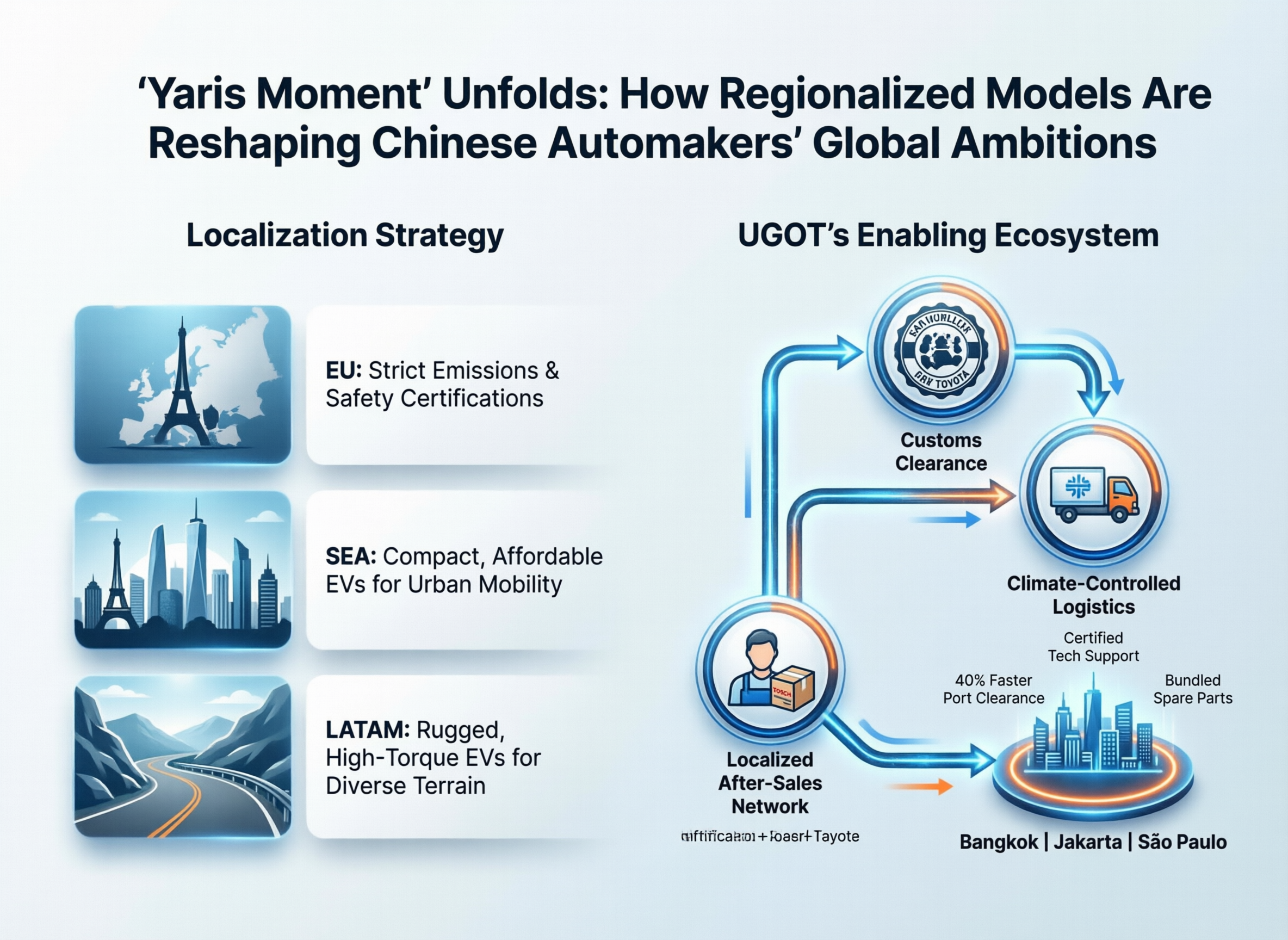
Chinese automakers are prioritizing regionalization to overcome historical barriers to overseas growth. In Southeast Asia, for instance, demand for compact, affordable EVs is driven by urban congestion and government incentives, while Latin American markets favor rugged, high-torque models suited to varied terrain. Europe, with its stringent emissions standards, requires advanced battery technologies and safety certifications. This necessitates more than superficial tweaks; it demands holistic localization encompassing product design, supply chain resilience, and after-sales ecosystems. Companies like BYD and Changan are investing heavily in R&D centers abroad to co-create vehicles with local partners, ensuring compliance and cultural relevance. Crucially, this trend extends beyond passenger cars to include electric two-wheelers and light commercial vehicles, where demand is exploding in emerging economies. Data shows Southeast Asia’s EV market could grow by 30% annually through 2030, making it a critical battleground. However, challenges persist: fragmented regulations, logistics bottlenecks, and after-sales gaps threaten to slow momentum. Success hinges on agile, integrated solutions that bridge these divides.
Enabling Seamless Global Expansion
Navigating this complexity requires specialized partners who understand regional nuances. This is where UGOT emerges as a strategic enabler. Leveraging its established infrastructure across Southeast Asia and Latin America—including partnerships with authorized distributors for brands like BYD and Changan—UGOT offers end-to-end export services tailored to regionalized vehicle rollouts. Its core strength lies in a unified platform that streamlines customs clearance, provides adaptive logistics (such as climate-controlled transport for battery integrity), and deploys localized after-sales networks with certified technicians. For example, in Thailand, UGOT’s rapid clearance protocols reduce port delays by 40%, while its bundled service packages integrate Bosch and Toyota-certified spare parts to ensure reliability. Complementing this, UGOT’s portfolio of electric motorcycles and light EVs fills critical gaps in urban mobility strategies, allowing automakers to offer cohesive solutions—like pairing passenger EVs with last-mile delivery scooters in Jakarta or São Paulo. This holistic approach transforms localization from a cost center into a growth accelerator, ensuring Chinese brands maintain quality and trust while scaling rapidly.
Conclusion: The Road Ahead
As Chinese automakers solidify their global footprint, the ‘Yaris Moment’ will evolve into a sustained era of hyper-localized innovation. Markets like Southeast Asia and Latin America will remain focal points, with EVs driving the next wave of adoption. UGOT is positioned at the forefront of this transformation, not as a vendor but as a catalyst for sustainable expansion. By de-risking market entry and enhancing customer lifetime value through seamless operations, UGOT empowers automakers to focus on core innovation while building enduring brand loyalty. The future belongs to those who master localization—and with partners like UGOT, the journey from regional ambition to global leadership becomes not just possible, but inevitable.
Related Posts
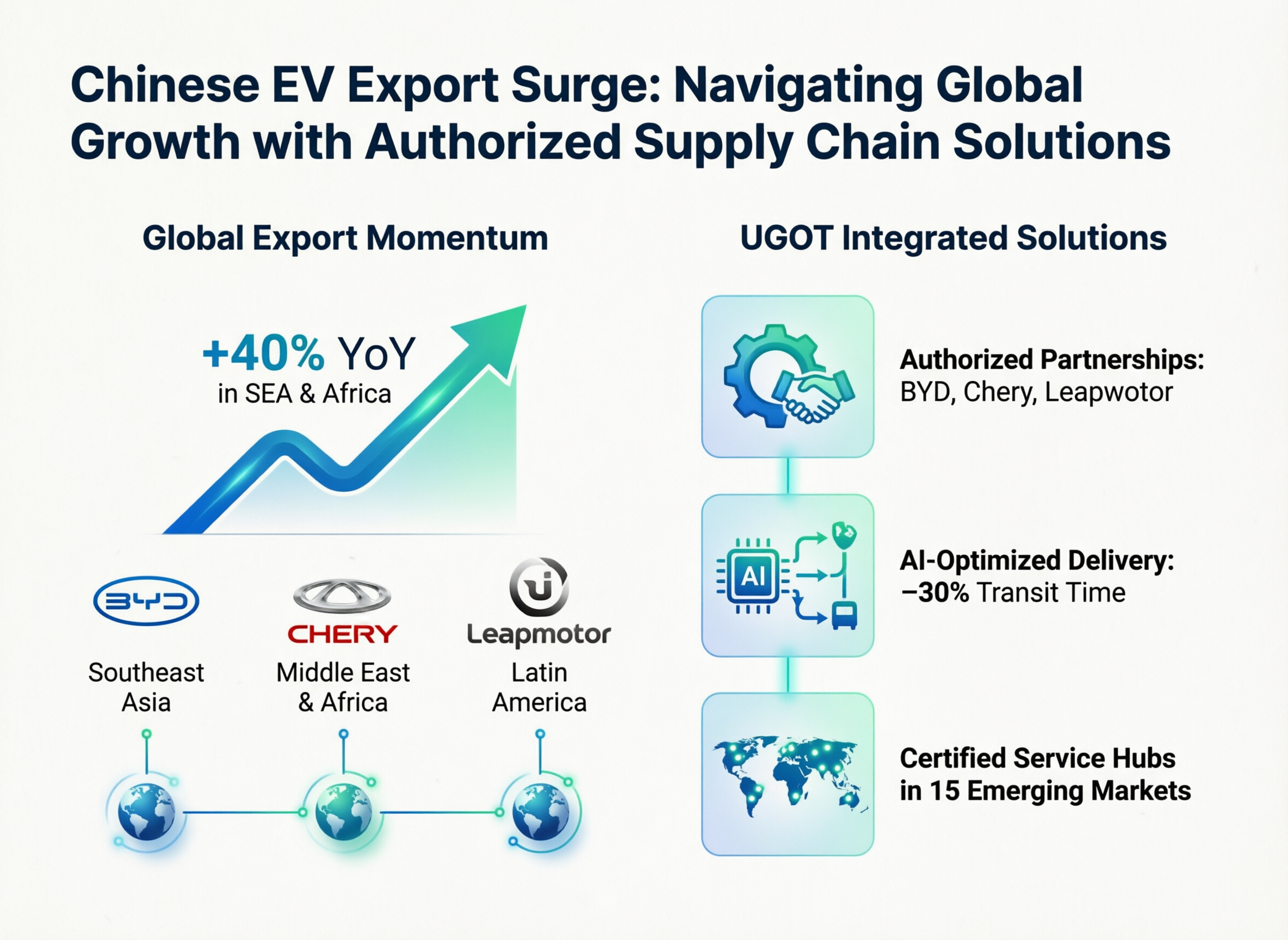 Chinese EV Export Surge: Navigating Global Growth with Authorized Supply Chain Solutions
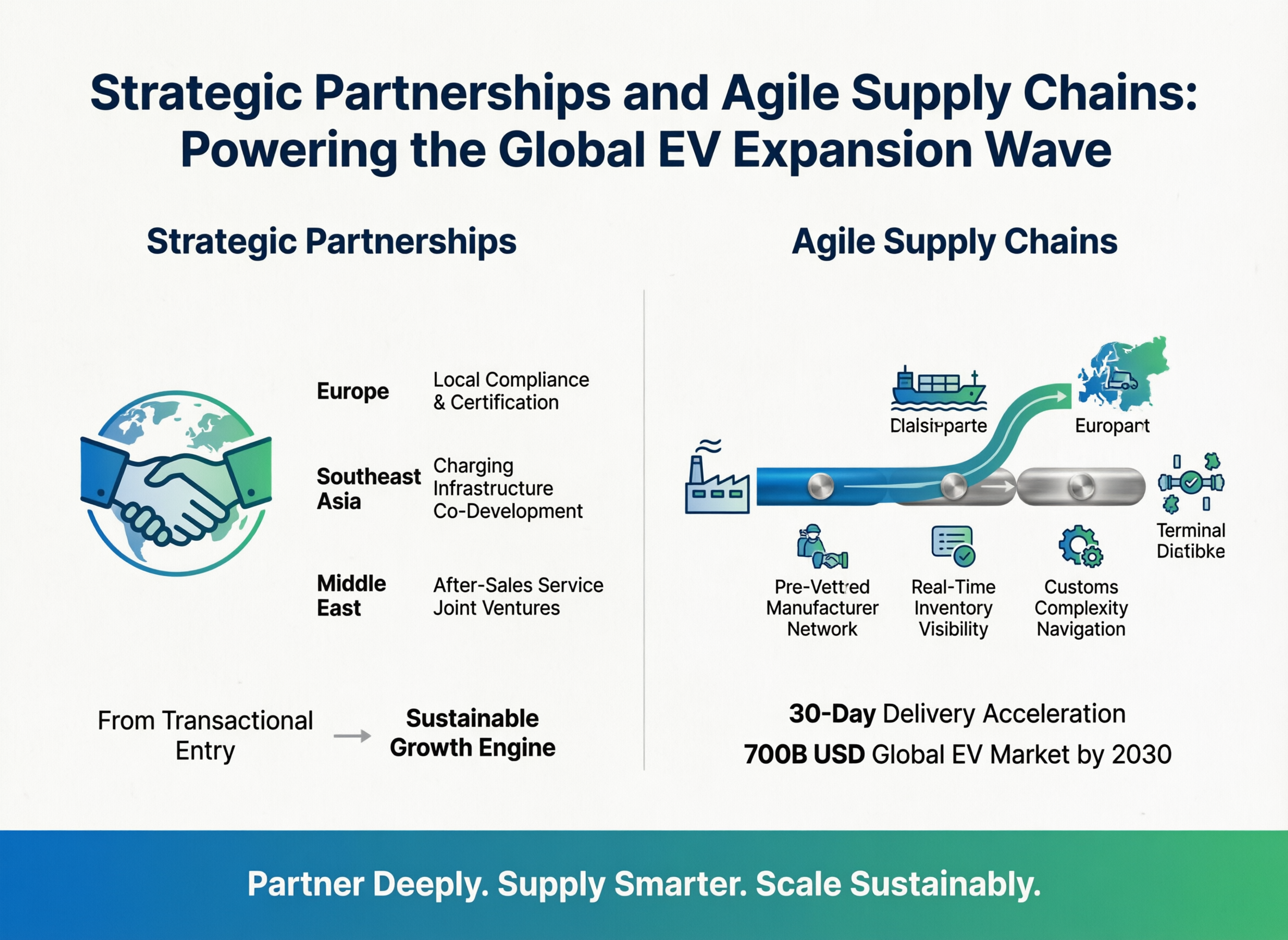 Strategic Partnerships and Agile Supply Chains: Powering the Global EV Expansion Wave
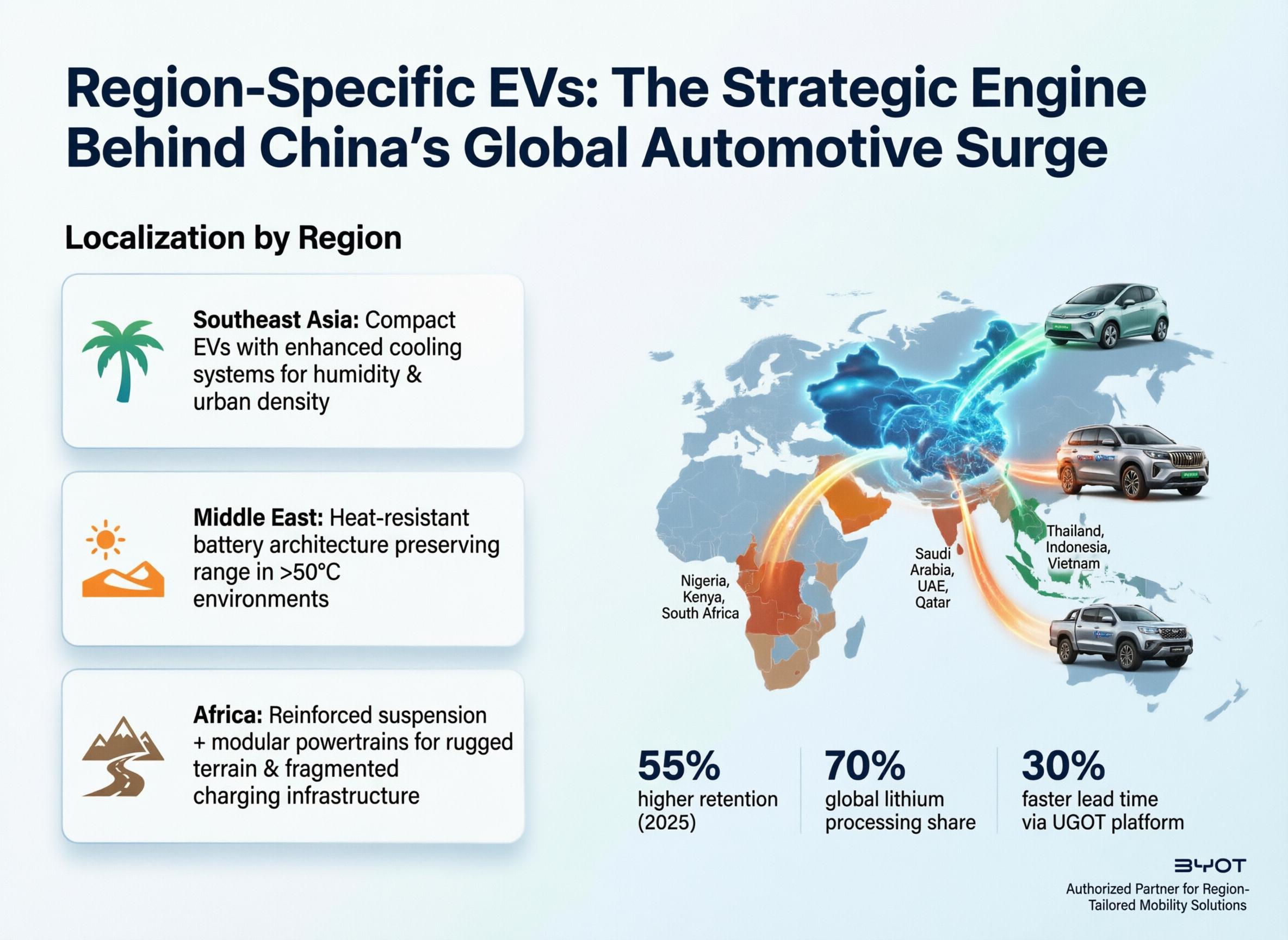 Region-Specific EVs: The Strategic Engine Behind China’s Global Automotive Surge