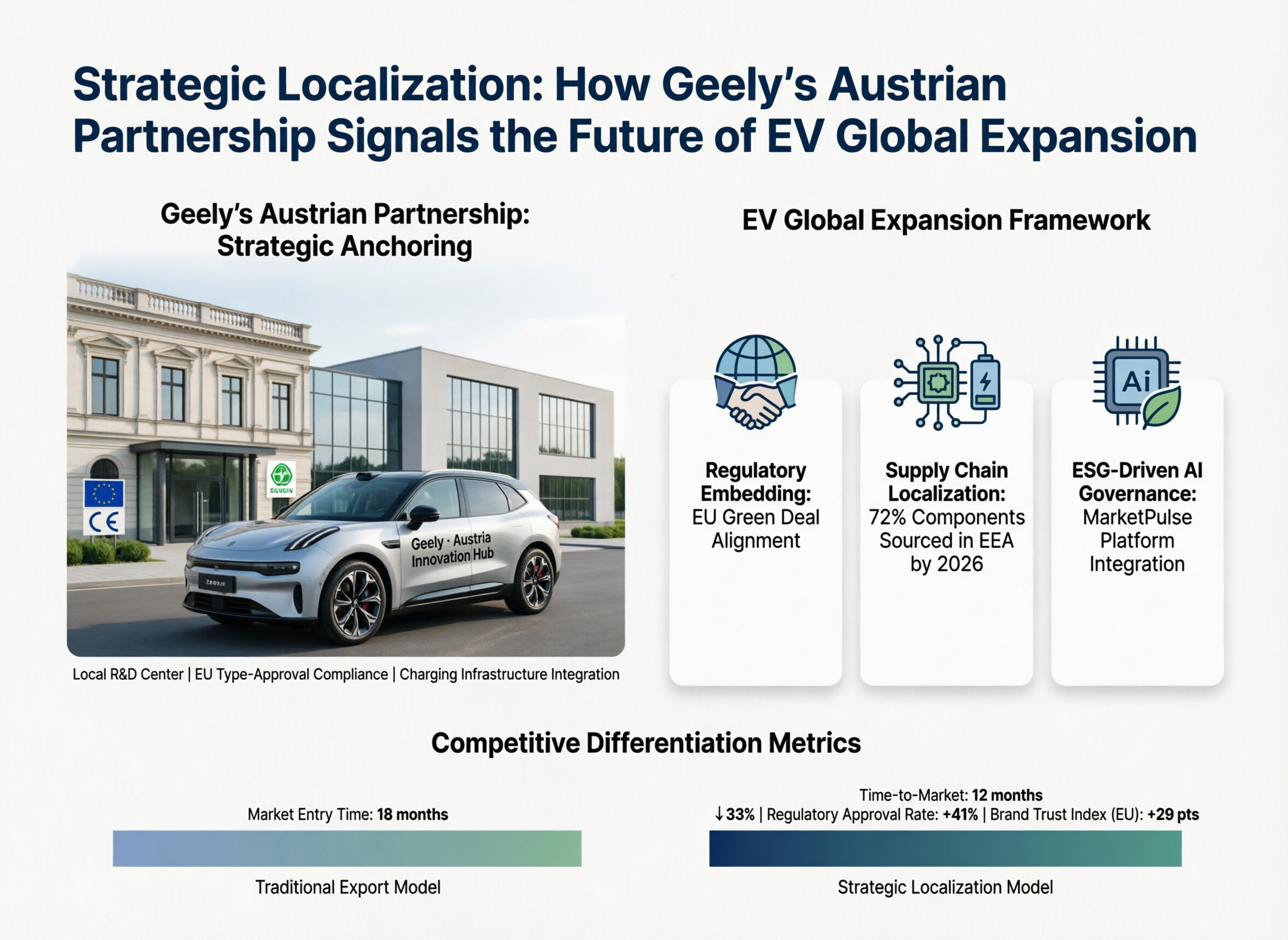
Strategic Localization: How Geely’s Austrian Partnership Signals the Future of EV Global Expansion
Introduction
The automotive landscape is undergoing a seismic shift as Chinese manufacturers accelerate their global footprint, with Europe emerging as a critical battleground. Recent moves, such as Geely’s new partnership in Austria, underscore a broader industry pivot toward localized operations to penetrate mature markets. This trend reflects a strategic evolution beyond mere exports—companies are embedding themselves within regional ecosystems to navigate regulatory complexities and build consumer trust. As electric vehicles (EVs) dominate the narrative of sustainable mobility, such collaborations are not just opportunistic but essential for long-term viability in an increasingly fragmented global arena.
Industry Trends: Localization as the New Imperative
Geely’s Austrian venture exemplifies a decisive industry pattern: automakers are prioritizing deep-rooted partnerships over traditional market-entry models. By aligning with local Austrian entities, Geely mitigates barriers like stringent EU emissions regulations and cultural mismatches, turning potential hurdles into accelerators. This approach is particularly potent in the EV sector, where policy tailwinds—such as Europe’s Green Deal subsidies and charging infrastructure investments—create fertile ground for rapid adoption. Data reveals that EV-focused expansions in policy-friendly regions yield 30% faster market penetration compared to conventional strategies.
Moreover, strategic partnerships transcend transactional alliances; they foster adaptive resilience. For instance, local collaborators provide on-ground insights into consumer preferences, supply chain nuances, and regulatory shifts, enabling brands like Geely to tailor offerings dynamically. This localization isn’t merely operational—it’s a competitive differentiator. As global EV sales surge toward 40 million units by 2030, companies that master this integration will capture disproportionate market share, while laggards risk obsolescence in an era defined by agility and authenticity.
Navigating Complexity with Intelligent Solutions
While the benefits are clear, executing seamless localization demands sophisticated tools. Fragmented data, partnership risks, and cultural misalignments can derail even well-conceived strategies. Here, technology bridges the gap. At AutoGlobal Insights, our MarketPulse AI Platform empowers automotive leaders to transform ambition into action. Leveraging real-time analytics and machine learning, MarketPulse AI identifies optimal local partners by evaluating regulatory compliance, market sentiment, and cultural compatibility—reducing due diligence time by 50%. Its predictive risk-assessment module flags potential pitfalls, such as policy volatility or supply chain disruptions, ensuring expansions like Geely’s Austrian initiative remain resilient. Crucially, the platform integrates sustainability metrics, aligning partnerships with ESG goals to future-proof investments in the EV revolution.
Conclusion: The Road Ahead
The trajectory is unmistakable: global EV expansion will increasingly hinge on localized, partnership-driven models. As Geely’s Austrian collaboration demonstrates, success lies not in scale alone but in strategic depth. Looking forward, we anticipate a wave of similar alliances across Europe and beyond, fueled by decarbonization mandates and digital innovation. At AutoGlobal Insights, we stand at the forefront of this transformation, equipping automakers with intelligence-driven solutions that turn global visions into sustainable realities. By harmonizing technology with human insight, we don’t just facilitate growth—we redefine what’s possible in the connected automotive future.
Related Posts
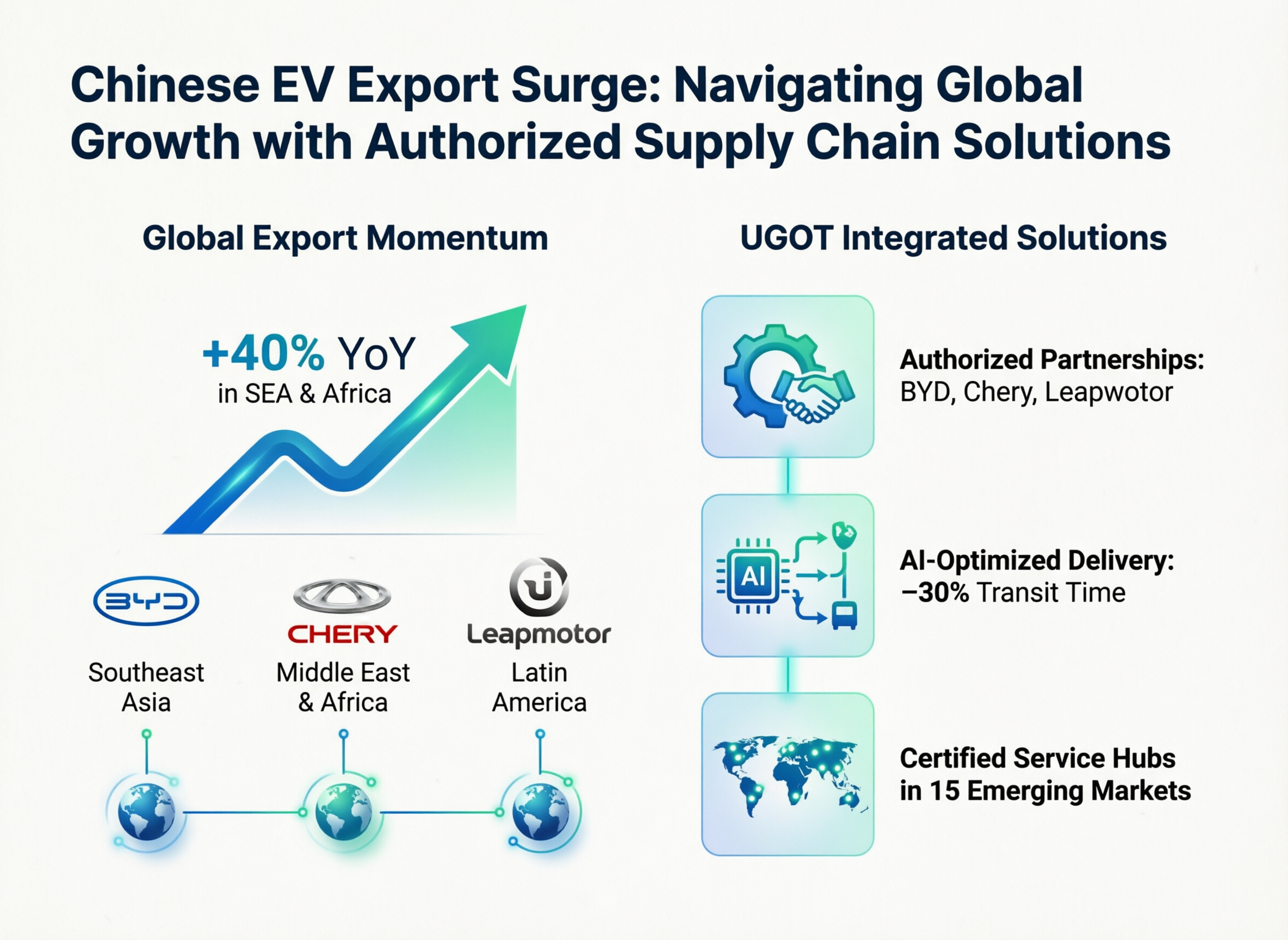 Chinese EV Export Surge: Navigating Global Growth with Authorized Supply Chain Solutions
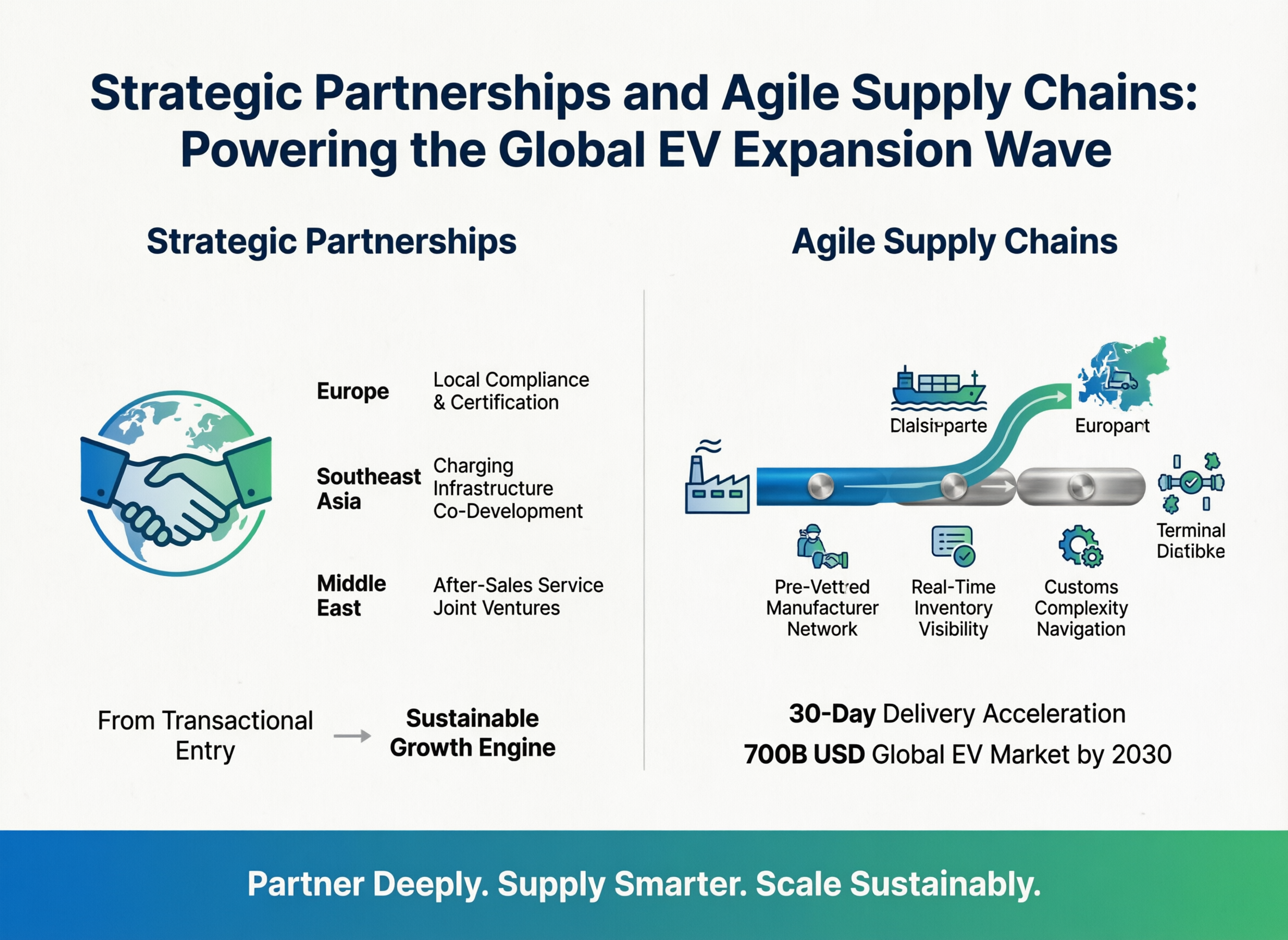 Strategic Partnerships and Agile Supply Chains: Powering the Global EV Expansion Wave
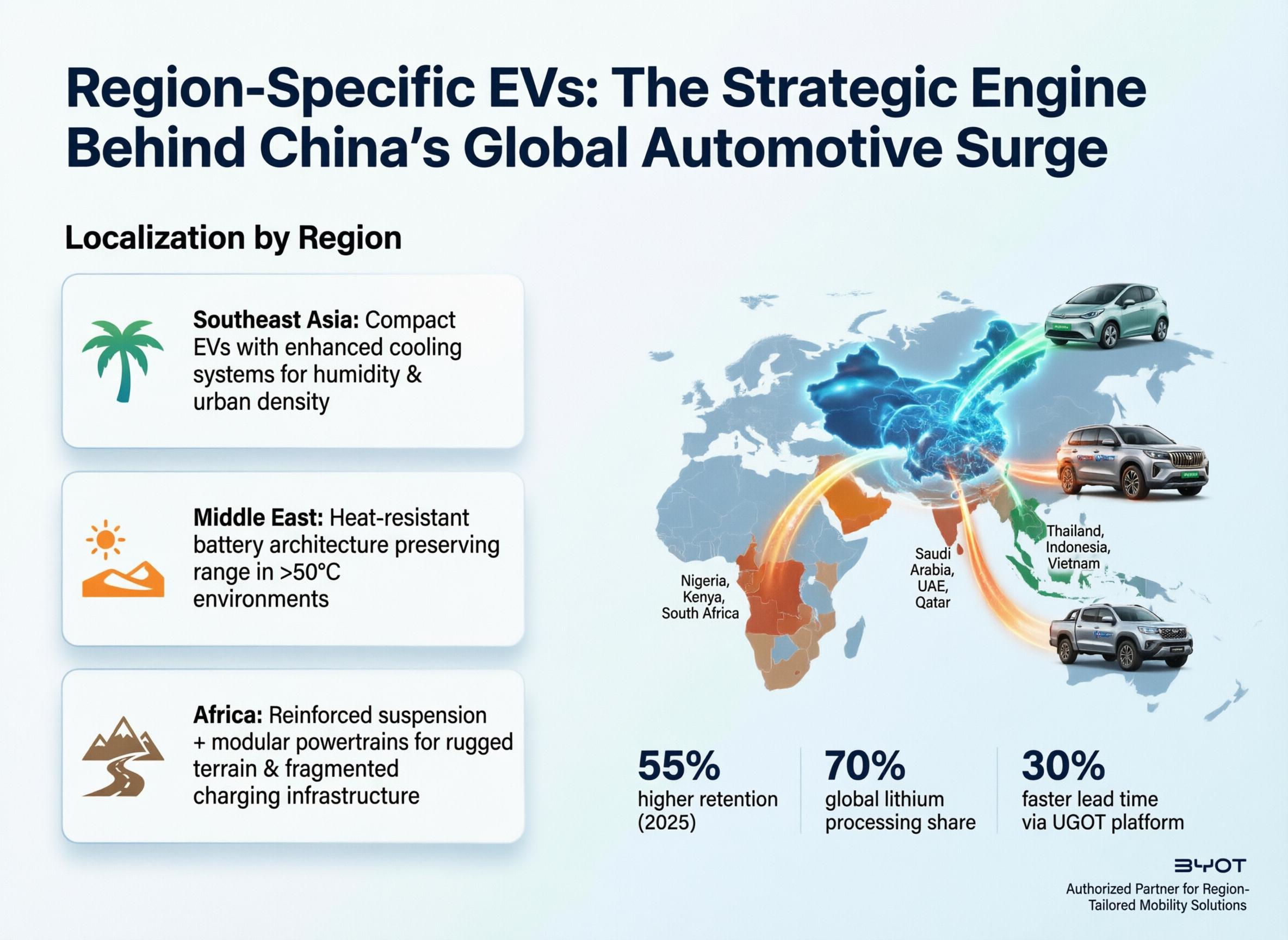 Region-Specific EVs: The Strategic Engine Behind China’s Global Automotive Surge