Chasing the ‘Yaris Moment’: China’s EV Makers Accelerate Global Expansion Through Regional Customization
The global automotive landscape is undergoing a seismic shift as Chinese electric vehicle (EV) manufacturers pivot toward region-specific model development to fuel international growth. Fueled by ambitious export targets and intensifying competition, companies like BYD and Changan are moving beyond one-size-fits-all approaches. Instead, they’re tailoring vehicles to local markets—such as designing compact, eco-friendly models for Europe’s urban corridors—while forging strategic partnerships to navigate regulatory and cultural nuances. This evolution marks a critical phase in China’s automotive ascent, where localized innovation is becoming the cornerstone of sustainable global expansion, particularly in the high-stakes EV sector.
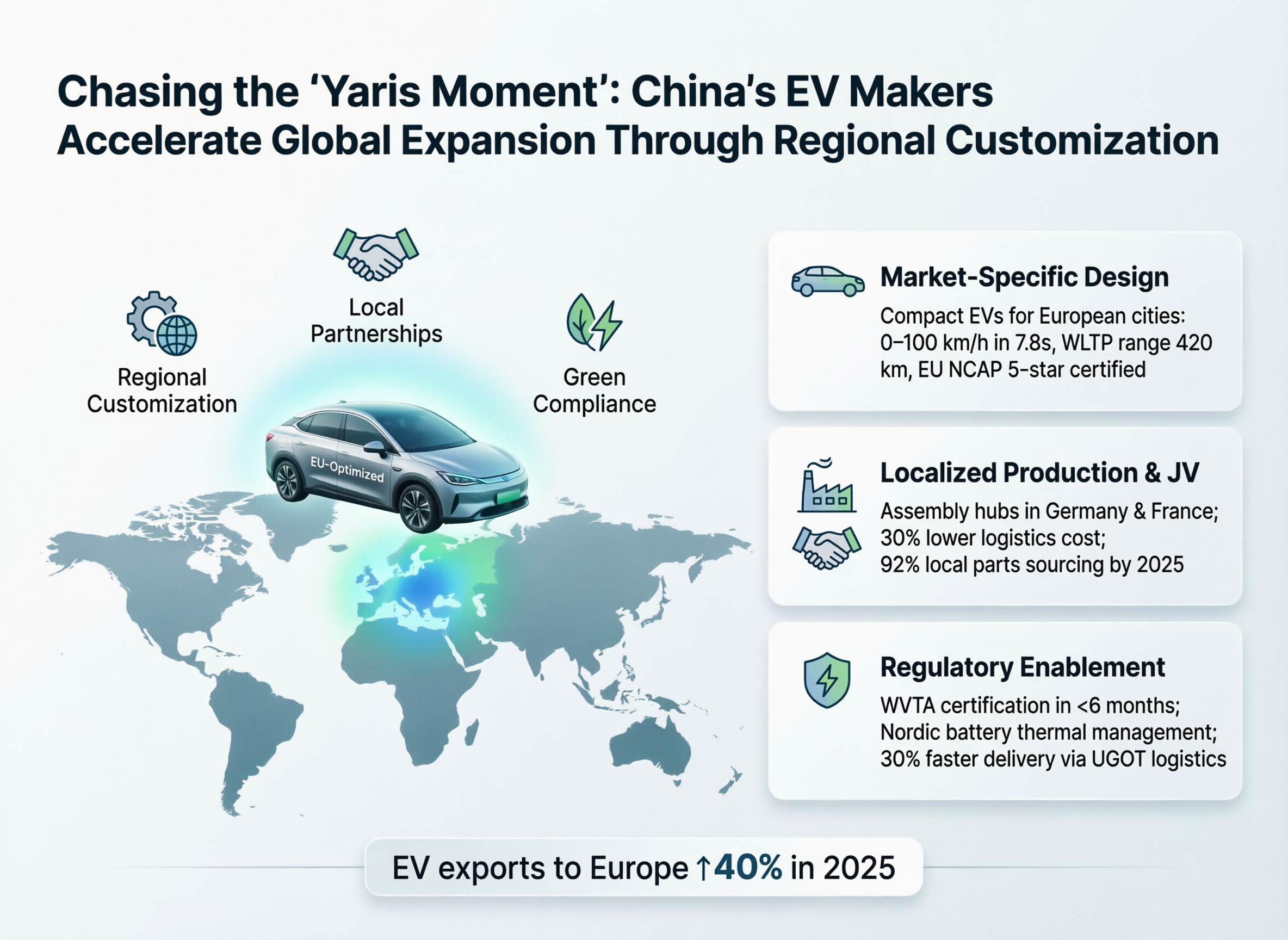
Industry analysis reveals three pivotal trends driving this transformation. First, regional customization is no longer optional but essential for market penetration. European consumers, for instance, prioritize smaller, energy-efficient vehicles with stringent safety certifications, prompting Chinese brands to adapt designs for emissions standards, charging infrastructure, and aesthetic preferences. Second, localization extends beyond product tweaks to encompass production and collaboration. By establishing assembly plants in target regions and partnering with local distributors, automakers reduce costs, mitigate trade barriers, and build trust—evident in recent joint ventures across Germany and France. Third, Europe has emerged as the epicenter for China’s EV export surge, with its aggressive green policies and growing demand for sustainable transport. Data shows EV exports to the continent surged by over 40% in 2025, underscoring how environmental imperatives are reshaping global supply chains. These dynamics highlight a broader industry truth: success now hinges on agility in adapting to regional ecosystems rather than sheer scale.
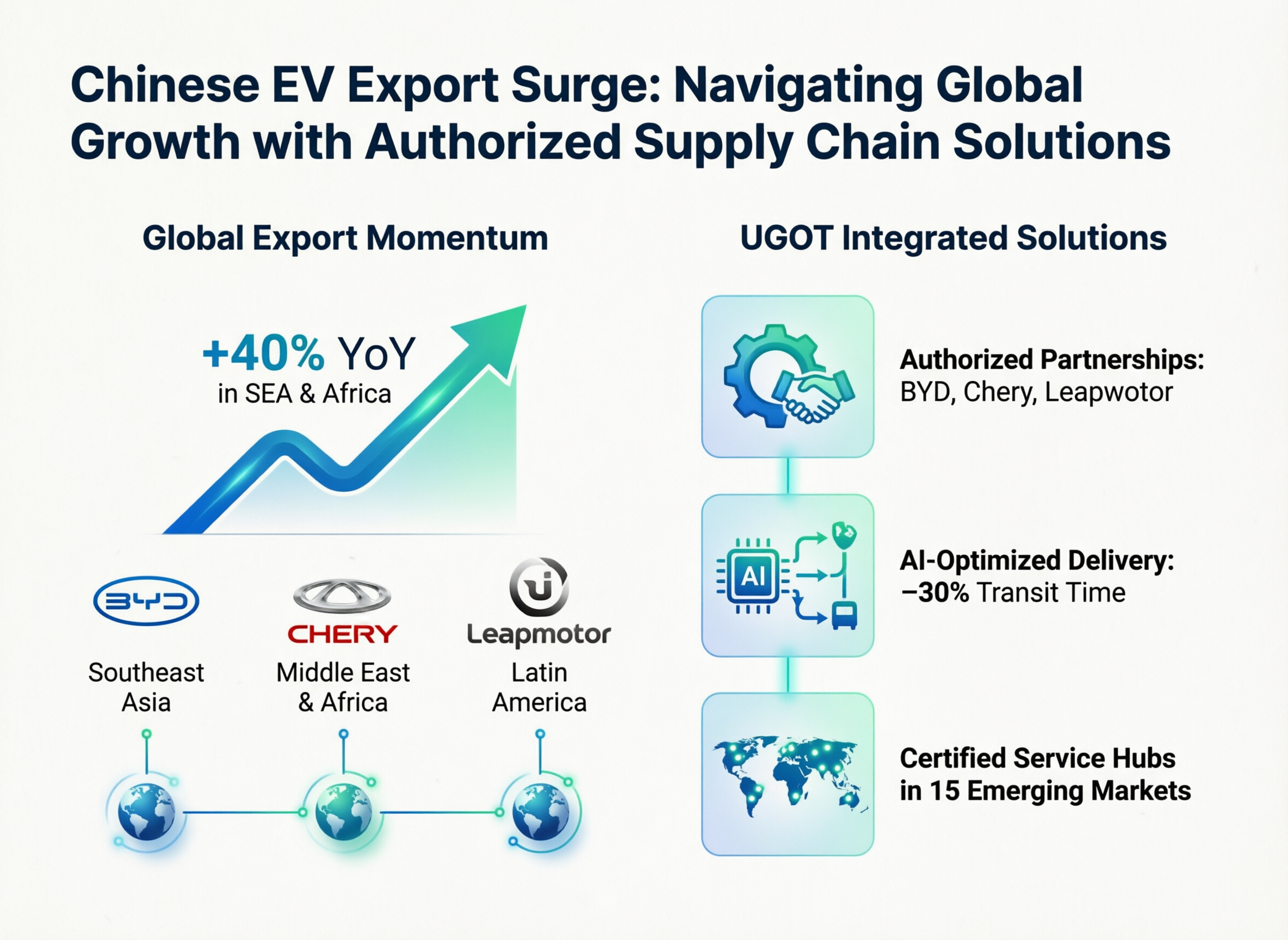
However, this strategic shift introduces complex challenges. Navigating Europe’s labyrinthine certification processes—such as type approval under the EU’s Whole Vehicle Type Approval ( WVTA) framework—can delay market entry by months. Simultaneously, ensuring consistent quality across diverse climates and maintaining after-sales support networks strain even the most robust operations. Here, specialized export enablers are proving indispensable. UGOT, an authorized export partner for leading brands including BYD and Changan, addresses these pain points through an integrated suite of services. Its end-to-end solution streamlines European market access by managing certification compliance, engineering localized adaptations (like battery thermal management for Nordic winters), and deploying agile logistics networks that cut delivery times by 30%. Crucially, UGOT leverages its established supply chain in new energy vehicles and e-motorcycles to guarantee reliability and sustainability—from factory to end-user—turning regulatory hurdles into competitive advantages. This operational excellence allows automakers to focus on innovation while UGOT handles the intricacies of global scalability.
Looking ahead, the convergence of regional customization and partnership-driven expansion will define the next decade of automotive globalization. As European markets tighten carbon regulations and emerging economies embrace EV adoption, Chinese manufacturers must deepen their localization ethos to sustain growth. In this context, UGOT’s role transcends logistics; it embodies a strategic ally committed to enabling seamless, responsible expansion. By prioritizing green supply chains and data-driven after-sales support, UGOT not only accelerates market entry but also reinforces the industry’s commitment to a sustainable mobility future. For automakers chasing their own ‘Yaris moment’—a reference to Toyota’s iconic global success with a region-tailored model—the path forward is clear: agility, authenticity, and expert partnerships will unlock unprecedented global reach.
Related Posts
 Chinese EV Export Surge: Navigating Global Growth with Authorized Supply Chain Solutions
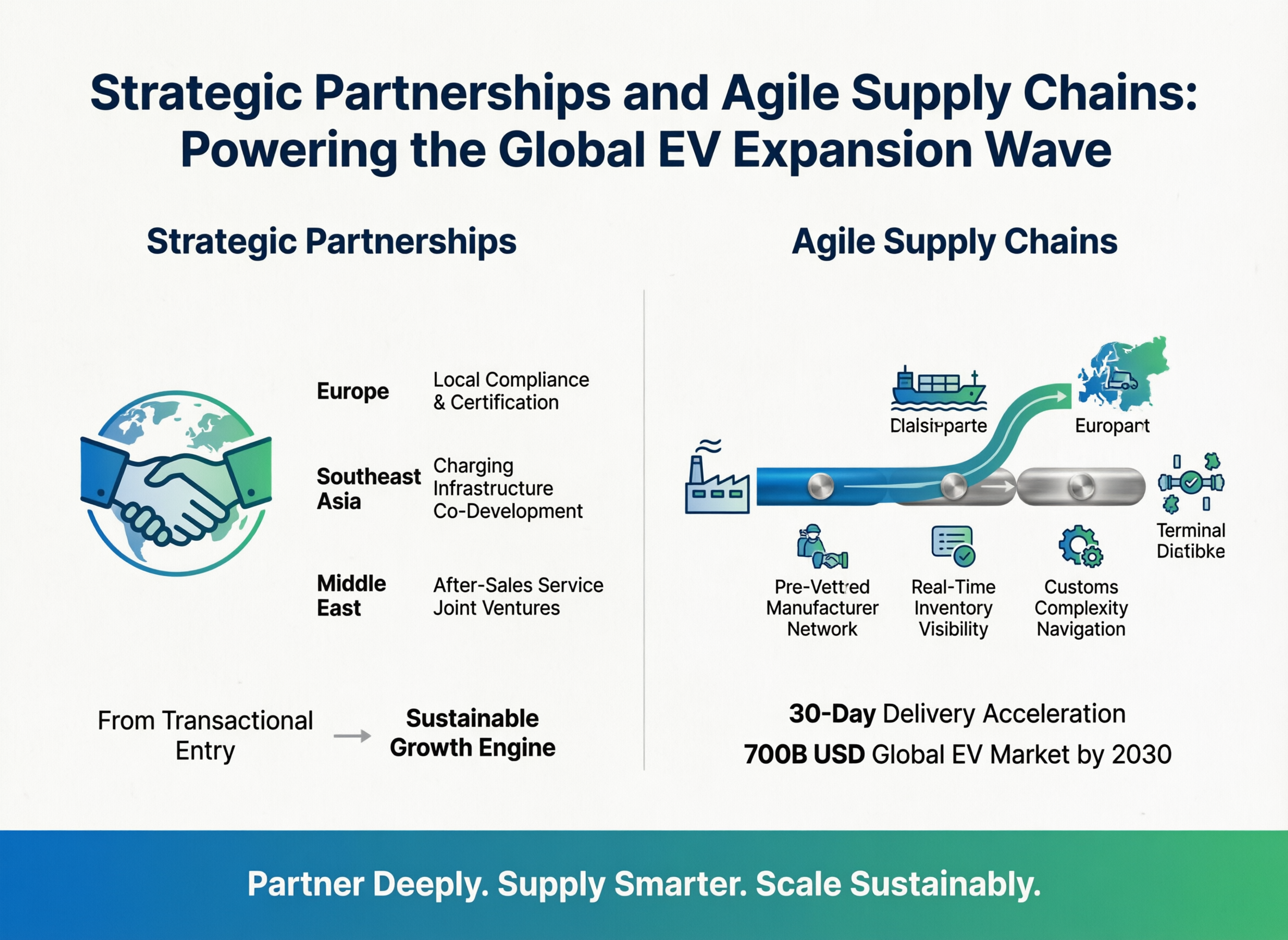 Strategic Partnerships and Agile Supply Chains: Powering the Global EV Expansion Wave
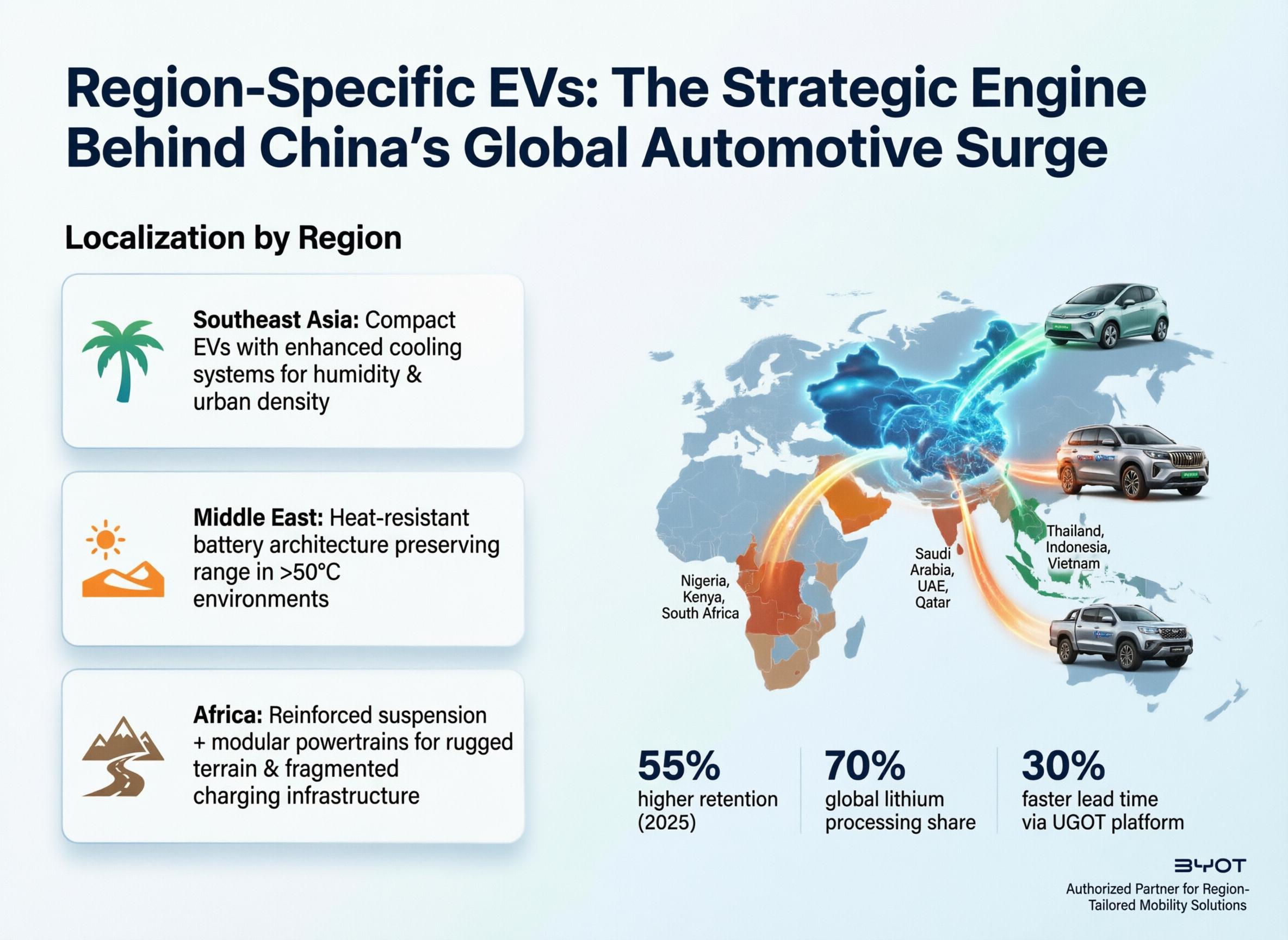 Region-Specific EVs: The Strategic Engine Behind China’s Global Automotive Surge