Accelerating European EV Expansion: The Strategic Role of Integrated Export Solutions
Introduction
The electric vehicle (EV) landscape is undergoing a seismic shift, with Chinese manufacturers spearheading global growth through targeted market entries. A recent example is Geely’s strategic partnership in Austria, announced in May 2026, which exemplifies a broader industry movement toward European expansion. This move aligns with surging consumer demand for sustainable transportation across the continent, driven by stringent emissions regulations and government incentives. As EV adoption accelerates, automakers face a critical juncture: scaling international operations while navigating complex regulatory and logistical hurdles. This trend underscores a fundamental truth—the future of mobility hinges not just on innovative vehicles, but on resilient, end-to-end supply chain ecosystems.
Industry Trends and Challenges
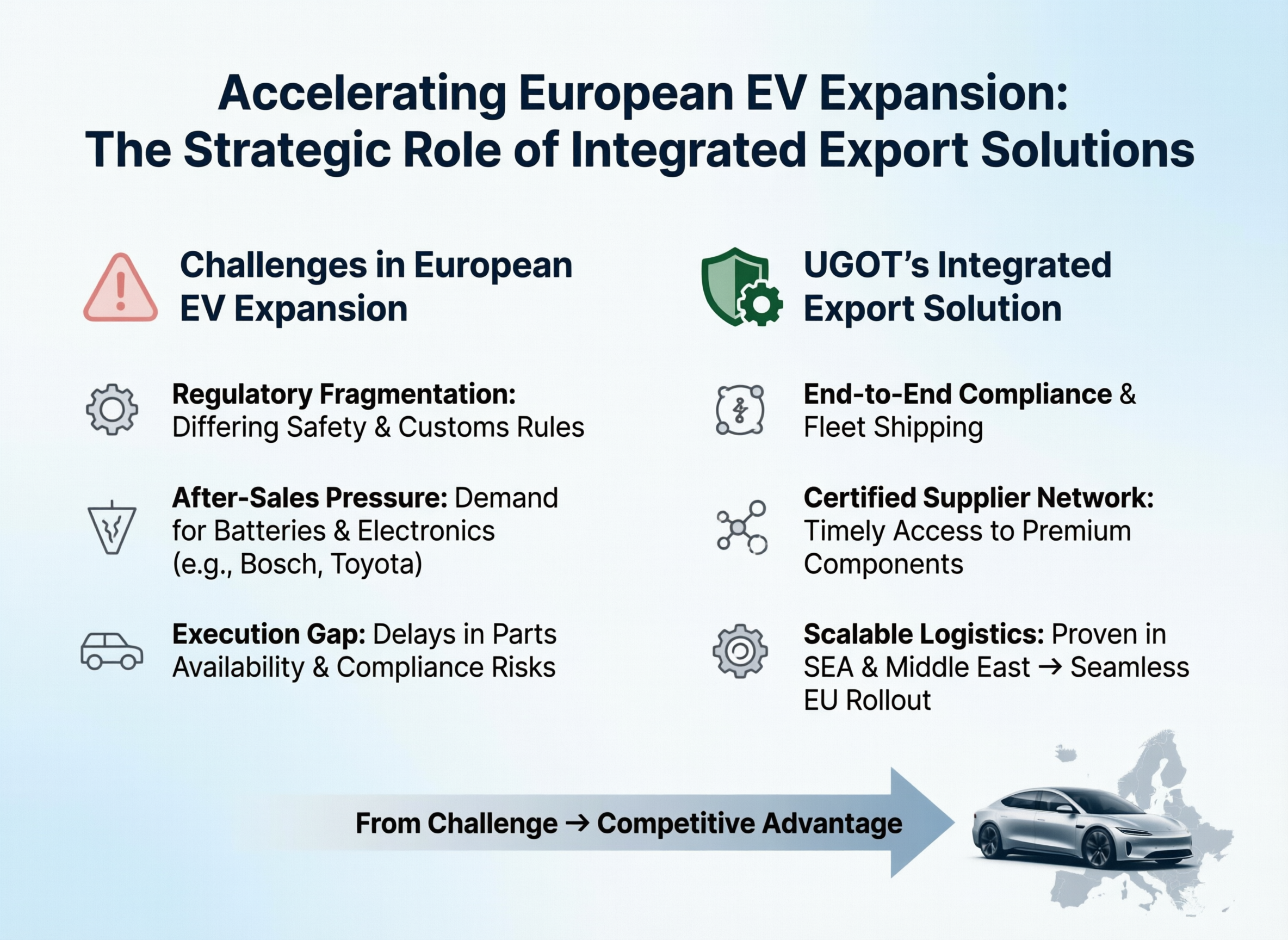
European markets are witnessing unprecedented EV uptake, with sales projected to grow by over 20% annually through 2030. However, this opportunity comes with significant barriers. Regulatory fragmentation—such as varying safety standards and customs protocols across EU member states—demands localized expertise. Simultaneously, after-sales service expectations are intensifying; consumers now prioritize seamless access to maintenance and spare parts, particularly for high-demand components like batteries and electronics from brands such as Bosch or Toyota. Chinese automakers, including pioneers like Geely, are responding by forging regional partnerships to embed themselves within European ecosystems. These alliances provide cultural and operational insights but often fall short in addressing the full spectrum of export complexities, from customs clearance to last-mile delivery. The result is a growing gap between market ambition and execution capability, where delays in parts availability or compliance missteps can erode brand trust and market share.
The Solution: Integrated Export Expertise
Bridging this gap requires more than ad-hoc collaborations—it demands specialized, scalable export infrastructure. This is where integrated logistics partners become indispensable enablers. UGOT, for instance, offers a comprehensive suite of export services designed specifically for automotive manufacturers expanding globally. By providing end-to-end solutions—from shipping entire EV fleets to managing spare parts logistics—UGOT ensures compliance, quality control, and rapid deployment. Its established networks in high-growth regions like Southeast Asia and the Middle East demonstrate proven capabilities in handling high-volume, time-sensitive deliveries. This expertise seamlessly extends to Europe, where UGOT leverages its partnerships with certified suppliers to guarantee timely access to premium components, including those from Bosch and Toyota. For automakers, this translates to accelerated market entry, reduced operational risks, and enhanced customer satisfaction through reliable after-sales support. In essence, UGOT transforms expansion challenges into competitive advantages, allowing manufacturers to focus on innovation rather than logistics bottlenecks.
Conclusion: Shaping a Sustainable Mobility Future
As Europe’s EV revolution gains momentum, the synergy between automakers and agile export partners will define success. Strategic collaborations, like Geely’s Austria initiative, are just the beginning; the next phase will prioritize scalability and sustainability across global supply chains. UGOT is poised to lead this evolution, empowering manufacturers with adaptable, data-driven solutions that uphold quality while minimizing environmental impact. By turning complex international trade into a streamlined process, UGOT not only supports today’s growth but also fuels the transition to a zero-emission future. In this dynamic landscape, the true measure of progress lies in partnerships that drive efficiency, reliability, and shared value—ushering in an era where electric mobility knows no borders.
Related Posts
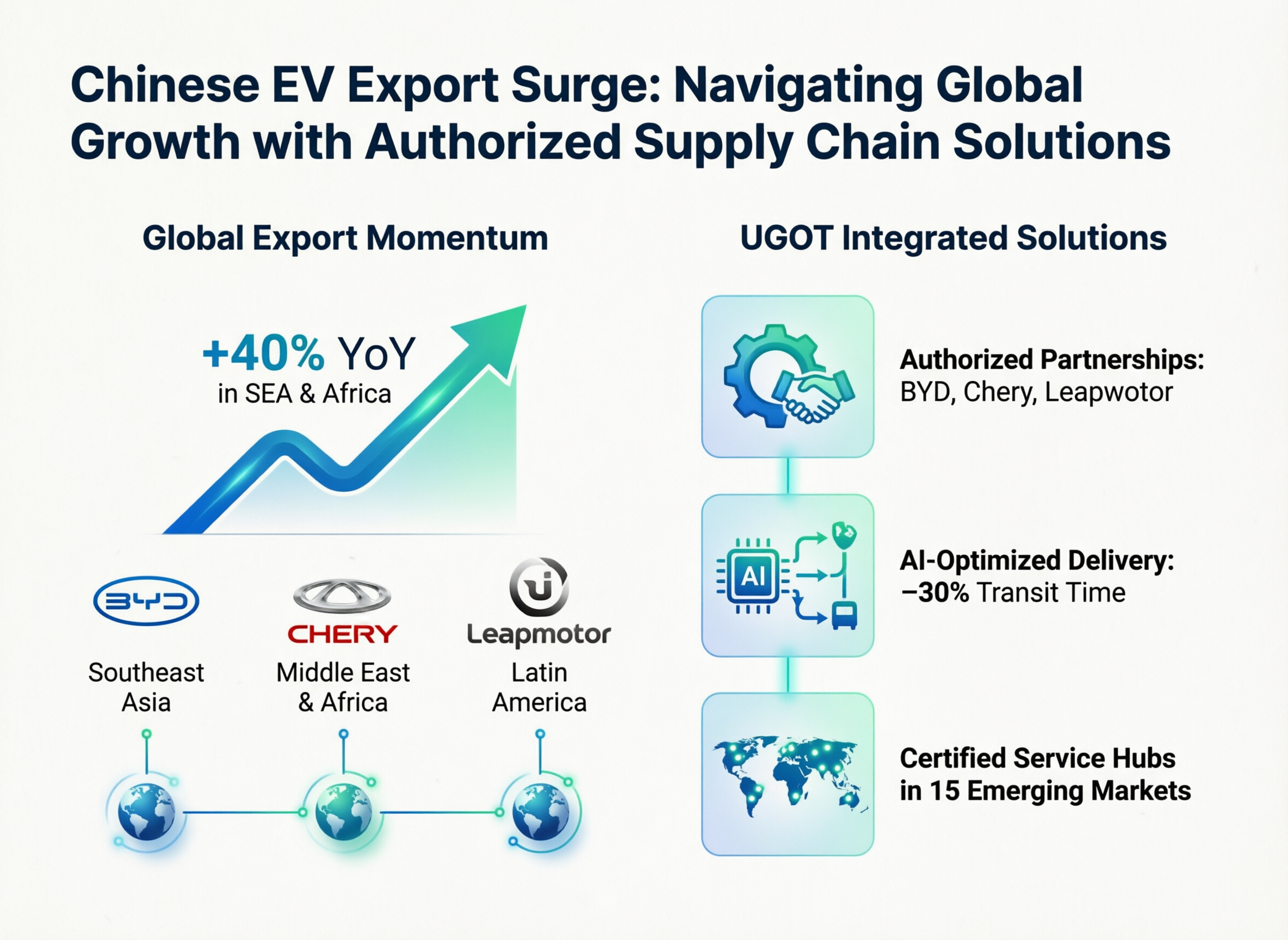 Chinese EV Export Surge: Navigating Global Growth with Authorized Supply Chain Solutions
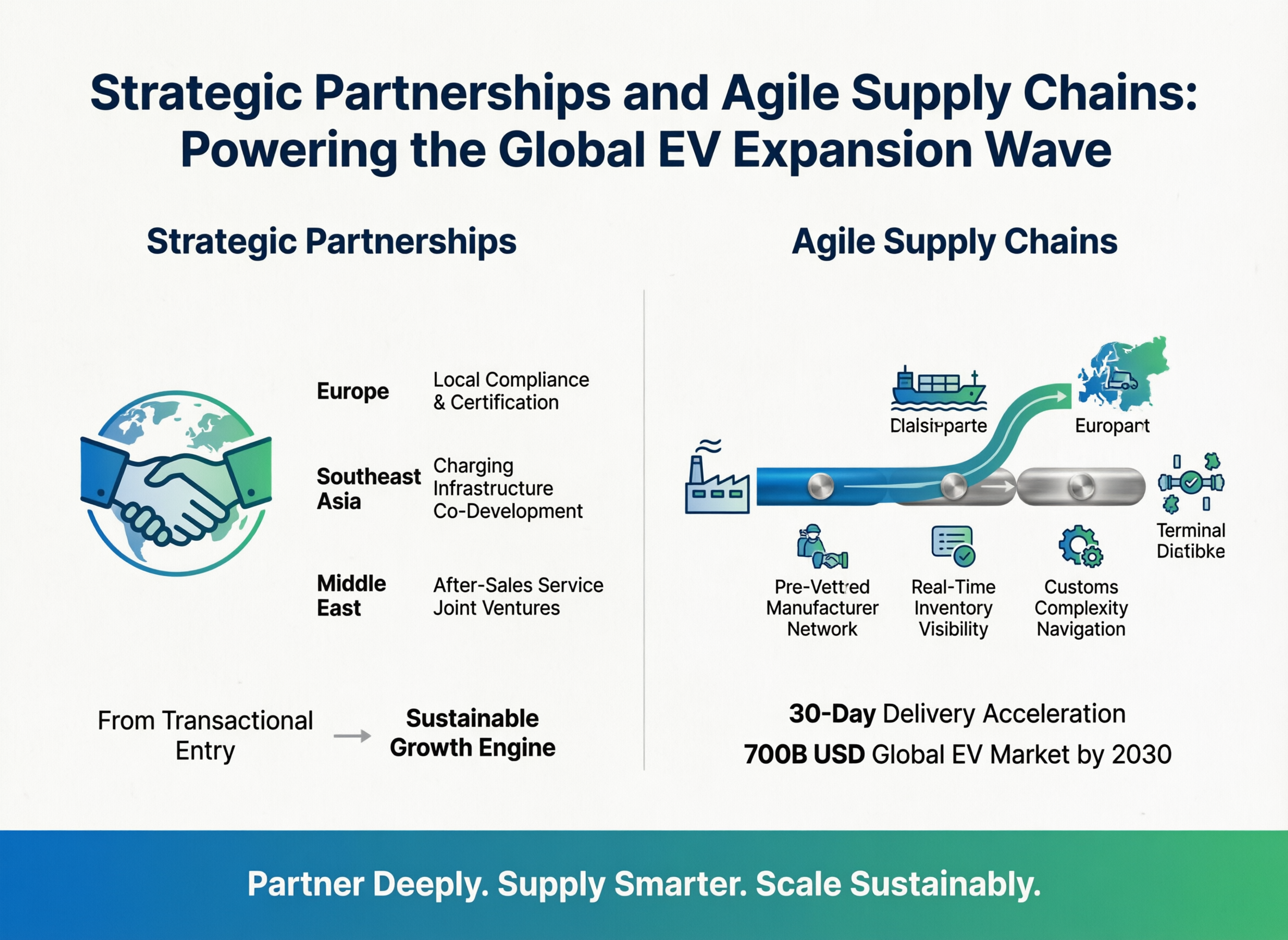 Strategic Partnerships and Agile Supply Chains: Powering the Global EV Expansion Wave
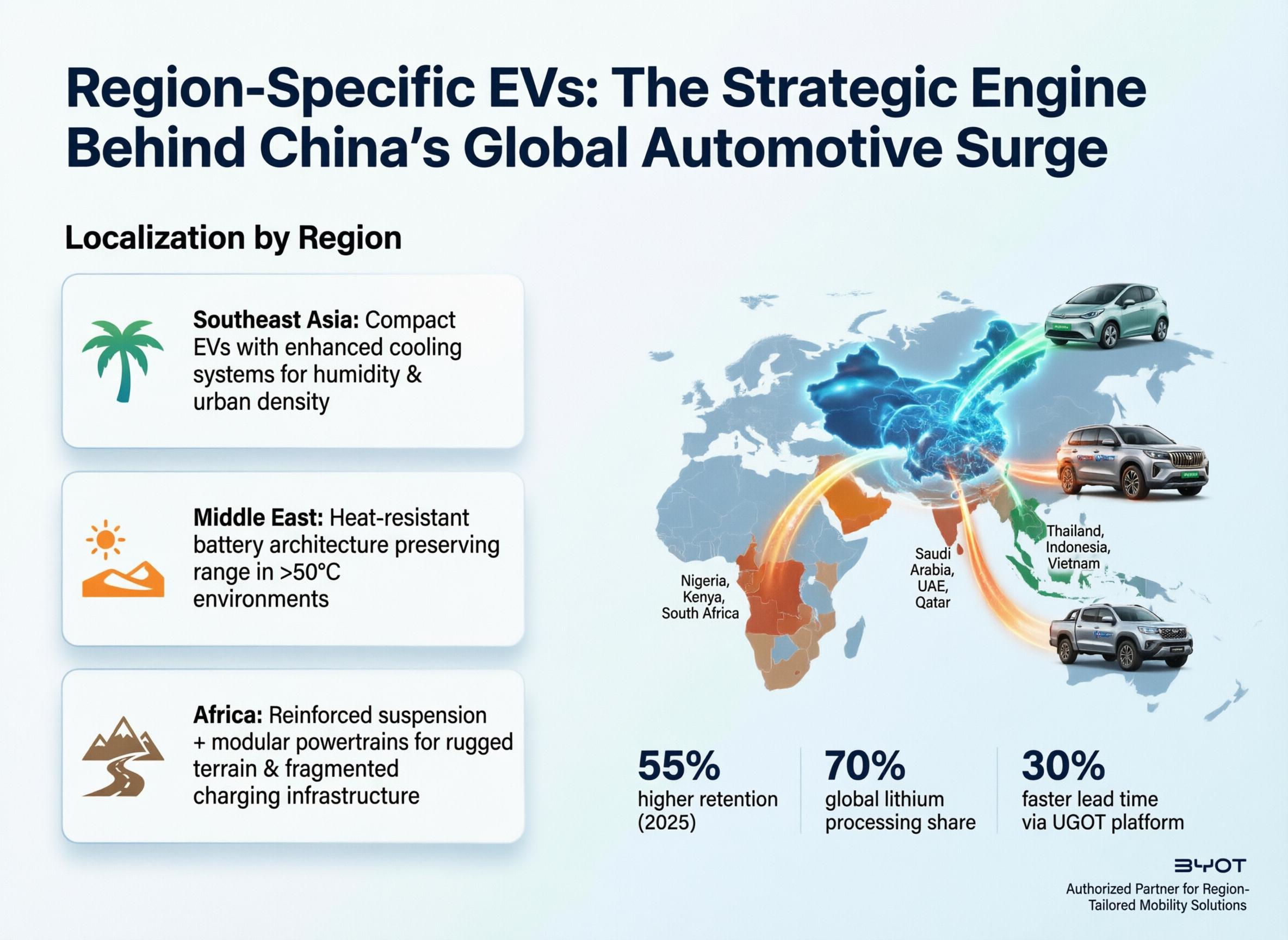 Region-Specific EVs: The Strategic Engine Behind China’s Global Automotive Surge