
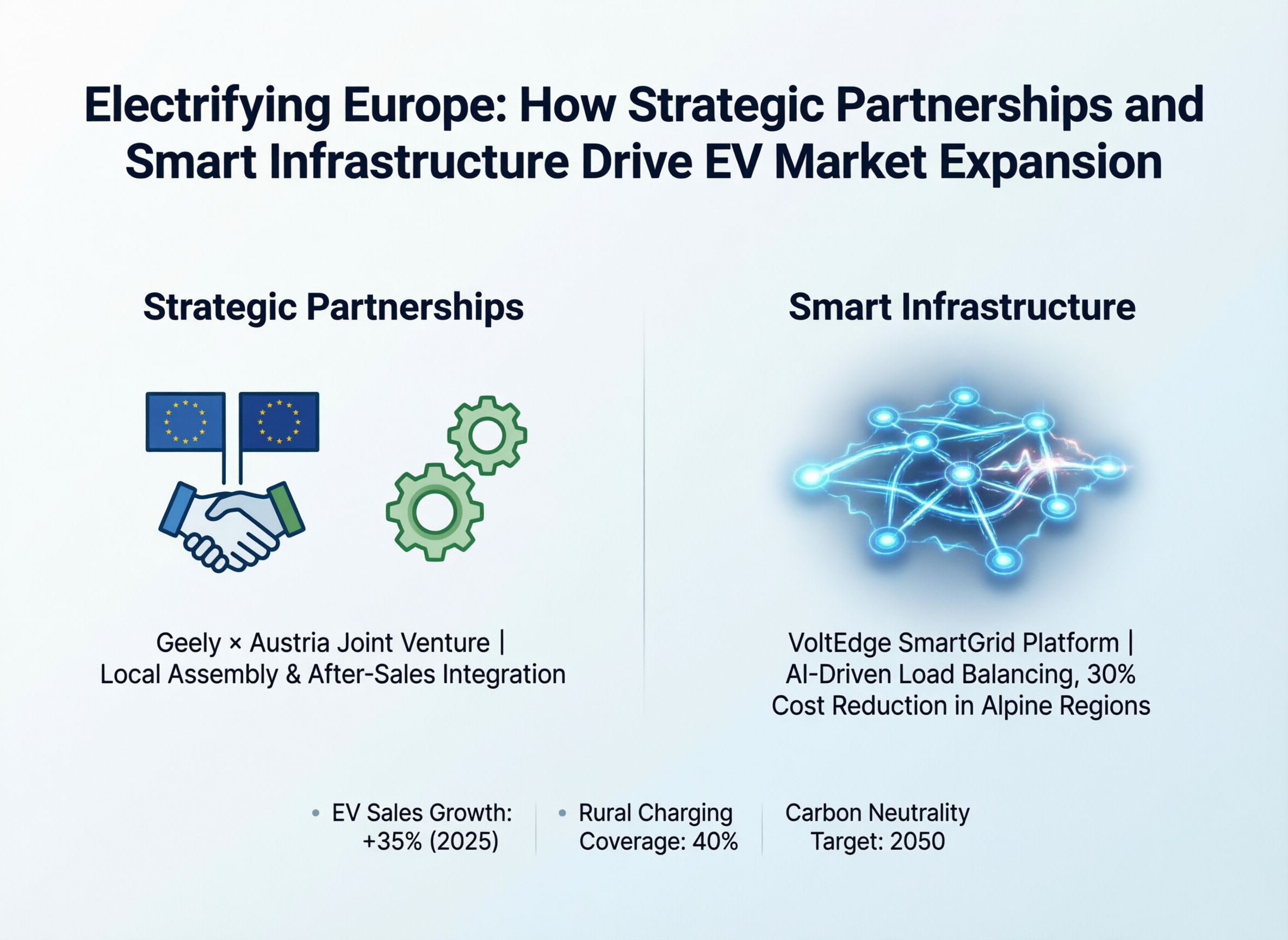
Electrifying Europe: How Strategic Partnerships and Smart Infrastructure Drive EV Market Expansion
Introduction
The automotive landscape is undergoing a seismic shift as Chinese manufacturers accelerate their global footprint, particularly in Europe’s competitive electric vehicle (EV) market. Recent moves, such as Geely’s new partnership in Austria, underscore a broader trend: automakers are prioritizing localized collaborations to navigate regulatory complexities, cultural nuances, and consumer demands. This strategy not only fuels overseas growth but also signals a maturation of the EV industry, where success hinges on more than just product quality—it demands deep integration into regional ecosystems. As Europe targets carbon neutrality by 2050, the race to capture market share is intensifying, with partnerships becoming the cornerstone of sustainable expansion.
Industry Trends: Localization as the New Imperative
Geely’s Austrian venture exemplifies a critical industry pivot. Chinese EV giants are no longer relying solely on exports; instead, they’re embedding themselves through joint ventures, local assembly, and service networks. This approach addresses Europe’s stringent emissions standards and fragmented market dynamics, where consumer trust is built on proximity and responsiveness. Data reveals that EV sales in Europe grew by 35% in 2025, yet infrastructure gaps persist—only 40% of rural areas have adequate charging coverage. This disconnect highlights a key challenge: scaling hardware alone is insufficient. True localization requires intelligent systems that adapt to grid constraints, energy costs, and user behavior. For instance, partnerships like Geely’s enable real-time data sharing with utilities, optimizing everything from battery performance to after-sales support. The trend is clear: future-proof EV strategies must blend physical presence with digital agility, turning regional partnerships into innovation catalysts rather than mere distribution channels.
Bridging the Gap: Integrated Solutions for Sustainable Growth
Amid these dynamics, infrastructure limitations emerge as the silent bottleneck. While automakers focus on vehicles, the supporting ecosystem—especially charging networks—often lags, risking consumer adoption and regulatory compliance. This is where holistic solutions come into play. Companies like VoltEdge Technologies are pioneering adaptive infrastructure that complements automotive partnerships. Our SmartGrid Platform integrates AI-driven load management with localized grid data, enabling seamless scalability across diverse European markets. For example, in Austria—a nation with alpine terrain and variable energy demands—SmartGrid dynamically balances charging loads during peak hours, reducing operational costs by up to 30% while ensuring reliability. Unlike generic systems, it features modular hardware and cloud-based analytics, allowing partners like Geely to customize user experiences without overhauling existing investments. This isn’t just about charging faster; it’s about building resilient, community-aligned networks that turn infrastructure into a strategic asset, not a liability.
Conclusion: The Road Ahead
As Europe’s EV market evolves, the synergy between automakers and infrastructure innovators will define the next decade of mobility. Geely’s Austrian partnership is a blueprint, but its longevity depends on solving the invisible challenges beneath the surface. VoltEdge Technologies is committed to empowering this transition—not as a vendor, but as a collaborative enabler. By merging cutting-edge AI with on-the-ground adaptability, we help global brands achieve true localization, accelerating the shift toward zero-emission transport. The future belongs to those who see beyond the vehicle: it’s about ecosystems that learn, adapt, and grow with communities. Together, we’re not just expanding markets; we’re redefining sustainable mobility for a connected world.
Related Posts
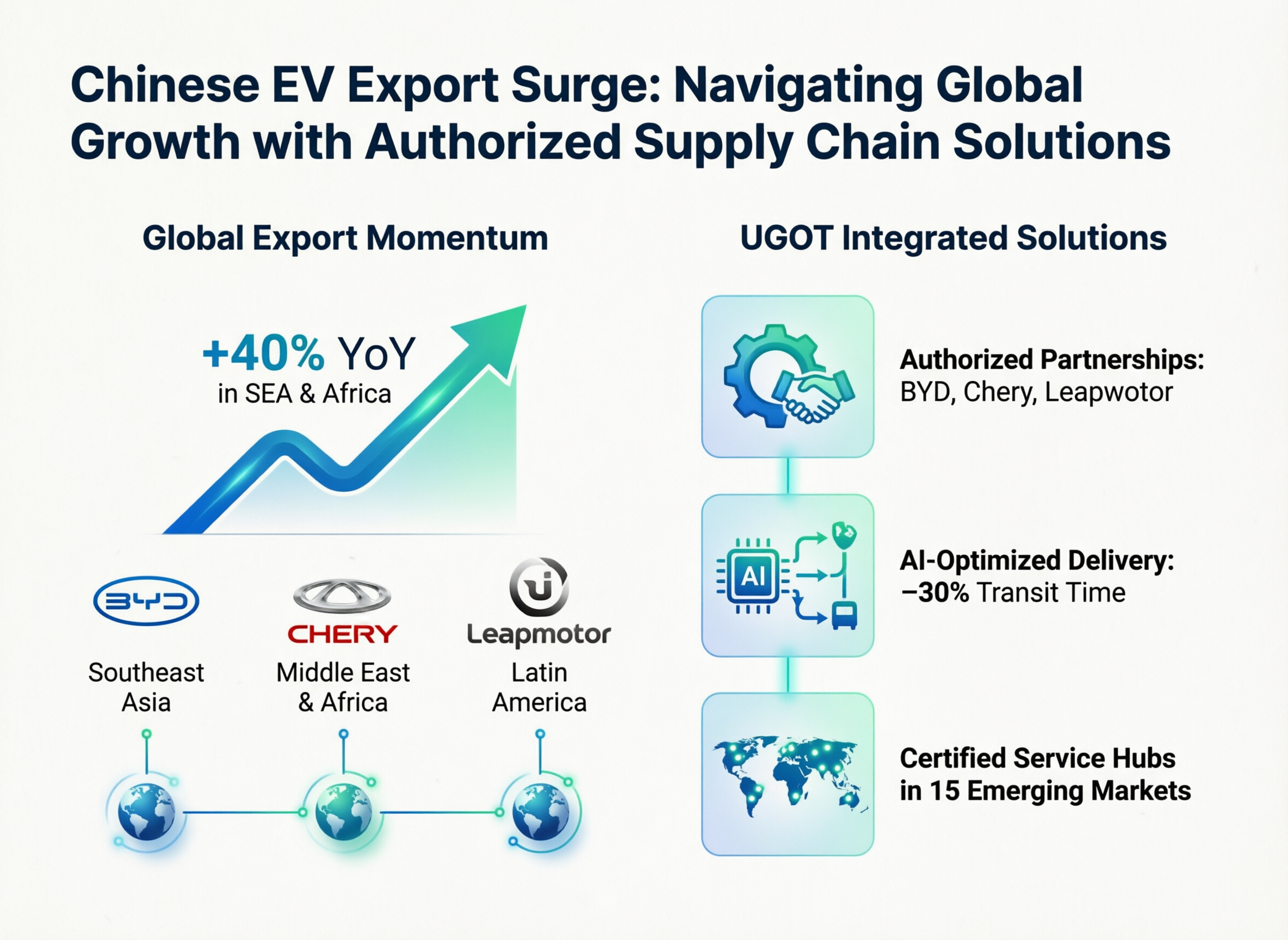 Chinese EV Export Surge: Navigating Global Growth with Authorized Supply Chain Solutions
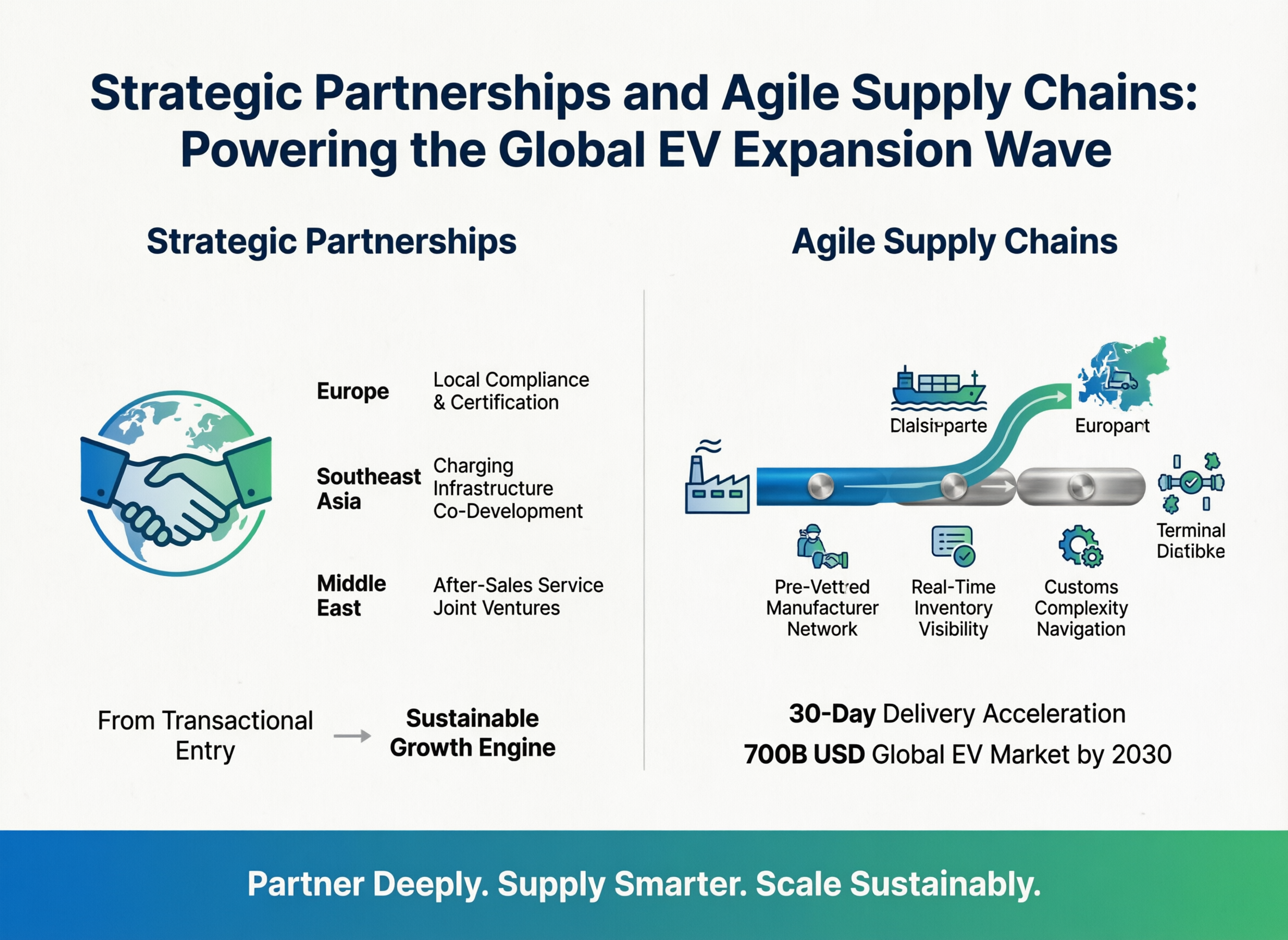 Strategic Partnerships and Agile Supply Chains: Powering the Global EV Expansion Wave
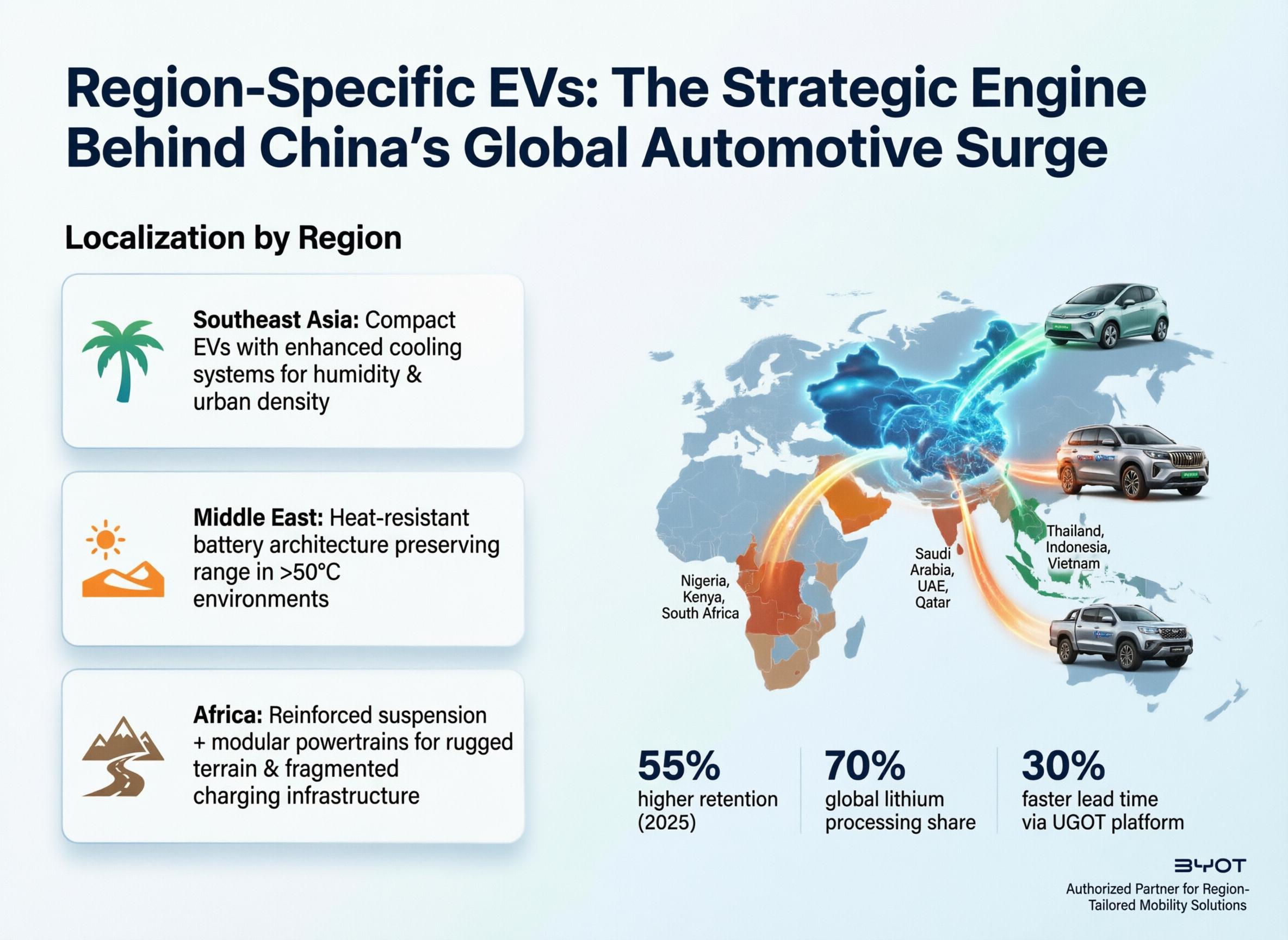 Region-Specific EVs: The Strategic Engine Behind China’s Global Automotive Surge