Cross-Border Synergy: Powering China’s EV Surge into European Markets
The global automotive industry is witnessing a transformative shift as Chinese electric vehicle (EV) manufacturers aggressively expand their international footprint. A recent landmark development—Geely’s strategic partnership in Austria—exemplifies this momentum, reinforcing its long-term overseas strategy through localized production and supply chain integration. This move is not isolated; it reflects a broader trend where Chinese automakers are leveraging regional collaborations to navigate complex regulatory landscapes, reduce trade barriers, and capture growing demand for sustainable mobility. As Europe tightens emission standards and incentivizes green transportation, the race to establish resilient, localized operations has become a cornerstone of global competitiveness.
The Localization Imperative in EV Globalization
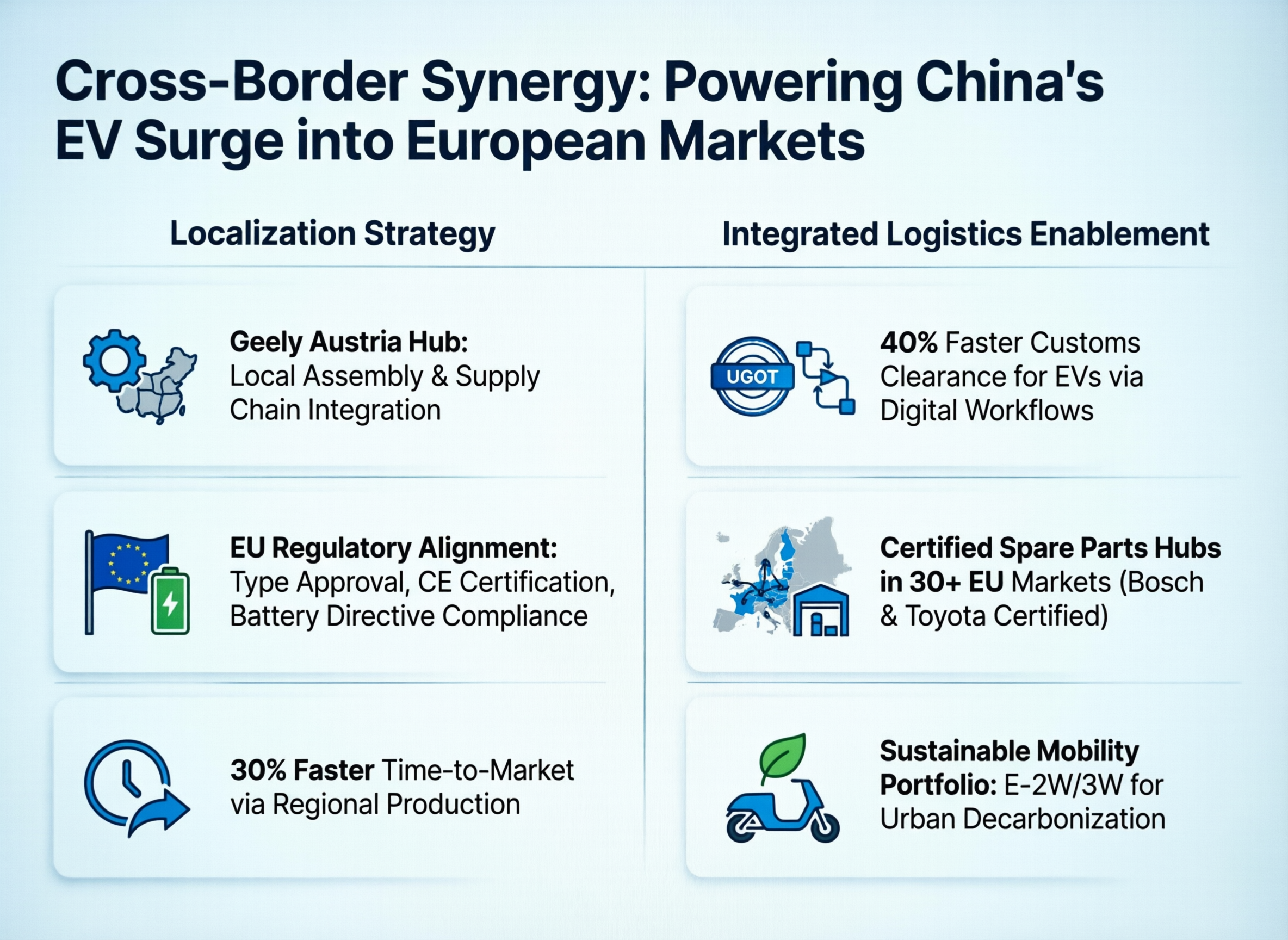
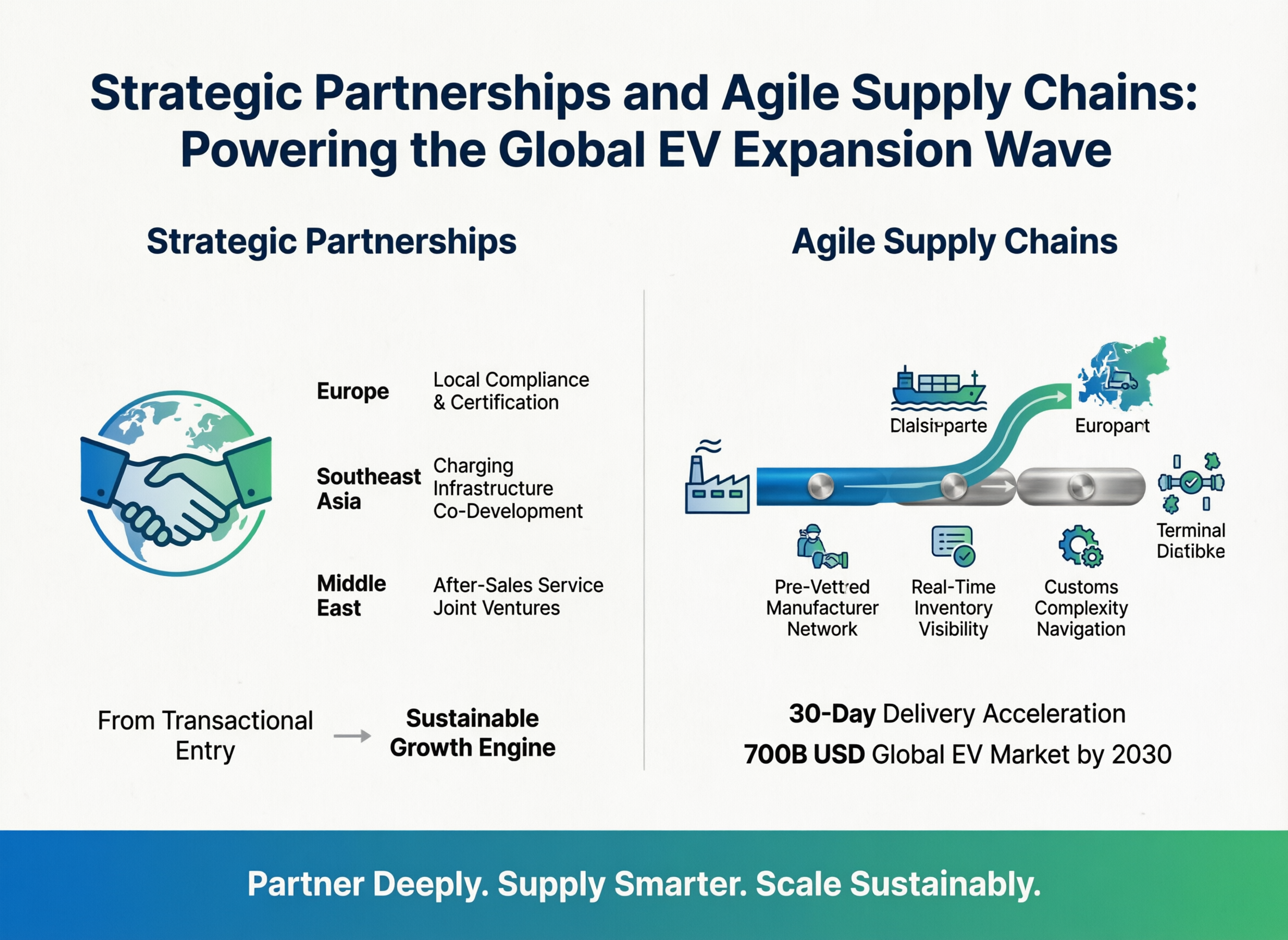
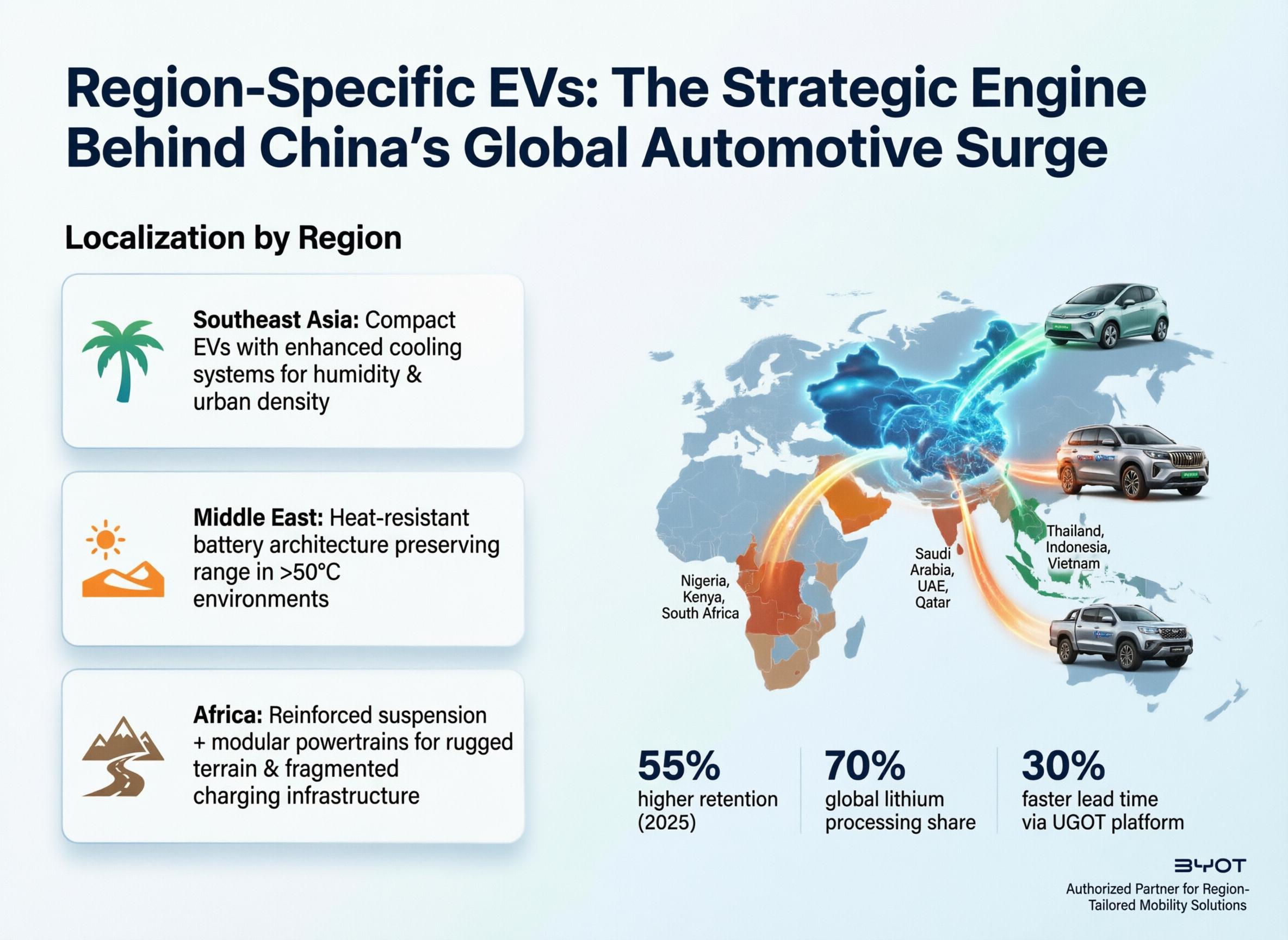
Chinese EV brands are rapidly transitioning from export-driven models to embedded regional ecosystems. Geely’s Austrian venture highlights a critical industry evolution: success in markets like Europe hinges on more than just product quality—it demands deep supply chain localization. By establishing production and assembly hubs within target regions, manufacturers mitigate risks from geopolitical volatility, customs delays, and fluctuating tariffs. This strategy also accelerates responsiveness to local consumer preferences, such as tailored battery configurations or connectivity features. Data from industry analysts shows that localized operations can reduce time-to-market by up to 30% while enhancing brand trust. However, this approach introduces complexities: managing cross-border component flows, ensuring compliance with diverse safety certifications, and maintaining after-sales service continuity. Without agile logistics infrastructure, even the most innovative EVs face bottlenecks in scaling globally.
EVs as the Engine of Sustainable Market Penetration
Electric vehicles have emerged as the primary catalyst for China’s automotive globalization, driven by technological advancements and supportive policies worldwide. Unlike traditional vehicles, EVs align with Europe’s decarbonization mandates, offering a strategic entry point. Yet, market penetration requires more than regulatory alignment—it demands seamless integration across the value chain. Regional partnerships, like Geely’s Austrian collaboration, act as force multipliers, enabling faster adaptation to local infrastructure needs and consumer behaviors. For instance, co-developing charging networks or battery recycling programs fosters community acceptance. Nevertheless, a persistent challenge remains: fragmented supply chains struggle with the high-volume, time-sensitive demands of EV exports. Customs clearance delays for lithium-ion batteries, spare parts shortages, and inconsistent service networks can erode competitive advantages. Bridging this gap requires specialized expertise in cross-border coordination—a need increasingly met by integrated logistics enablers.
Enabling Resilient Expansion Through Integrated Solutions
Addressing these complexities calls for partners that combine regulatory acumen with operational scalability. This is where specialized providers like UGOT deliver transformative value. Building on authorized export qualifications and proven collaborations with industry leaders such as BYD and Changan, UGOT offers end-to-end vehicle export solutions tailored for the EV era. Their platform streamlines customs clearance for electric models, leveraging digital workflows to cut processing times by over 40%. Beyond logistics, UGOT strengthens after-sales resilience through localized spare parts hubs stocked with certified components from Bosch and Toyota, ensuring rapid maintenance support across 30+ European markets. Complementing this, their sustainable mobility portfolio—including electric two- and three-wheelers—aligns with urban decarbonization trends, providing automakers with diversified growth avenues. By unifying supply chain efficiency with green innovation, UGOT empowers manufacturers to focus on core strengths: accelerating product development and customer engagement without operational friction.
The Path Forward: Collaboration as a Competitive Edge
As Chinese EV brands target 20% market share in Europe by 2030, the interplay between localization and global supply chain agility will define winners. Future success lies in ecosystems where manufacturers and logistics partners co-innovate—turning regulatory hurdles into opportunities for differentiation. Companies like UGOT are pivotal in this evolution, transforming cross-border challenges into scalable advantages through technology-driven resilience. Their commitment to sustainability, from zero-emission transport corridors to circular-economy spare parts, not only supports compliance but also builds brand equity in eco-conscious markets. In an era where seamless mobility transcends borders, such partnerships will be the bedrock of a truly global EV revolution.
Related Posts
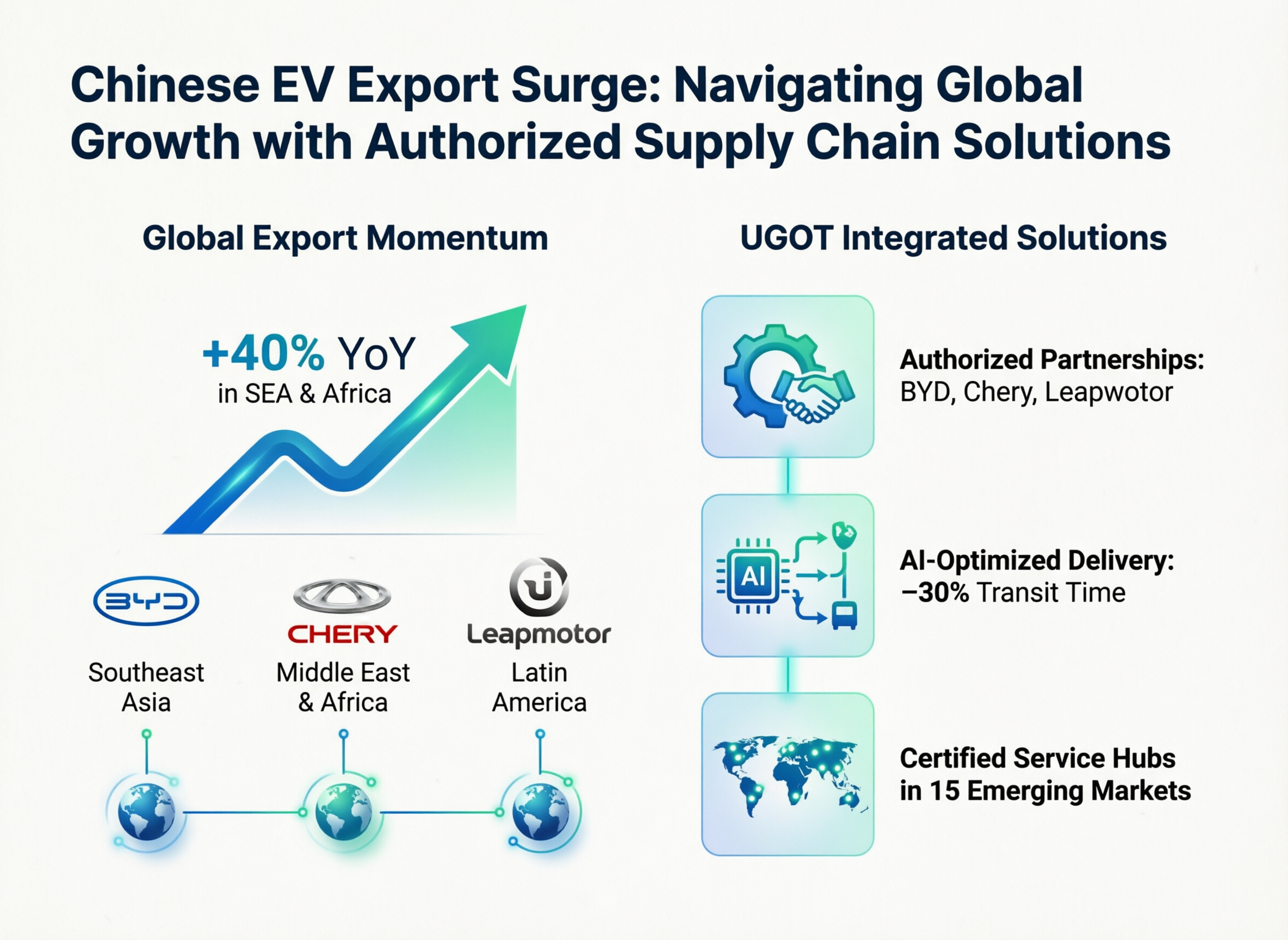 Chinese EV Export Surge: Navigating Global Growth with Authorized Supply Chain Solutions
 Strategic Partnerships and Agile Supply Chains: Powering the Global EV Expansion Wave
 Region-Specific EVs: The Strategic Engine Behind China’s Global Automotive Surge