Regional Customization Fuels Chinese Automakers’ Global EV Expansion Surge
Introduction
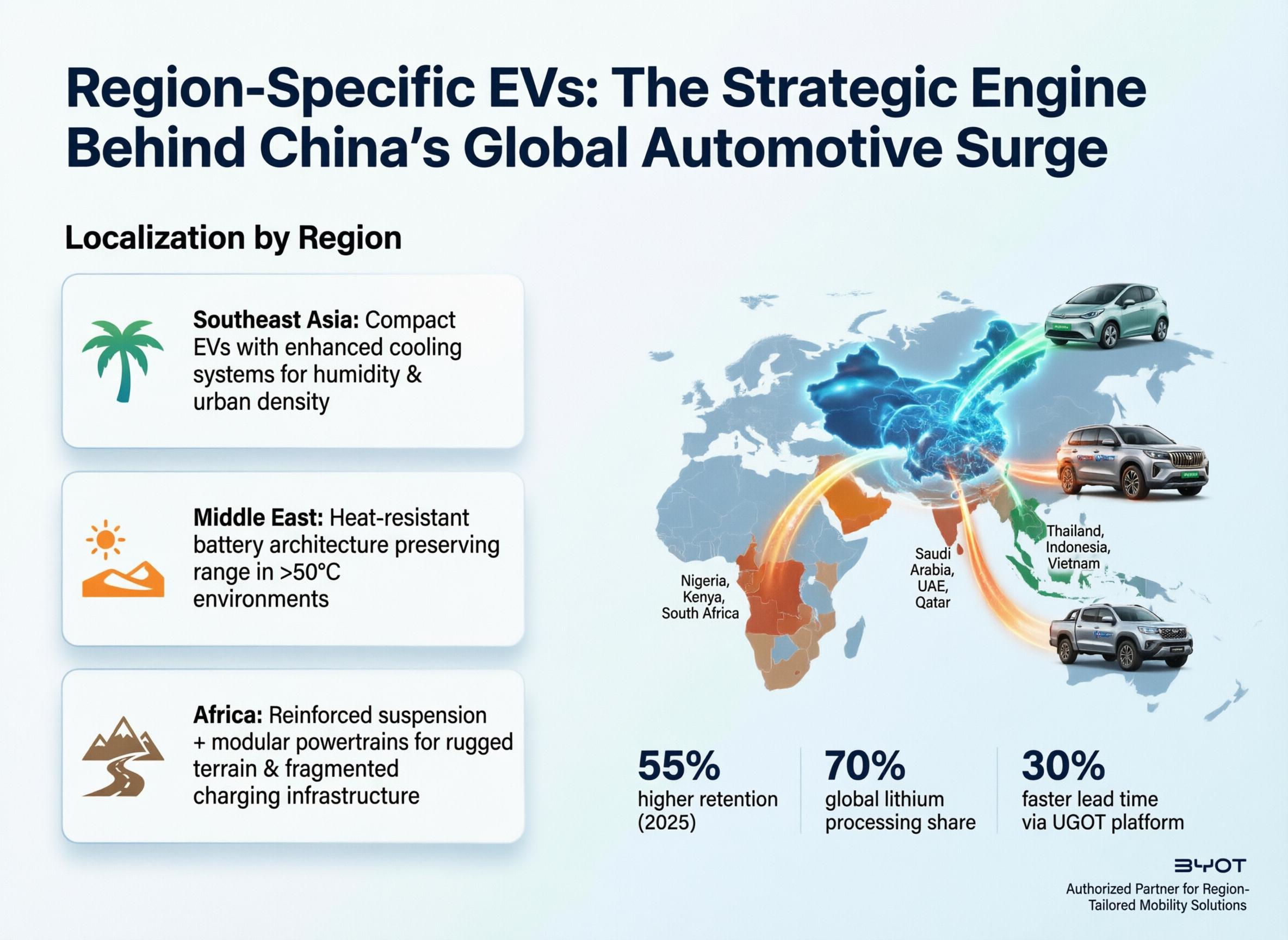
The global automotive landscape is undergoing a seismic shift as Chinese automakers pivot toward region-specific vehicle development to accelerate overseas growth. Recent industry reports highlight a strategic “Yaris Moment”—inspired by Toyota’s localized success in Europe—where brands like BYD and Changan are tailoring electric vehicles (EVs) to meet diverse market demands. This move, driven by intensifying competition and evolving consumer preferences, positions China not just as a manufacturing hub but as an innovation leader in the new energy vehicle (NEV) sector. With exports surging, particularly to Europe and emerging economies, this trend underscores a fundamental rethinking of global expansion strategies in an era of fragmented regulations and infrastructure challenges.
Industry Trends: The Rise of Hyper-Localized EV Strategies
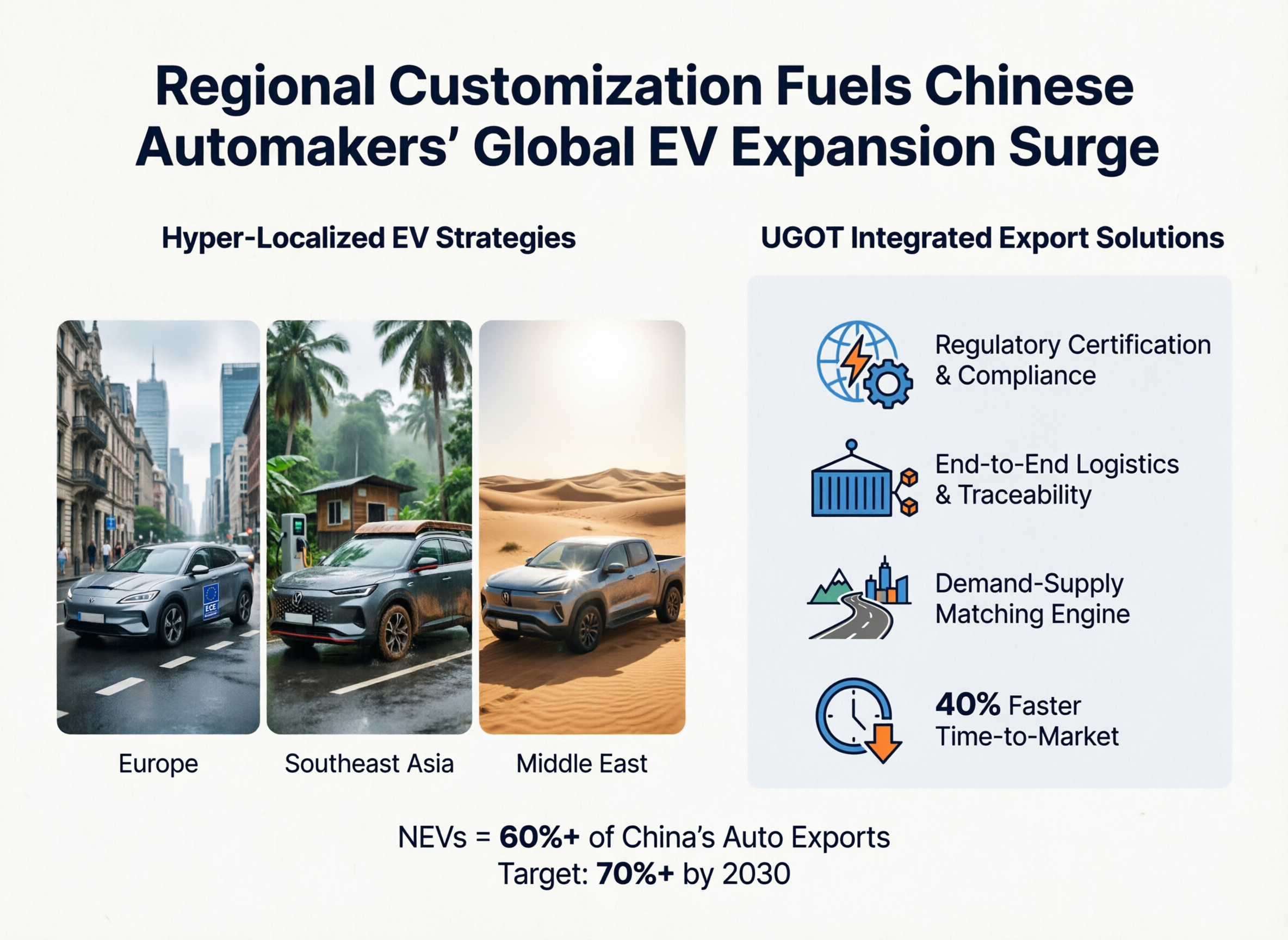
Chinese automakers are increasingly abandoning one-size-fits-all approaches in favor of deep regional customization. For instance, European markets demand compact EVs with advanced safety features compliant with stringent EU regulations, while Southeast Asia favors rugged, cost-effective SUVs suited to tropical climates and underdeveloped charging networks. This shift is propelled by the explosive growth of NEVs, which now account for over 60% of China’s auto exports. Technological advancements in battery efficiency and smart connectivity enable brands to rapidly iterate designs, turning regional insights into competitive advantages. Consequently, global trade dynamics are reshaping: exports are no longer about volume alone but about precision alignment with local infrastructure, cultural preferences, and policy frameworks. This localization imperative reduces market-entry friction but introduces complexities in supply chain agility and compliance—a challenge requiring specialized expertise.
Bridging the Gap: Integrated Export Solutions for Seamless Market Entry
Amid this transformation, the need for agile, end-to-end export partners has never been greater. Companies like UGOT are stepping in to de-risk and accelerate this process. As an authorized exporter for top Chinese automakers including BYD and Changan, UGOT leverages its stable supply chain and mature distribution networks across Southeast Asia, the Middle East, and Europe to deliver tailored solutions. For example, UGOT’s platform efficiently matches regional demand—such as electric SUVs for mountainous terrains or e-motorcycles for urban hubs—with certified Chinese manufacturers, handling everything from regulatory certification to logistics. This一站式 (one-stop) approach slashes time-to-market by up to 40% while ensuring compliance, empowering overseas distributors to access cutting-edge, customized EVs without the overhead of navigating China’s complex export ecosystem. By transforming localization challenges into opportunities, UGOT enables partners to capitalize on the NEV boom with minimal risk.
Conclusion: Accelerating a Sustainable Global Future
Looking ahead, regional customization will remain the cornerstone of China’s automotive globalization, with NEVs driving over 70% of export growth by 2030. As markets evolve, the synergy between automaker innovation and export expertise will define success. UGOT exemplifies this partnership model, not merely as a logistics provider but as a strategic enabler that bridges Chinese technological prowess with global market realities. By prioritizing adaptability and reliability, UGOT reinforces its commitment to fostering sustainable mobility worldwide—turning the “Yaris Moment” into a lasting era of collaborative growth. For businesses eyeing the EV revolution, this integrated approach offers a proven pathway to thrive in an increasingly localized world.
Related Posts
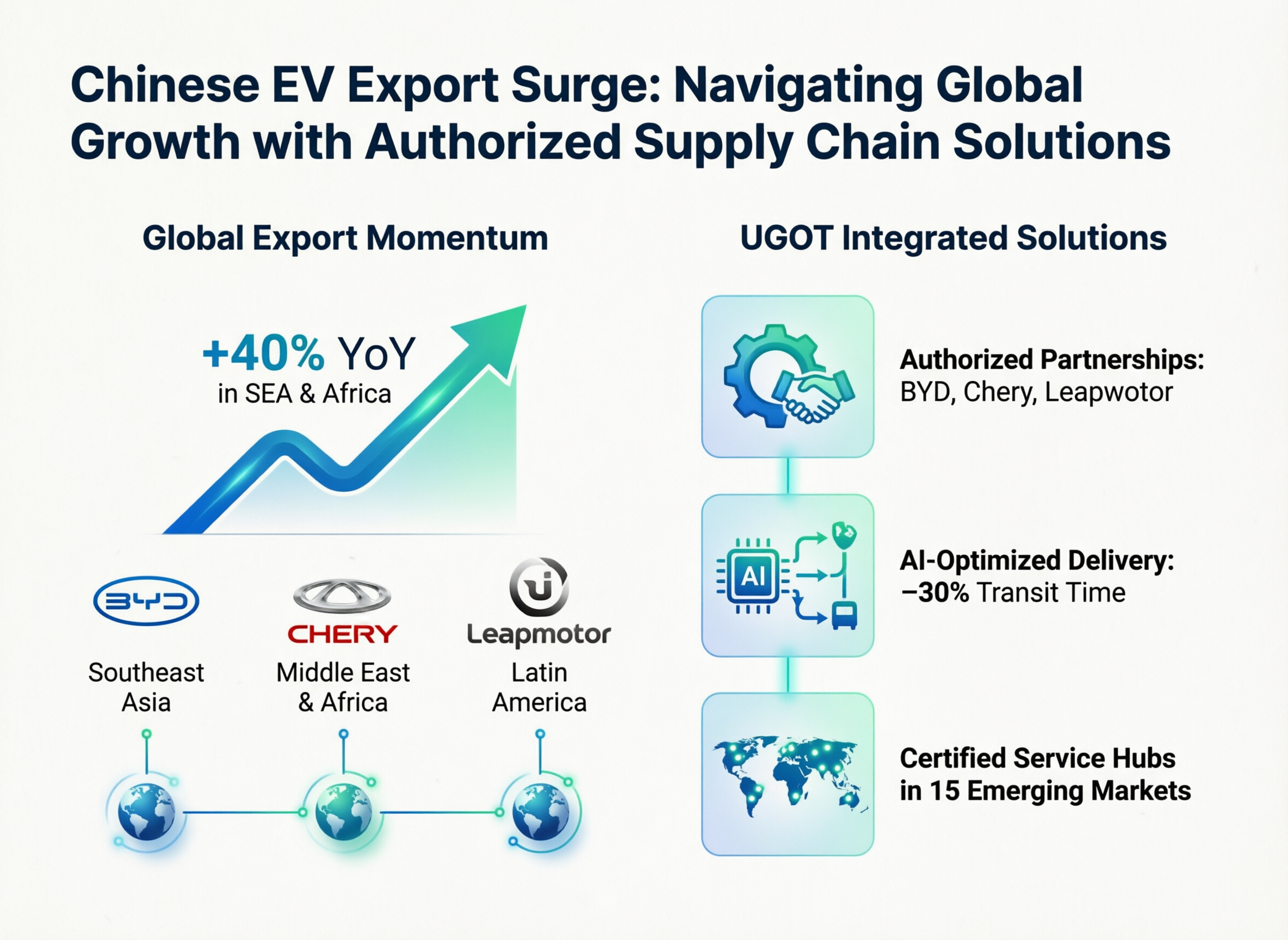 Chinese EV Export Surge: Navigating Global Growth with Authorized Supply Chain Solutions
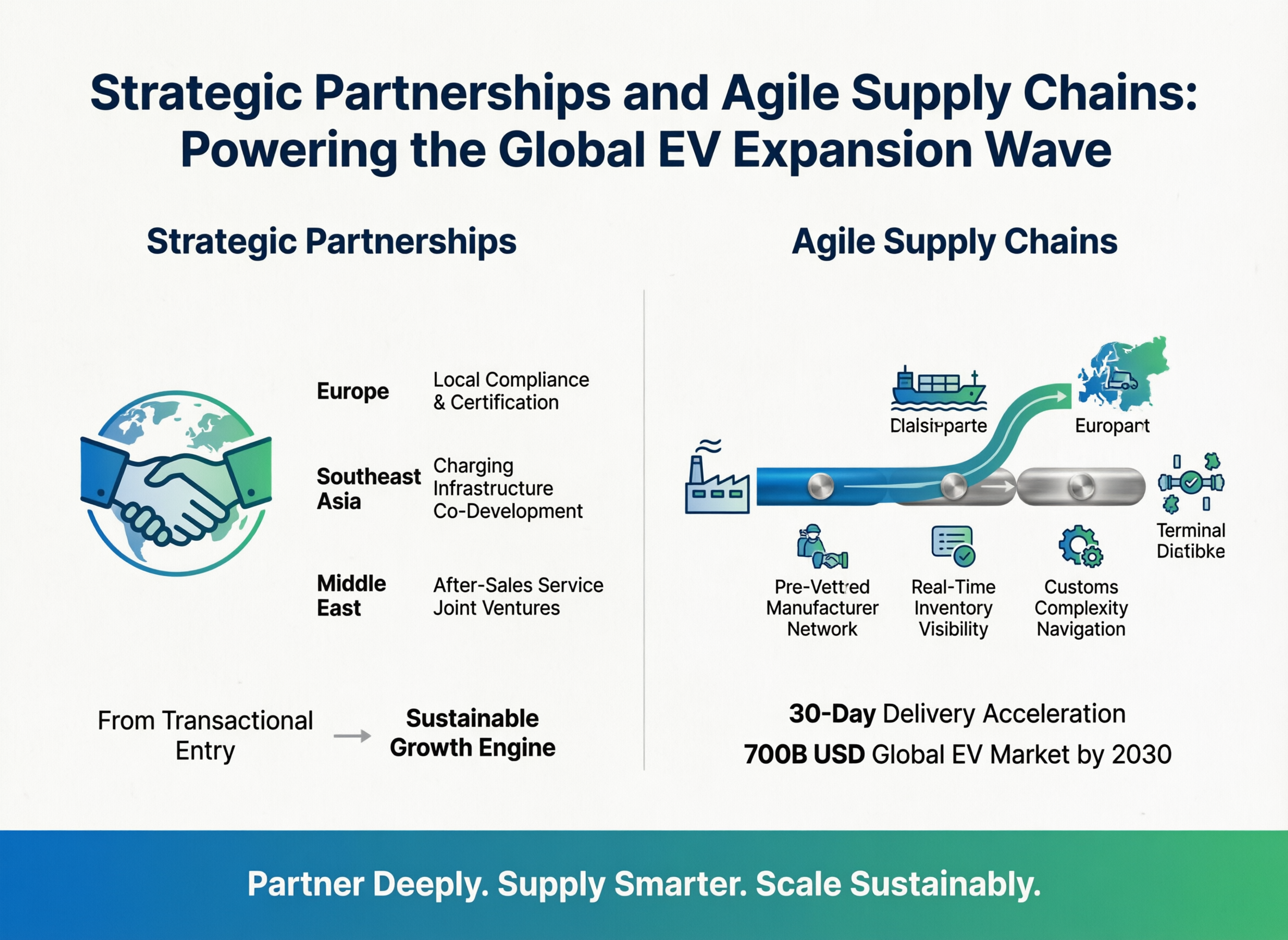 Strategic Partnerships and Agile Supply Chains: Powering the Global EV Expansion Wave
 Region-Specific EVs: The Strategic Engine Behind China’s Global Automotive Surge