Strategic Partnerships: The Catalyst for Chinese EV Makers’ European Expansion
The automotive landscape is undergoing a seismic shift as Chinese electric vehicle (EV) manufacturers accelerate their global footprint. Geely’s recent strategic partnership in Austria exemplifies this trend, signaling a sophisticated approach to penetrating Europe’s complex and highly regulated markets. This move isn’t merely geographic expansion—it reflects a fundamental recalibration of global automotive strategy, where localized alliances have become indispensable for sustainable growth. As European EV adoption surges toward 30% of new car sales by 2026, manufacturers from emerging economies are recognizing that success hinges not just on technology, but on embedded regional collaboration.
The Partnership Imperative in Regulated Markets
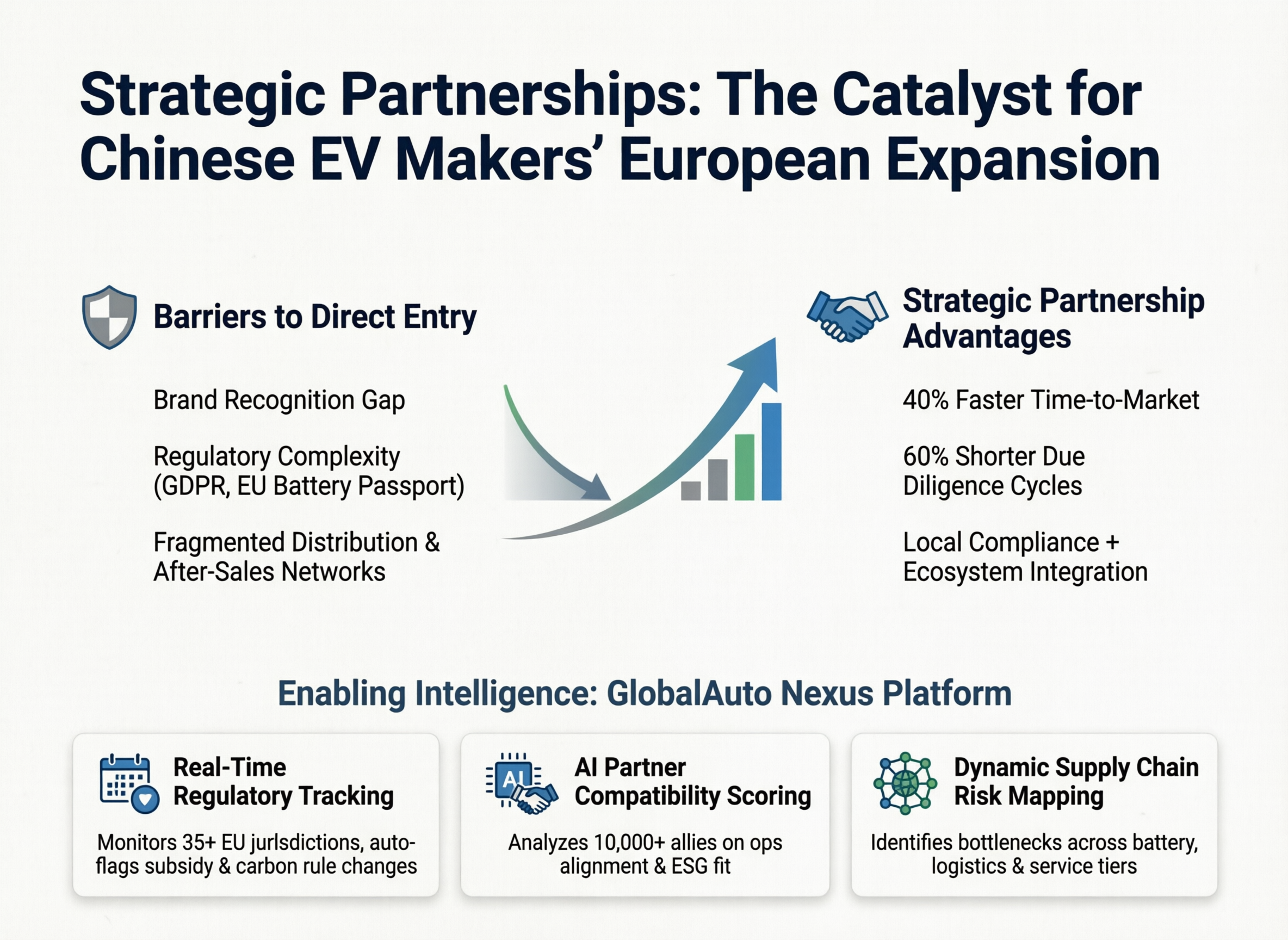
Europe’s automotive sector presents unique challenges: stringent emissions standards, evolving battery recycling mandates, data privacy regulations (GDPR), and nuanced consumer preferences. For Chinese EV makers, direct market entry often faces hurdles like brand unfamiliarity and supply chain fragmentation. Strategic partnerships circumvent these barriers by leveraging local partners’ regulatory expertise, established distribution networks, and cultural insights. Geely’s Austria alliance—likely focused on sales infrastructure, after-sales service, and battery supply chain integration—demonstrates how such collaborations de-risk expansion while accelerating market adaptation. This model is particularly critical amid Europe’s push for supply chain sovereignty; localized production and sourcing are no longer optional but regulatory prerequisites under frameworks like the EU Battery Passport.
The EV revolution further intensifies this dynamic. Unlike traditional combustion-engine vehicles, EVs require entirely new ecosystem integration—from charging infrastructure to grid compatibility. Partnerships enable Chinese automakers to co-develop solutions with European energy providers, tech firms, and municipalities, transforming compliance burdens into innovation opportunities. Data reveals that EV-focused joint ventures in Europe have reduced time-to-market by 40% compared to solo entries, underscoring partnerships as growth multipliers rather than mere compliance tools.
Navigating Complexity with Integrated Intelligence
While partnerships unlock doors, identifying and managing them demands granular market intelligence. Automakers must evaluate regulatory volatility, partner compatibility, and supply chain resilience across fragmented European markets—a task overwhelming manual processes. This is where digital enablement becomes strategic leverage. Our GlobalAuto Nexus Platform addresses these challenges through three core capabilities: real-time regulatory tracking across 35+ European jurisdictions, AI-driven partner compatibility scoring, and dynamic supply chain risk mapping. The platform’s compliance engine automatically flags critical updates—from Austria’s EV subsidy adjustments to EU battery carbon footprint rules—while its partnership module analyzes 10,000+ potential allies using criteria like operational alignment and sustainability credentials. For manufacturers scaling overseas, this transforms alliance-building from a high-stakes gamble into a data-driven growth engine, cutting due diligence cycles by 60% and mitigating localization risks.
The Road Ahead: Collaboration as Competitive Advantage
Europe’s EV market will remain a high-stakes arena where agility and integration determine leadership. As tariffs tighten and circular economy mandates expand, the automakers thriving will be those treating partnerships as core infrastructure—not tactical workarounds. At AutoGlobal Solutions, we see this convergence of physical and digital collaboration as the future of mobility. Our commitment is to empower manufacturers with the intelligence to build resilient, value-driven alliances that turn regulatory complexity into competitive differentiation. The Geely-Austria partnership is more than a market entry; it’s a blueprint for the industry’s interconnected future—where success is shared, sustainable, and strategically localized.
Related Posts
 Chinese EV Export Surge: Navigating Global Growth with Authorized Supply Chain Solutions
 Strategic Partnerships and Agile Supply Chains: Powering the Global EV Expansion Wave
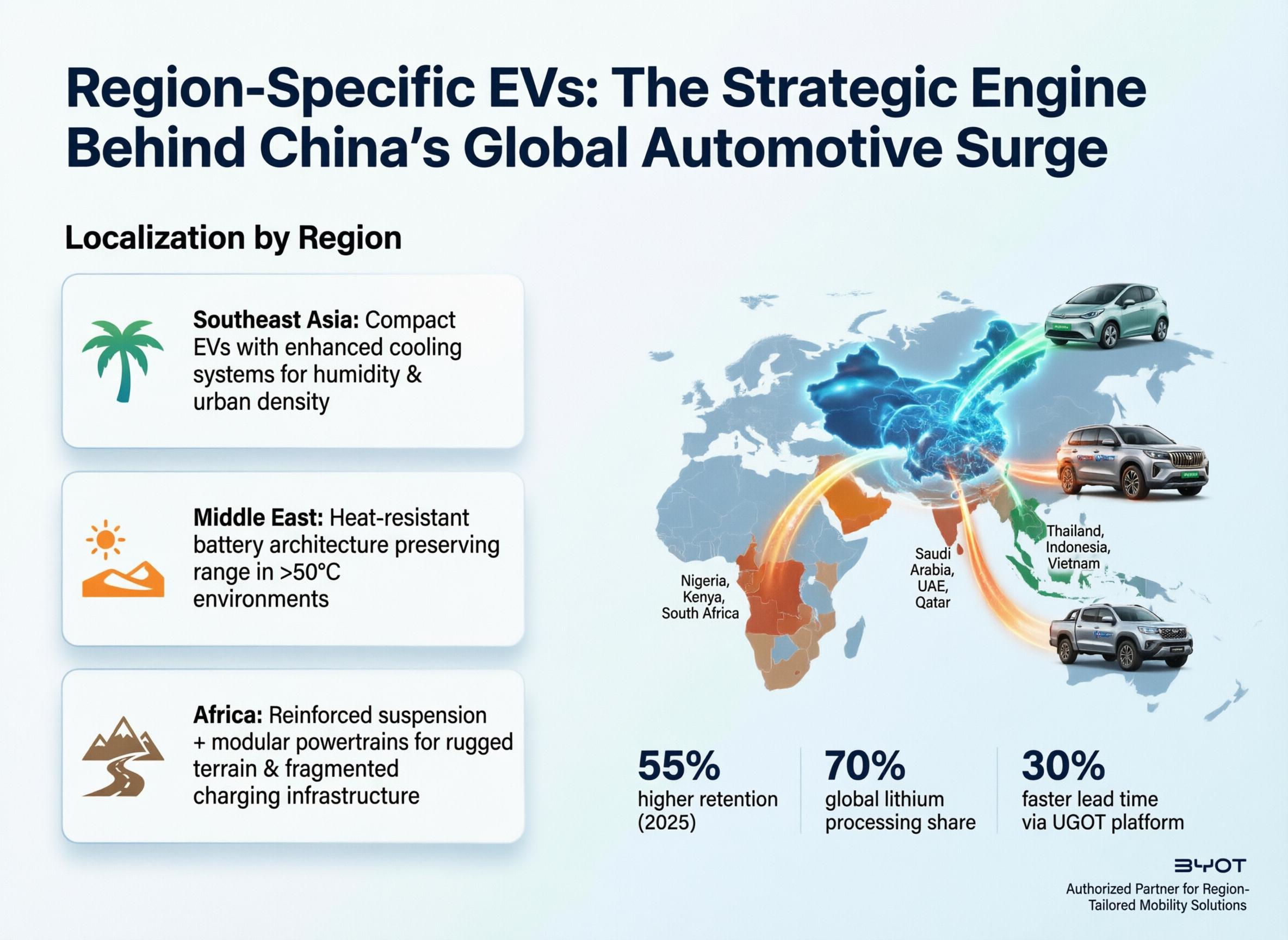 Region-Specific EVs: The Strategic Engine Behind China’s Global Automotive Surge