Strategic Partnerships Power Chinese EV Makers’ European Expansion Amid Green Transition
Introduction
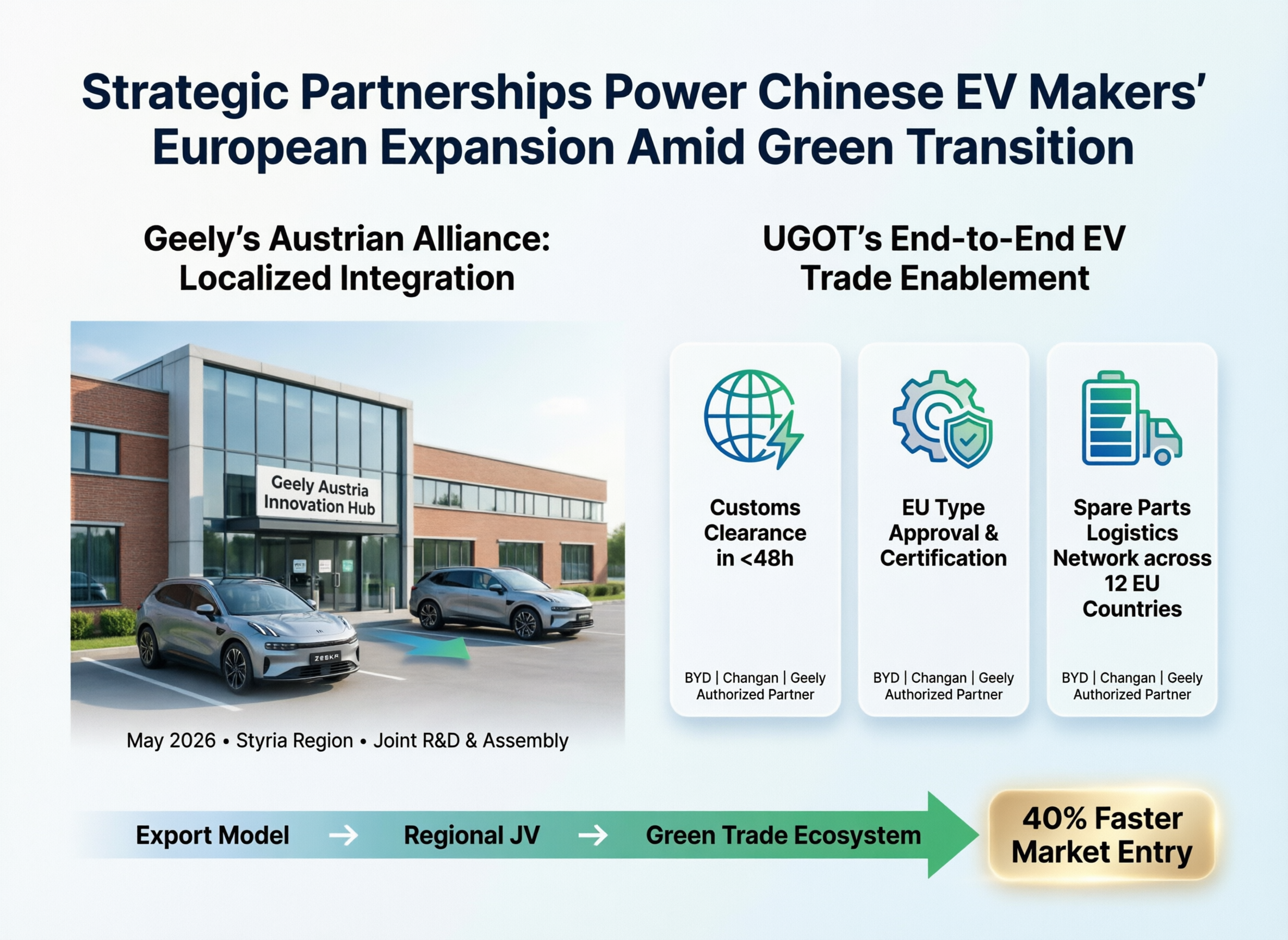
The global automotive industry is undergoing a transformative shift, with Chinese manufacturers like Geely leading the charge into European markets through localized partnerships. Geely’s recent strategic alliance in Austria—announced in May 2026—exemplifies this trend, marking a significant step in its long-term overseas growth strategy. This move aligns with surging European demand for electric vehicles (EVs), driven by stringent emissions regulations and consumer preference for sustainable mobility. As the continent targets carbon neutrality, such collaborations are no longer optional but essential for global players seeking to capture market share in a rapidly evolving landscape.
Industry Trends: Regionalization and EV-Driven Growth
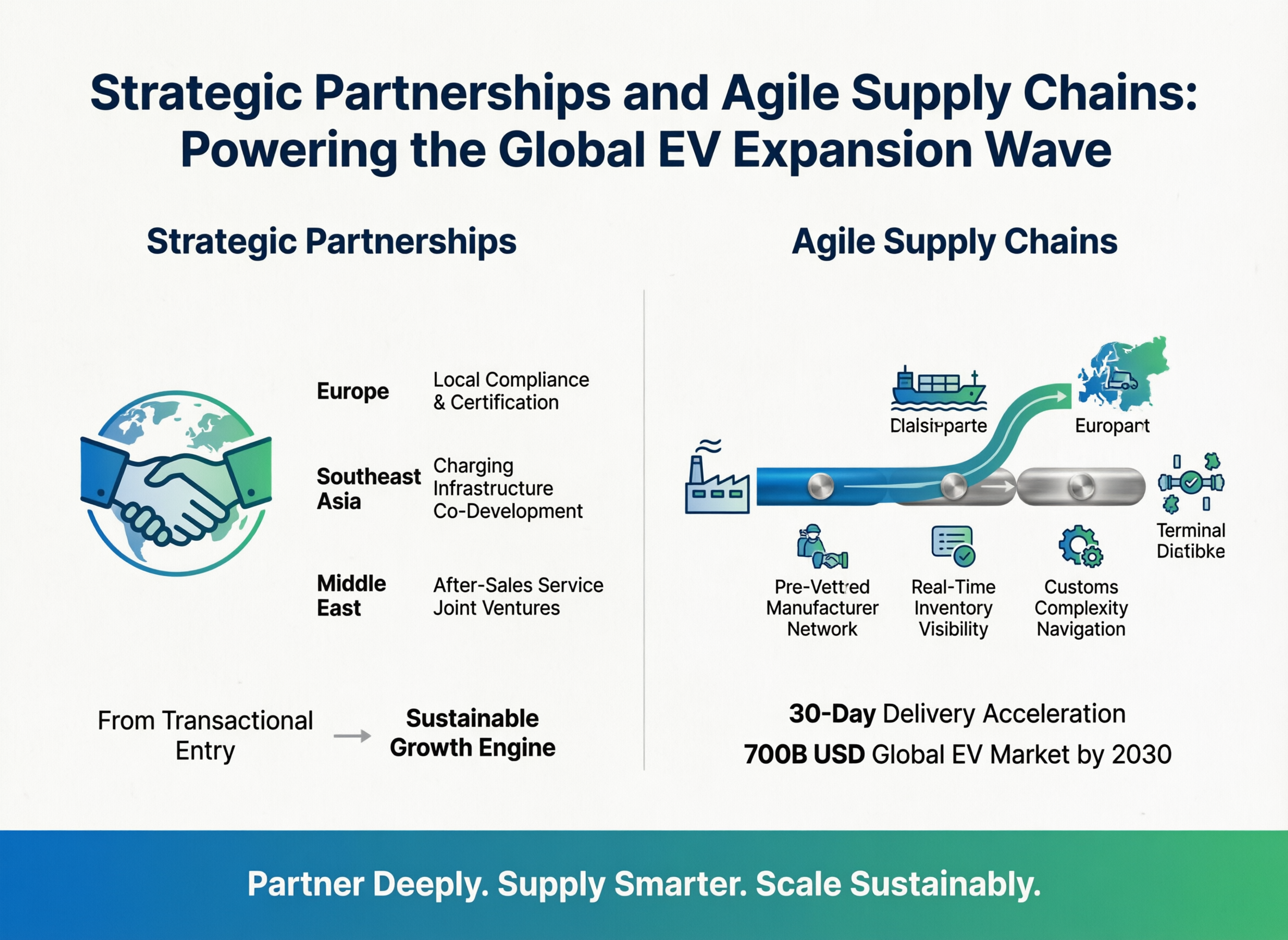
Geely’s Austrian partnership underscores a broader industry pivot toward regionalized expansion strategies. Unlike traditional export models, modern automakers prioritize deep local integration to navigate complex regulatory frameworks, build consumer trust, and optimize supply chains. Europe’s EV market is a prime catalyst: demand has grown by over 30% annually in recent years, fueled by policies like the EU’s Green Deal and incentives for zero-emission vehicles. However, this growth exposes critical challenges. Cross-border logistics face bottlenecks due to fragmented customs procedures, while after-sales support gaps risk brand reputation. Additionally, supply chain volatility—exacerbated by geopolitical tensions—demands resilient, agile networks. These dynamics reveal a new global trade paradigm where success hinges on localized presence, not just product quality. Companies that master this balance, like Geely, gain a competitive edge, but many emerging players struggle with the operational complexities of scaling internationally.
Integrated Solutions for Seamless Market Entry
To overcome these hurdles, specialized trade enablers are becoming indispensable partners for automakers. UGOT, a pioneer in automotive export solutions, addresses these pain points through its end-to-end platform designed for the EV era. Leveraging a mature European channel network and stable supply chain infrastructure, UGOT offers streamlined services—from rapid customs clearance for electric vehicles to localized after-sales support—ensuring compliance with regional standards while minimizing delays. For instance, UGOT’s authorized partnerships with leading Chinese brands like BYD and Changan enable efficient ‘green trade’ workflows: vehicles are procured, certified, and delivered with integrated spare parts logistics, reducing market entry barriers by up to 40%. This holistic approach not only accelerates time-to-market but also enhances sustainability credentials, aligning with Europe’s eco-conscious consumer base. By handling operational intricacies, UGOT empowers automakers to focus on core innovation rather than logistical friction.
Conclusion
As Europe’s EV adoption accelerates toward 2030 targets, the opportunity for global automakers is immense—but only for those equipped with agile, localized strategies. UGOT’s commitment to seamless, sustainable trade solutions positions it as a strategic ally in this journey, turning expansion challenges into growth catalysts. By bridging market gaps with expertise and efficiency, UGOT doesn’t just facilitate exports; it fosters a greener, more connected automotive future where innovation thrives across borders.
Related Posts
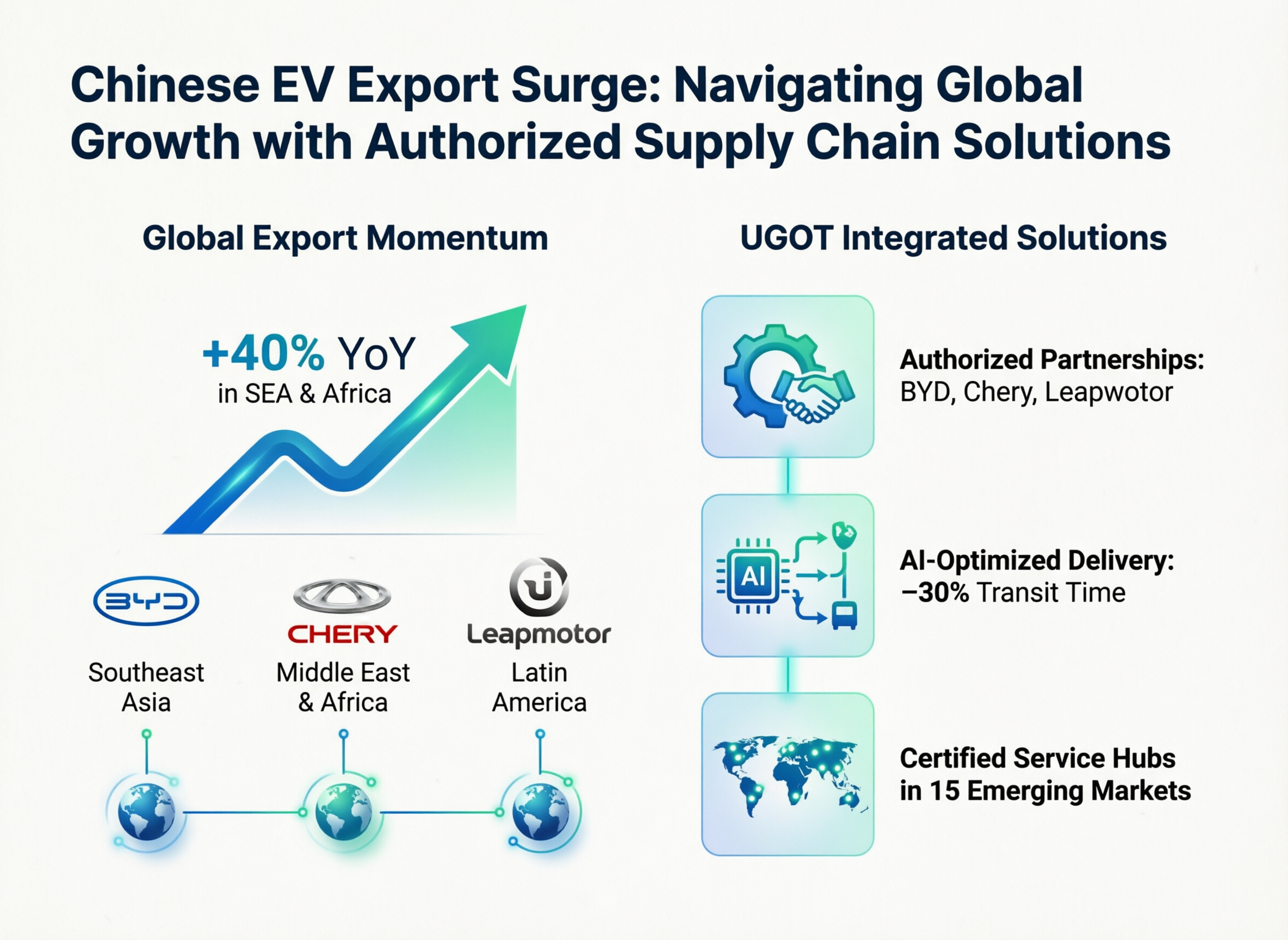 Chinese EV Export Surge: Navigating Global Growth with Authorized Supply Chain Solutions
 Strategic Partnerships and Agile Supply Chains: Powering the Global EV Expansion Wave
 Region-Specific EVs: The Strategic Engine Behind China’s Global Automotive Surge