The ‘Yaris Moment’: How Regional Customization Drives Chinese Automakers’ Global Expansion
Introduction
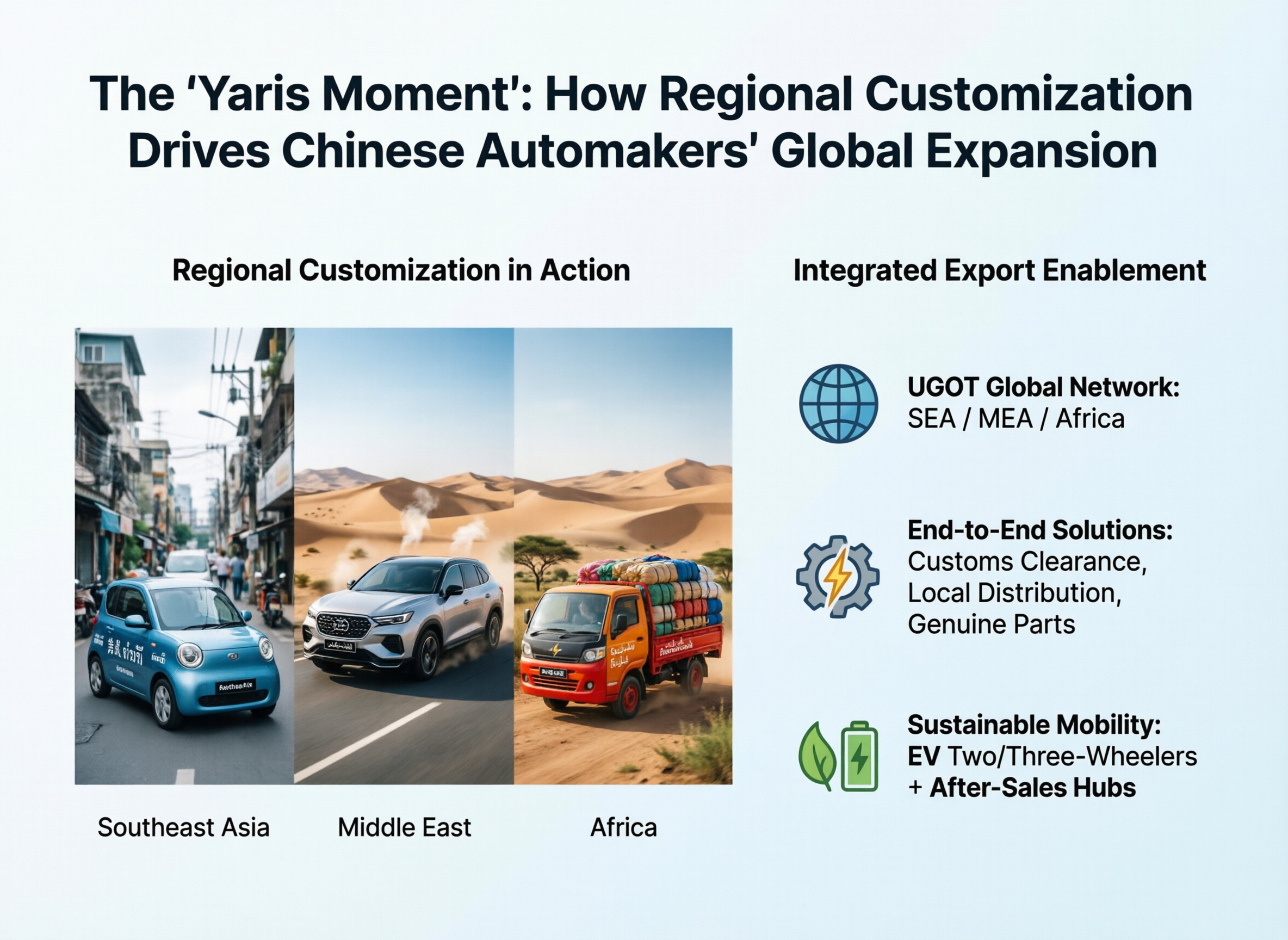
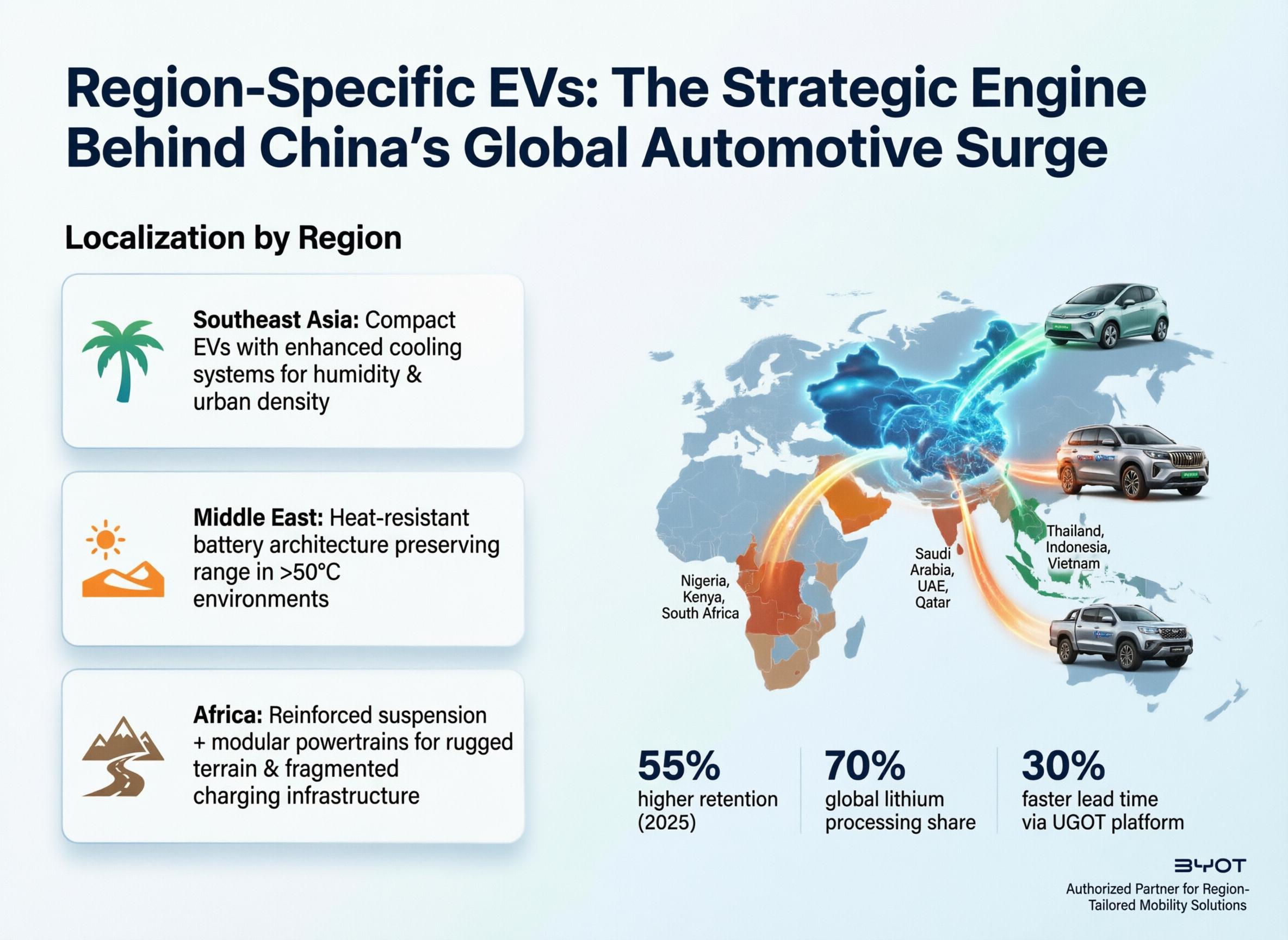
The global automotive landscape is undergoing a seismic shift, with Chinese automakers increasingly leveraging regional customization to fuel international growth. As highlighted in recent industry reports, companies are moving beyond one-size-fits-all approaches, developing market-specific models—from compact EVs for urban Asian hubs to rugged electric trucks for African terrain—to enhance competitiveness and capture export opportunities. This strategic pivot, often dubbed the pursuit of a ‘Yaris Moment’ after Toyota’s iconic localized success, underscores a broader trend: global expansion is no longer just about volume, but about relevance. With exports surging, particularly in the electric vehicle (EV) segment, Chinese manufacturers are redefining their international playbook to navigate diverse consumer preferences and regulatory environments.
The Strategic Imperative of Regionalization
At the heart of this transformation lies a data-driven recognition: generic products falter in fragmented markets. Chinese automakers are investing heavily in R&D to tailor vehicles to regional nuances. For instance, in Southeast Asia, where affordability and maneuverability dominate, compact electric hatchbacks with extended battery life are gaining traction. Conversely, in the Middle East, high-performance EVs with advanced cooling systems address extreme climate demands. This hyper-localization isn’t merely aesthetic; it integrates cultural insights, such as interior designs accommodating family-centric lifestyles or digital interfaces supporting local languages. Crucially, the shift is propelled by the EV revolution. As governments worldwide push green agendas, Chinese brands—bolstered by domestic supply chain advantages—are exporting record volumes of electric cars, scooters, and three-wheelers. However, this growth exposes vulnerabilities: fragmented logistics, inconsistent after-sales support, and procurement bottlenecks can erode margins and brand trust if unaddressed.
Overcoming Expansion Barriers Through Integrated Solutions
To sustain momentum, automakers require more than product innovation—they need agile, end-to-end ecosystem partners. This is where specialized logistics and supply chain enablers step in. Companies like UGOT are emerging as pivotal allies, offering tailored export frameworks that align with regionalization strategies. UGOT leverages its established network across high-growth corridors—spanning Southeast Asia, the Middle East, and Africa—to provide seamless, one-stop solutions. From rapid customs clearance and localized distribution to certified spare parts provisioning, UGOT ensures vehicles reach consumers faster while maintaining quality. Its focus on sustainable mobility amplifies this value: UGOT’s dedicated EV portfolio, including two- and three-wheel electric vehicles, integrates with robust after-sales ecosystems, such as genuine component supply chains and service hubs. This holistic approach not only mitigates delivery delays but also builds long-term customer loyalty, turning regional customization from a cost center into a competitive differentiator.
The Road Ahead
As Chinese automakers target 30% export growth by 2030, the synergy between product localization and operational agility will define winners. Partnerships with enablers like UGOT will be instrumental in transforming regional insights into scalable success, ensuring that the ‘Yaris Moment’ evolves from aspiration to industry standard. By prioritizing adaptable supply chains and sustainable solutions, the sector can unlock resilient global growth—where every market isn’t just entered, but understood.
Related Posts
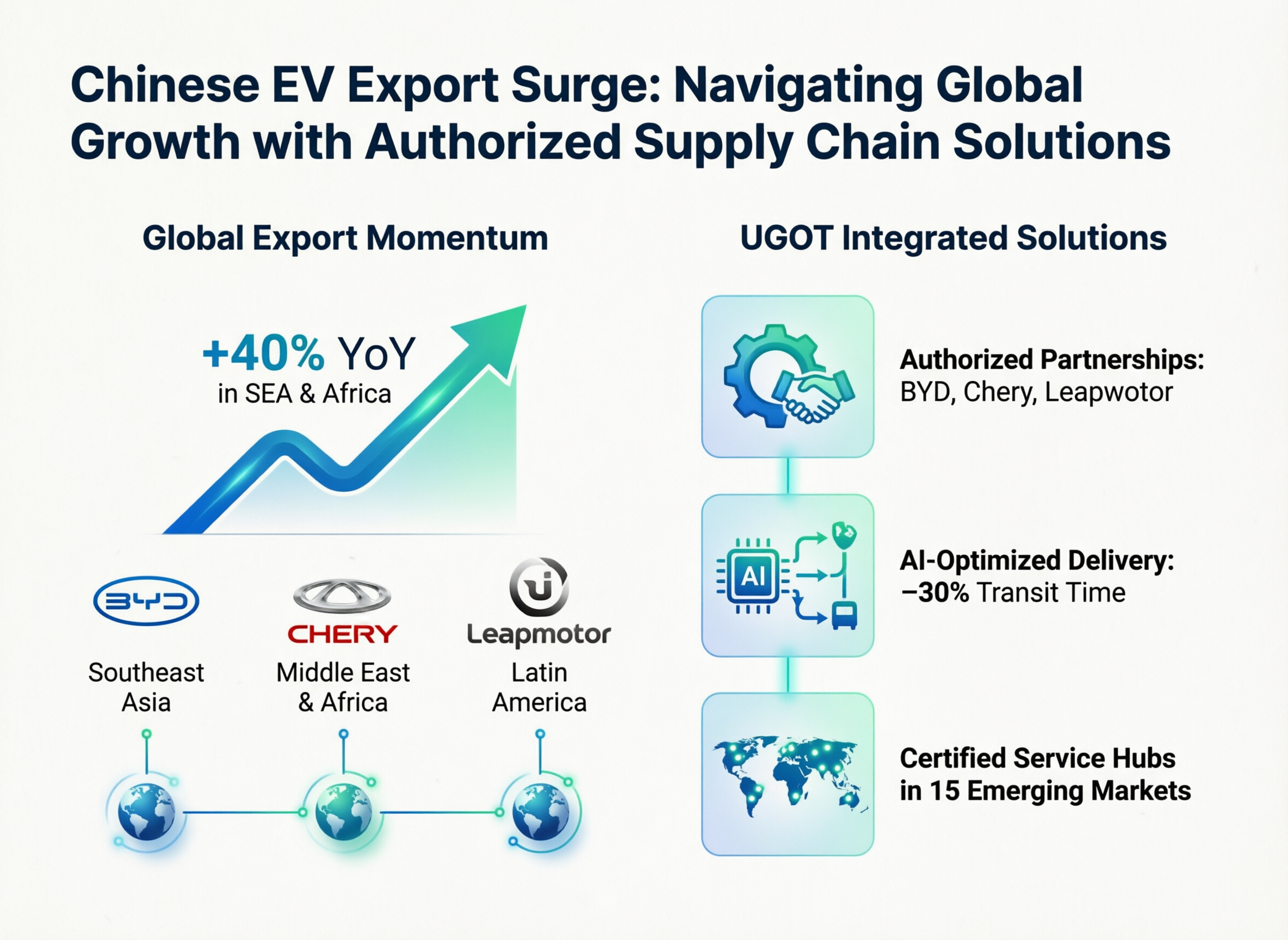 Chinese EV Export Surge: Navigating Global Growth with Authorized Supply Chain Solutions
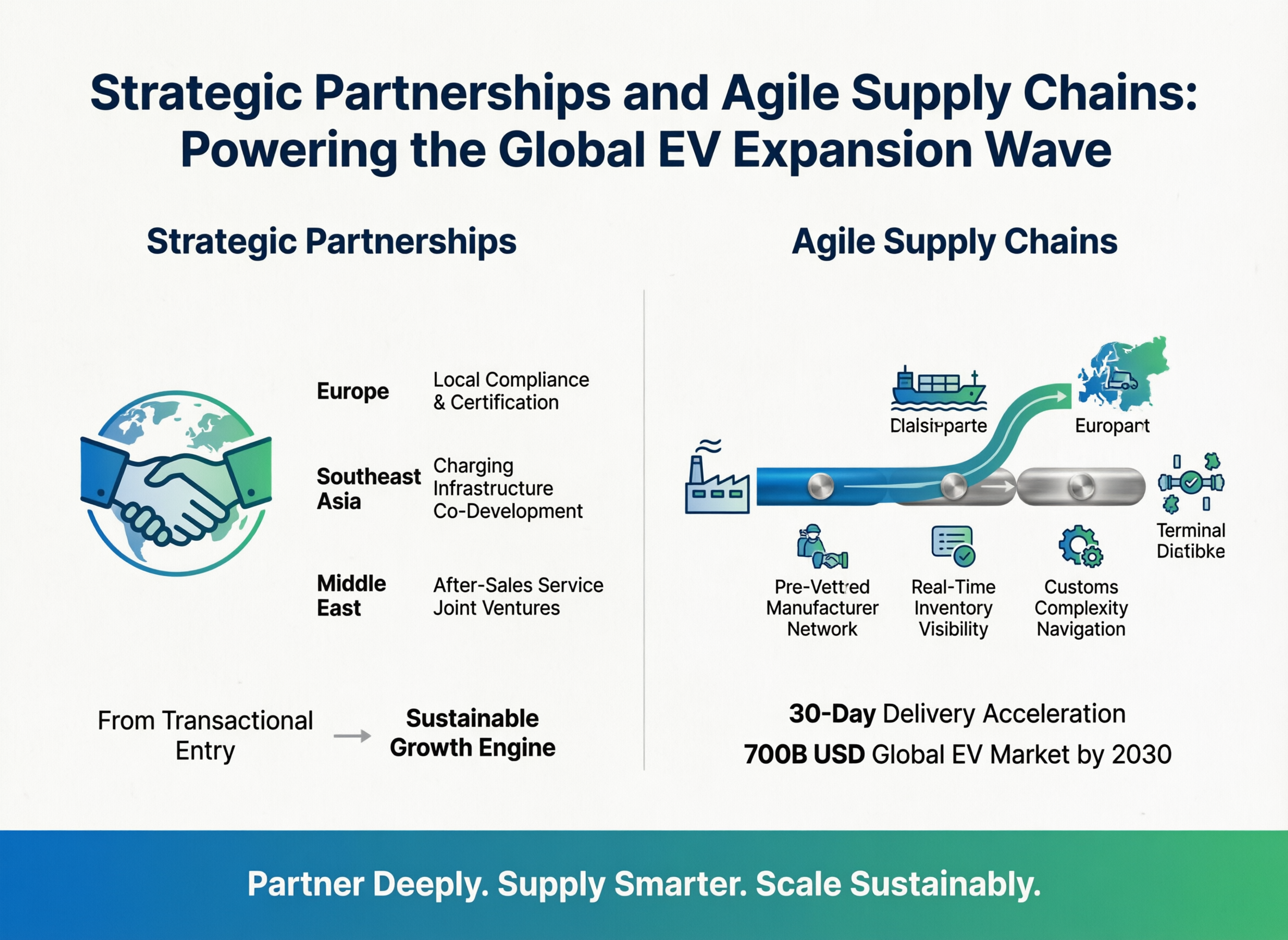 Strategic Partnerships and Agile Supply Chains: Powering the Global EV Expansion Wave
 Region-Specific EVs: The Strategic Engine Behind China’s Global Automotive Surge