Strategic Partnerships Power Chinese EV Makers’ European Expansion Amid Regulatory Shifts
Introduction
The European automotive landscape is undergoing a seismic shift as Chinese electric vehicle (EV) manufacturers accelerate their global footprint. Recent moves, such as Geely’s strategic partnership in Austria, underscore a deliberate pivot toward localized market entry—a response to Europe’s aggressive electrification mandates and surging consumer demand for sustainable mobility. This trend signals more than geographic expansion; it reflects a fundamental recalibration of global automotive strategy, where partnerships become the linchpin for navigating complex regulatory ecosystems while scaling new energy vehicle (NEV) adoption.
The Partnership Imperative in Europe’s EV Revolution
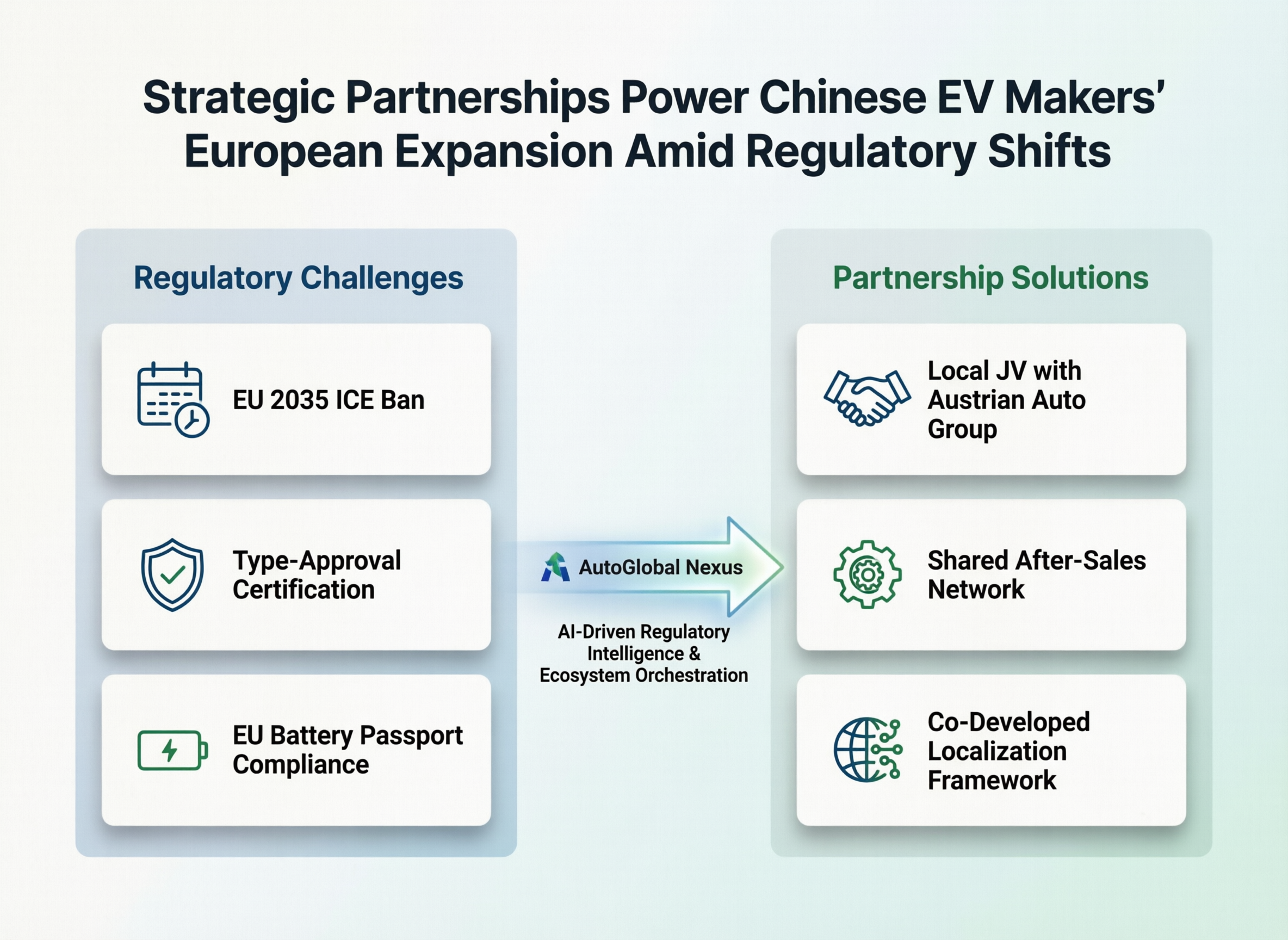
Europe’s EV market is no longer a niche segment but a regulatory and commercial imperative. With the EU’s 2035 combustion engine phaseout deadline looming, demand for NEVs has surged, creating a $150 billion opportunity. Yet, this growth is counterbalanced by formidable barriers: stringent type-approval certifications, localized safety standards, and sustainability compliance frameworks like the EU Battery Passport. For Chinese automakers, organic entry is prohibitively slow. Geely’s Austria alliance exemplifies a tactical shift—leveraging local partners for distribution networks, after-sales infrastructure, and regulatory navigation. This model mitigates risk while accelerating brand trust, a lesson echoed by peers like BYD and NIO, who now prioritize joint ventures over standalone subsidiaries. Crucially, these partnerships extend beyond logistics; they embed cultural and operational localization, ensuring products resonate with European drivers’ expectations for performance, safety, and circular-economy principles.
Navigating Complexity: The Technology Enabler
As partnerships multiply, so do operational complexities. Manufacturers face fragmented regulatory landscapes, real-time compliance tracking, and dynamic localization requirements—from software adaptations to supply chain transparency. Manual processes falter under this pressure, risking delays and non-compliance penalties. This is where integrated digital solutions transform strategic vision into execution. Platforms like AutoGlobal Nexus provide the backbone for seamless expansion. Its AI-driven regulatory intelligence engine monitors 50+ European jurisdictions in real time, auto-updating compliance protocols for emissions, safety, and battery recycling. Simultaneously, its localization module tailors vehicle specifications, user interfaces, and service frameworks to regional preferences, slashing time-to-market by 40%. Most critically, AutoGlobal Nexus’s partnership ecosystem module streamlines collaboration—mapping potential allies, managing contractual workflows, and aligning sustainability KPIs. For Geely and its peers, such technology turns regulatory hurdles into competitive advantages, ensuring partnerships deliver scalable growth rather than operational friction.
The Road Ahead
Europe’s EV transition will intensify competitive dynamics, with Chinese manufacturers poised to capture 25% market share by 2030. Success, however, hinges on agility: the ability to convert partnerships into resilient, compliant growth engines. Companies that harness intelligent platforms to de-risk expansion will lead this evolution. At our core, we empower automotive pioneers to transform global ambitions into sustainable realities—not through isolated tools, but through ecosystems that harmonize regulation, localization, and human collaboration. As Geely’s Austria venture demonstrates, the future belongs to those who build bridges, not just vehicles.
Related Posts
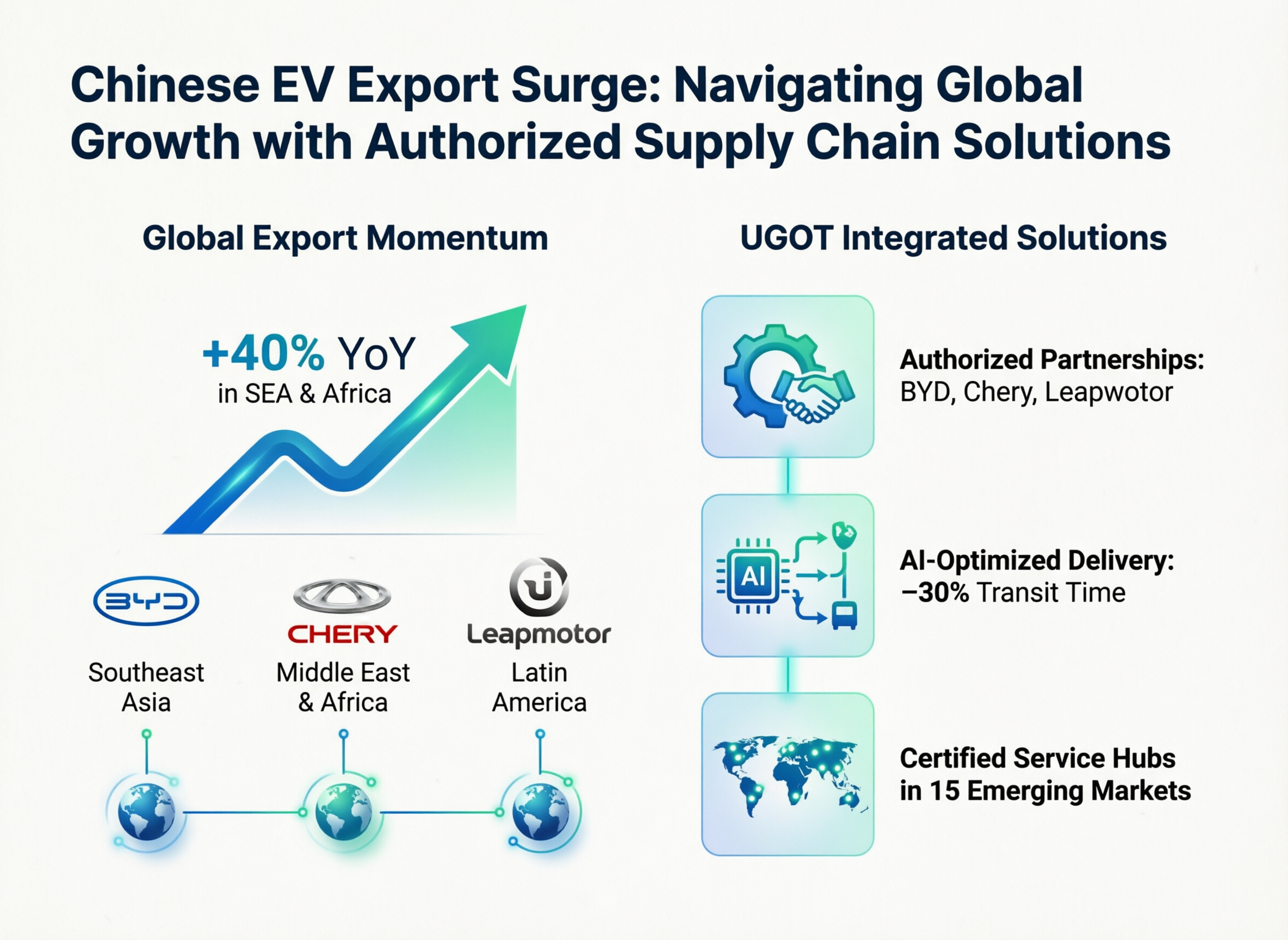 Chinese EV Export Surge: Navigating Global Growth with Authorized Supply Chain Solutions
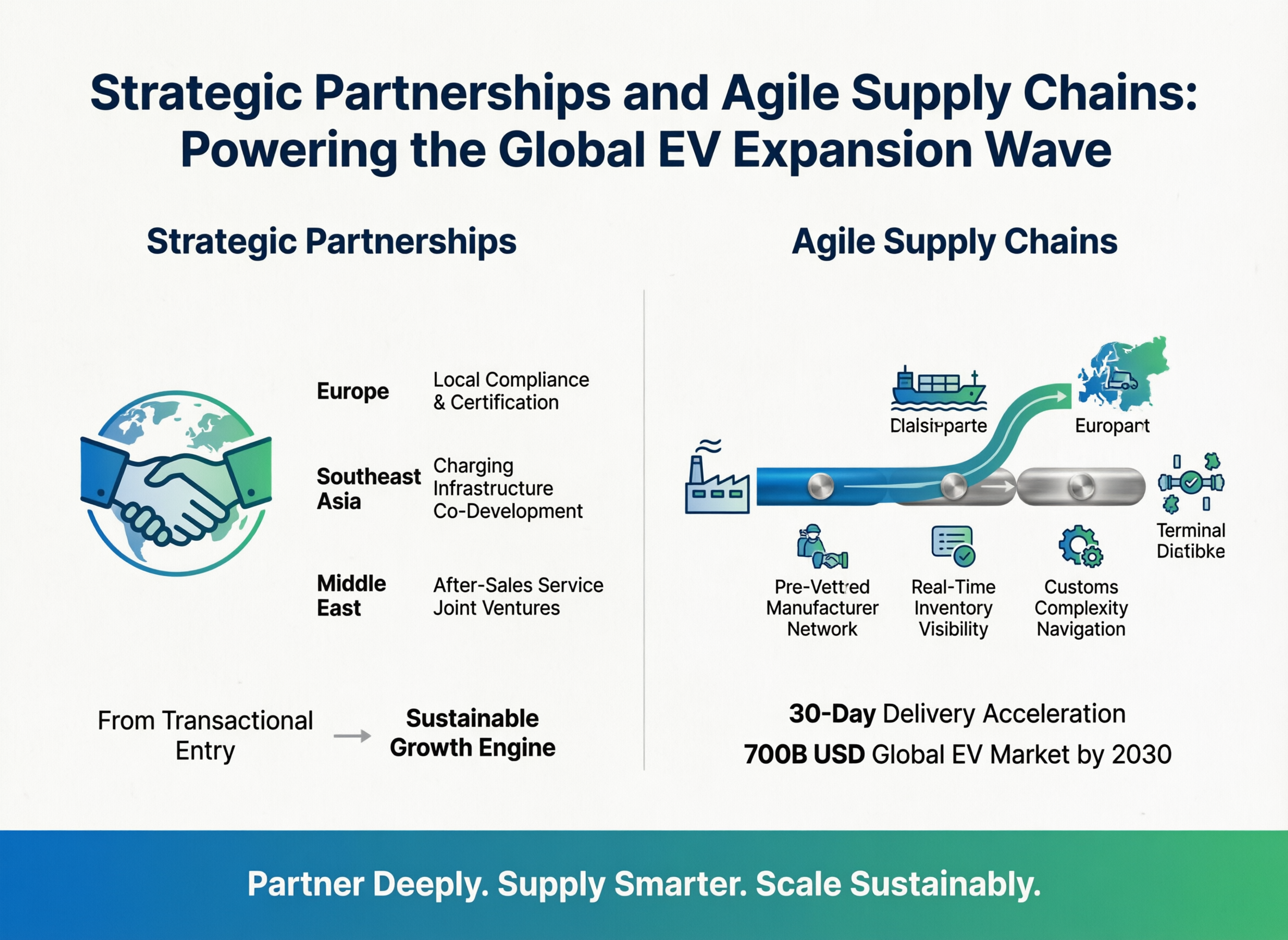 Strategic Partnerships and Agile Supply Chains: Powering the Global EV Expansion Wave
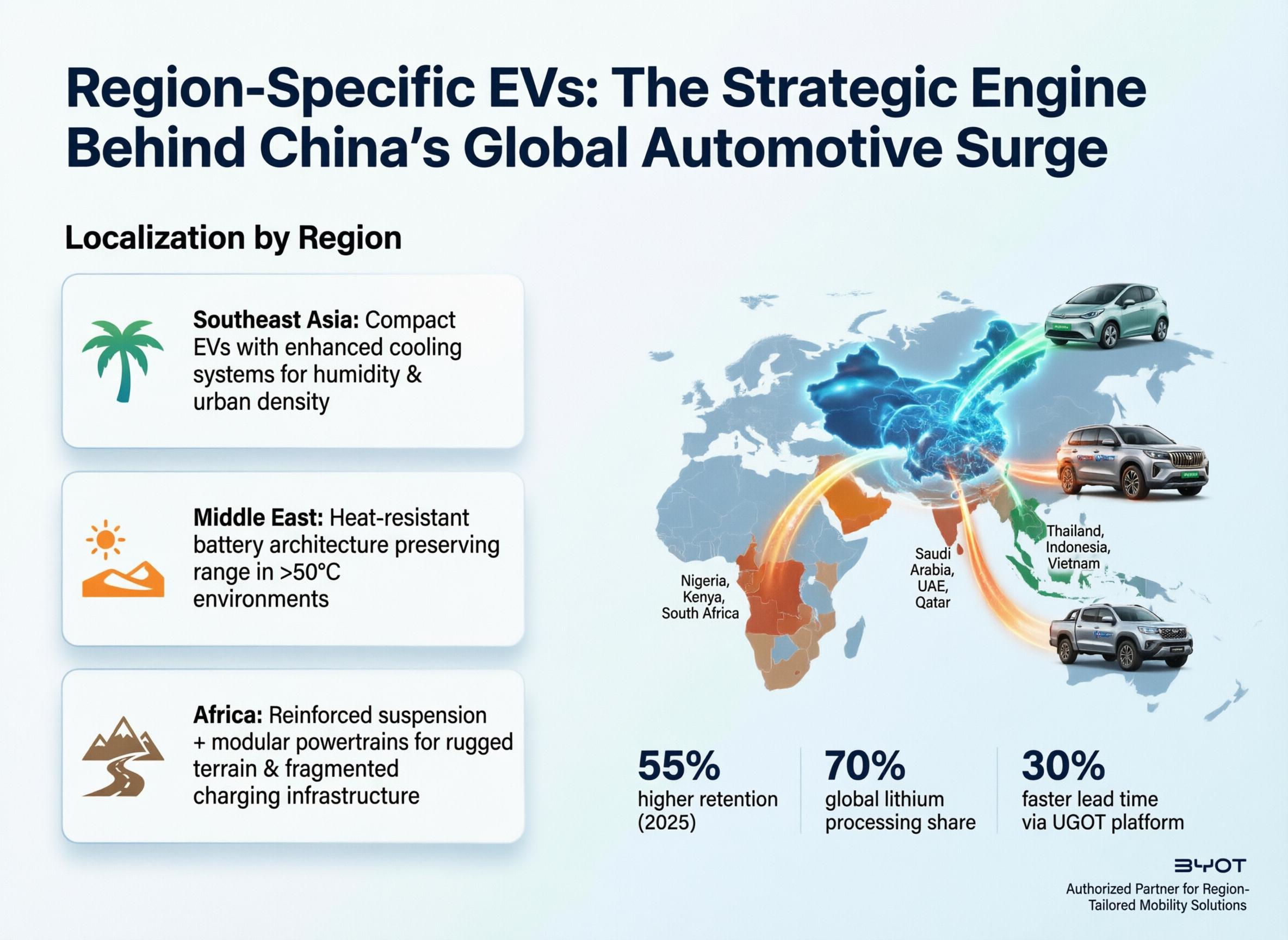 Region-Specific EVs: The Strategic Engine Behind China’s Global Automotive Surge