
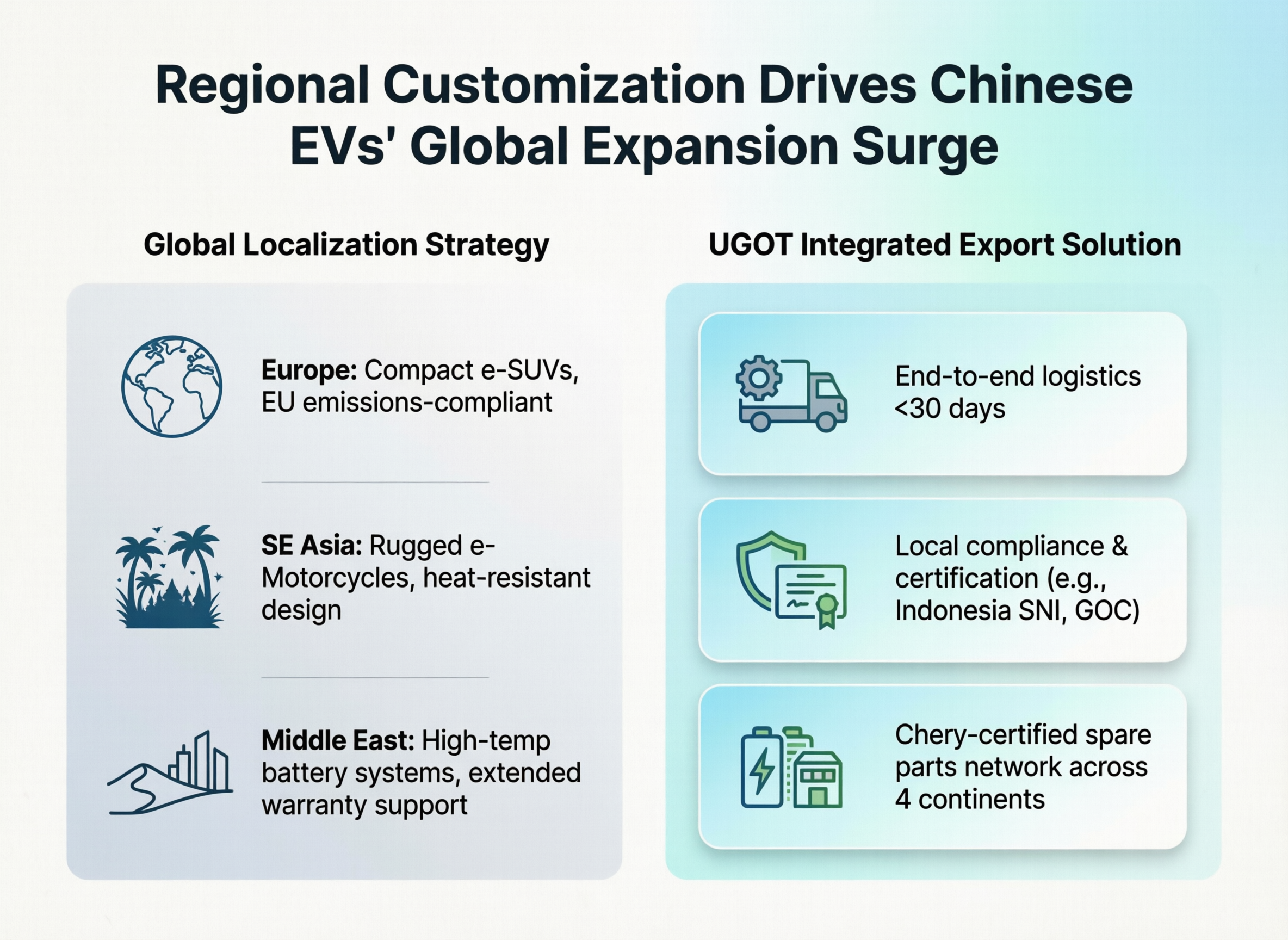
Regional Customization Drives Chinese EVs’ Global Expansion Surge
Introduction
The global automotive landscape is undergoing a seismic shift, with Chinese automakers at the forefront of a strategic pivot toward region-specific vehicle development. As highlighted in recent industry reports, companies like BYD and Changan are accelerating efforts to tailor models—such as compact electric SUVs for European urban environments or rugged e-motorcycles for Southeast Asian terrain—to capture market share and overcome entry barriers. This ‘Yaris Moment,’ inspired by Toyota’s localized success with the Yaris in Europe, underscores a broader trend: global growth is no longer about exporting generic products but adapting to regional regulations, consumer preferences, and sustainability demands. With electric vehicle (EV) exports surging by over 40% year-on-year, this localization imperative is reshaping competitive dynamics across emerging and developed markets alike.
Deep Dive: Trends Reshaping Automotive Export Strategies
Chinese manufacturers are leveraging data-driven insights to refine their global playbooks. For instance, in Europe, stringent emissions standards and consumer affinity for smaller, efficient EVs have spurred the development of bespoke models that prioritize range optimization and digital connectivity. Meanwhile, in high-growth regions like Southeast Asia and the Middle East, demand centers on affordability, durability, and after-sales support—factors that necessitate not just product adaptation but integrated supply chain resilience. The ‘Yaris Moment’ analogy is apt: just as Toyota’s localized approach reduced market friction in the 2000s, today’s Chinese EV pioneers are investing heavily in R&D partnerships and regulatory compliance frameworks to preempt hurdles. This shift is amplified by the green transition; over 60% of China’s auto exports now comprise new energy vehicles (NEVs), signaling a structural realignment where sustainability and customization converge to drive volume. However, challenges persist. Fragmented logistics, volatile component sourcing, and post-sale service gaps threaten scalability, particularly in Africa and Latin America, where infrastructure limitations amplify the need for agile, end-to-end solutions.
Bridging the Gap: Integrated Export Solutions for Sustainable Growth
Amid these complexities, the industry requires partners that transcend transactional relationships to enable seamless market entry. UGOT, as an authorized export partner for leading brands like BYD and Chery, addresses this through its Global Vehicle and Spare Parts Export Solution. This end-to-end service leverages a professional team with deep regional expertise, a stable supply chain anchored by partnerships with suppliers like Bosch, and mature distribution channels across Southeast Asia, the Middle East, Africa, and South America. For example, when a client targets Indonesia’s booming EV market, UGOT rapidly deploys customized electric SUVs compliant with local safety standards, paired with guaranteed spare parts availability—such as Chery-certified batteries—ensuring minimal downtime. The solution’s core strength lies in its ‘green sustainability’ package: fast delivery timelines (under 30 days for key markets), transparent compliance management, and dedicated after-sales networks that transform high-volume exports into reliable, long-term customer relationships. By absorbing logistical and regulatory burdens, UGOT empowers automakers to focus on innovation while confidently scaling in volatile regions.
Conclusion: Accelerating a Connected, Sustainable Future
As regional customization becomes the cornerstone of global automotive strategy, the convergence of EV technology and localized execution will define the next decade of growth. UGOT’s commitment to robust, adaptable export infrastructure positions it as a catalyst for this evolution—turning market-specific challenges into opportunities for shared prosperity. By prioritizing resilience and sustainability, we not only support our partners’ expansion ambitions but also contribute to a more equitable, low-carbon mobility ecosystem worldwide. The road ahead demands collaboration; together, we can drive the industry toward a future where every region’s unique needs fuel collective progress.
Related Posts
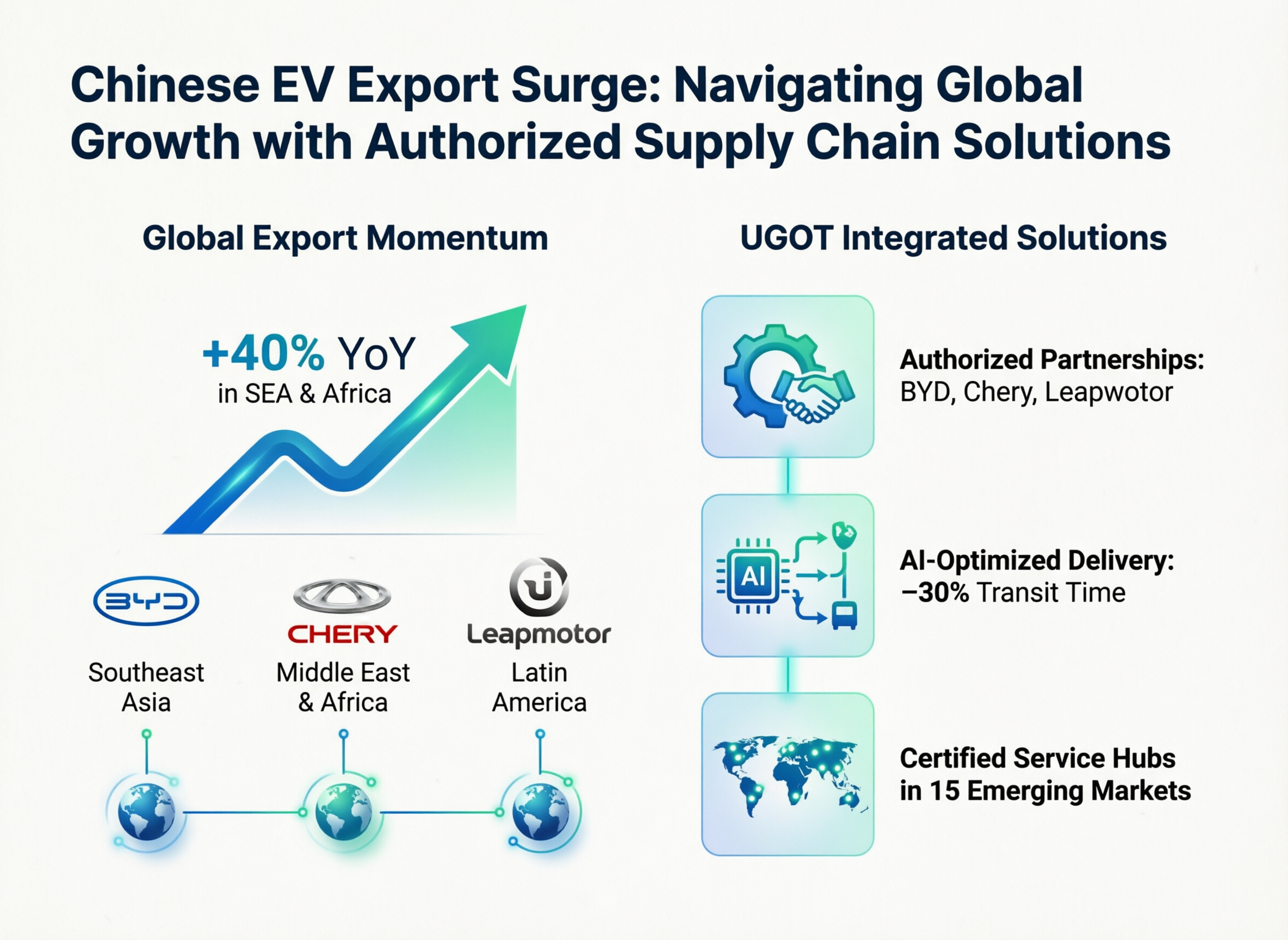 Chinese EV Export Surge: Navigating Global Growth with Authorized Supply Chain Solutions
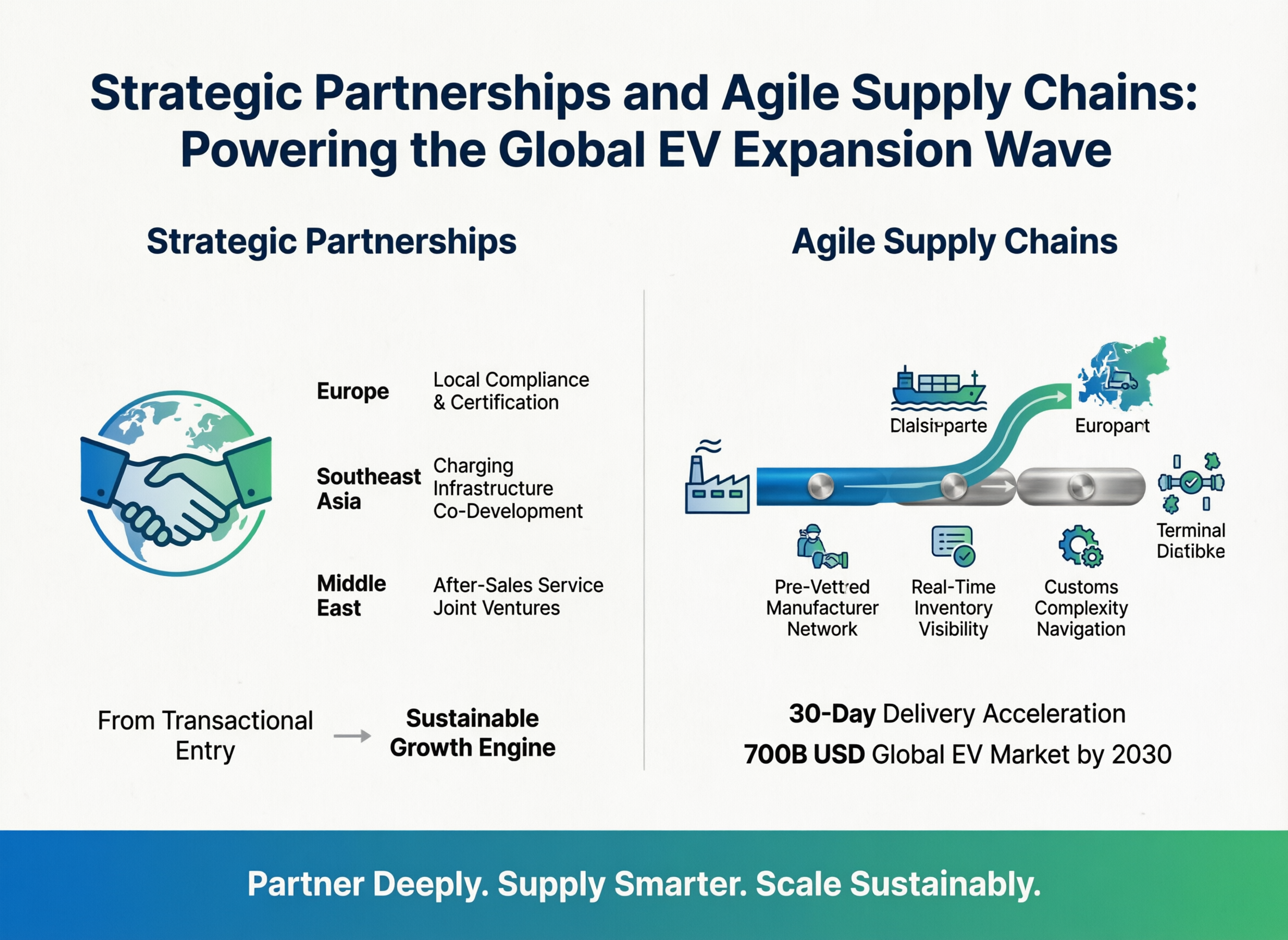 Strategic Partnerships and Agile Supply Chains: Powering the Global EV Expansion Wave
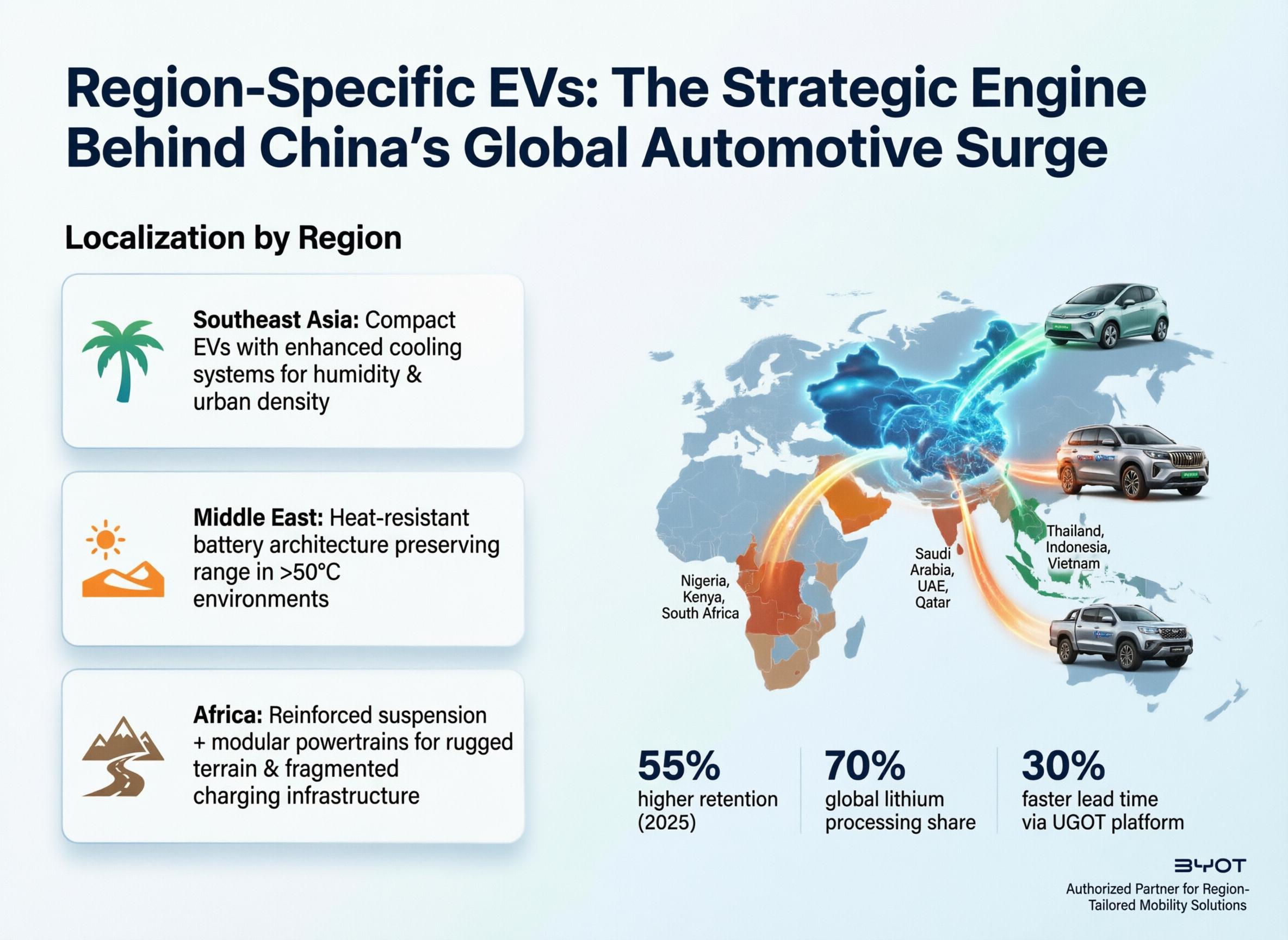 Region-Specific EVs: The Strategic Engine Behind China’s Global Automotive Surge