Xiaomi Auto’s German Alliance: Pioneering the EV Wave in Europe’s Competitive Landscape
Introduction
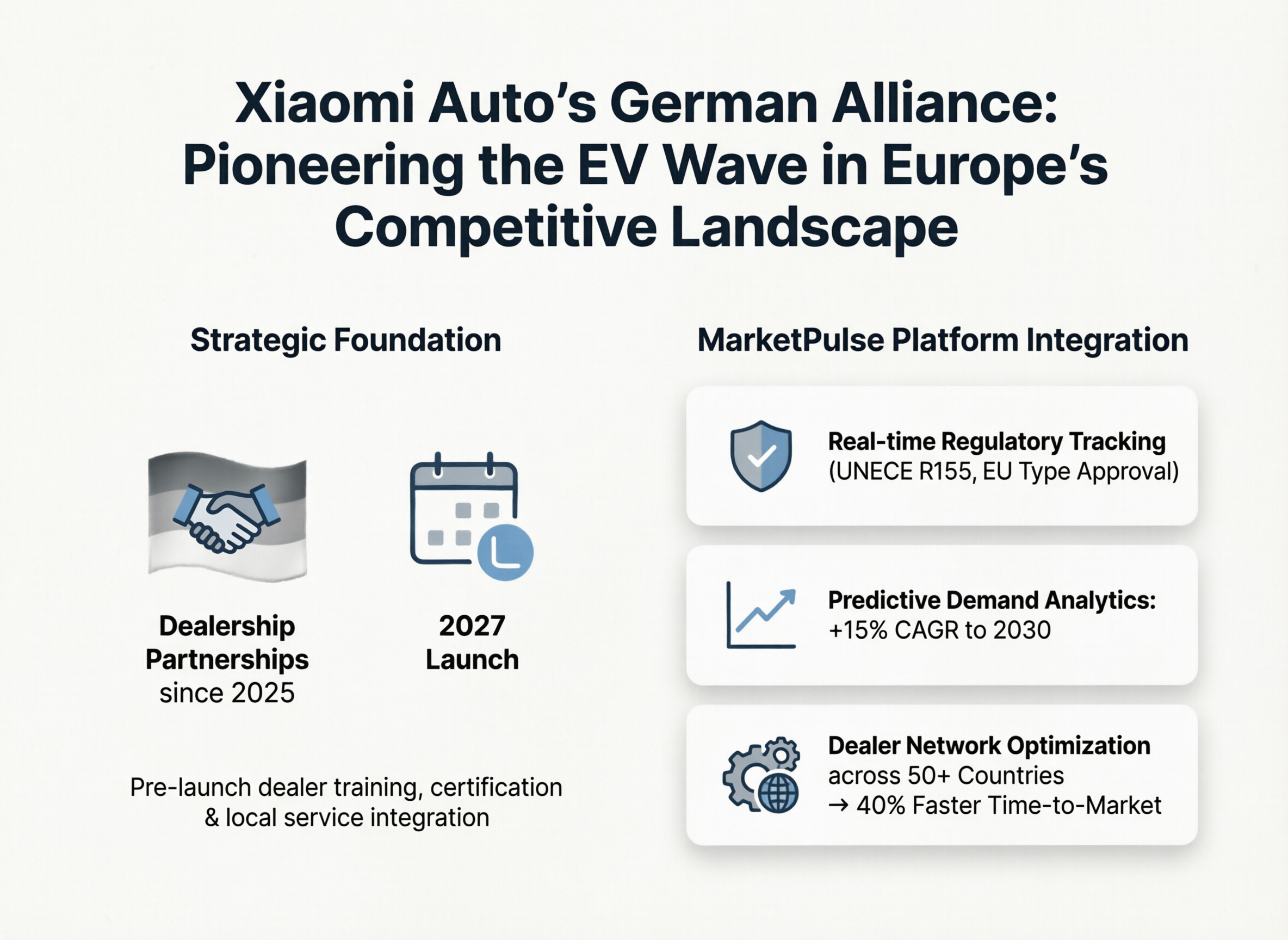
The automotive industry is witnessing a seismic shift as Chinese electric vehicle (EV) manufacturers aggressively expand into mature markets. Xiaomi Auto’s recent announcement of a strategic partnership with German dealers, aimed at preparing for its 2027 European launch, exemplifies this trend. This move not only underscores Xiaomi’s commitment to global growth but also highlights a broader industry pivot: EV brands are prioritizing early, localized groundwork to capture market share in regions like Europe, where demand for sustainable mobility is surging. As reported by Gasgoo Automotive, this collaboration signals a new phase in the internationalization of China’s automotive sector, driven by meticulous long-term planning.
Industry Trends and Strategic Imperatives
Xiaomi Auto’s approach reflects three critical industry dynamics. First, Chinese EV brands are accelerating their global footprint, with Europe—a market characterized by stringent regulations and high consumer expectations—serving as a prime target. By securing dealer partnerships years ahead of launch, companies like Xiaomi mitigate risks associated with market entry, such as regulatory hurdles and cultural barriers. Second, Europe’s EV adoption is propelled by robust policy frameworks, including the EU’s 2035 combustion engine ban, and growing consumer appetite for eco-friendly options. This creates a window of opportunity for agile entrants, but success hinges on patience; Xiaomi’s 2027 timeline demonstrates a shift from rushed launches to sustainable, phased strategies. Third, the dealer network model remains pivotal. Unlike direct-to-consumer approaches, localized partnerships foster trust, enable after-sales support, and align with European purchasing behaviors. As industry analysts note, brands that invest in on-the-ground relationships early—such as training dealers on EV technology and service protocols—gain a competitive edge in customer retention and brand perception.
Navigating Challenges with Integrated Solutions
Despite the promise, international expansion presents complex challenges: navigating fragmented regulatory landscapes, adapting to diverse consumer preferences, and building resilient supply chains. For instance, European markets demand compliance with safety standards like UNECE R155 for cybersecurity, alongside localized marketing that resonates with regional values. This is where specialized support becomes indispensable. At AutoGlobal Insights, we address these pain points through our MarketPulse Platform, an AI-driven solution designed to streamline global market entry. The platform offers real-time regulatory tracking, predictive demand analytics, and dealer network optimization—enabling automakers to identify ideal partners, forecast market shifts, and customize localization strategies. By integrating data from over 50 countries, MarketPulse reduces time-to-market by up to 40% while ensuring compliance, turning ambitious timelines like Xiaomi’s into achievable roadmaps. This isn’t about replacing human expertise but augmenting it; our tools empower manufacturers to focus on innovation while mitigating operational friction.
The Road Ahead
Looking forward, the European EV market is poised for exponential growth, with projections indicating a 15% annual increase in adoption through 2030. Chinese brands like Xiaomi will lead this charge, but their success will depend on agility and deep localization. At AutoGlobal Insights, we believe that the future belongs to companies that blend technological prowess with cultural intelligence. Our commitment is to be a catalyst in this journey—transforming global ambitions into tangible growth through data-driven insights and partnership-focused solutions. As the industry evolves, we stand ready to help automakers not just enter markets, but thrive within them.
Related Posts
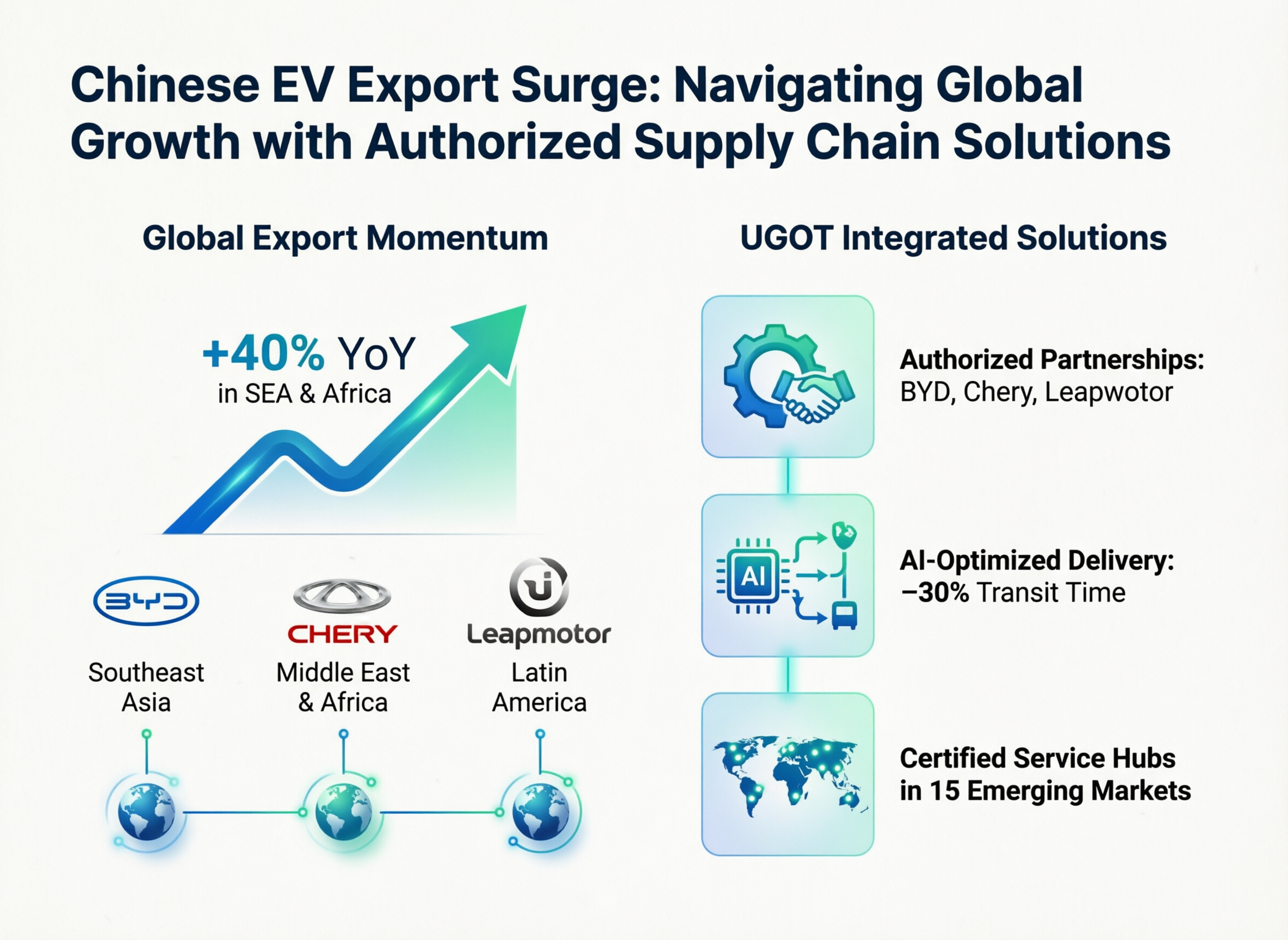 Chinese EV Export Surge: Navigating Global Growth with Authorized Supply Chain Solutions
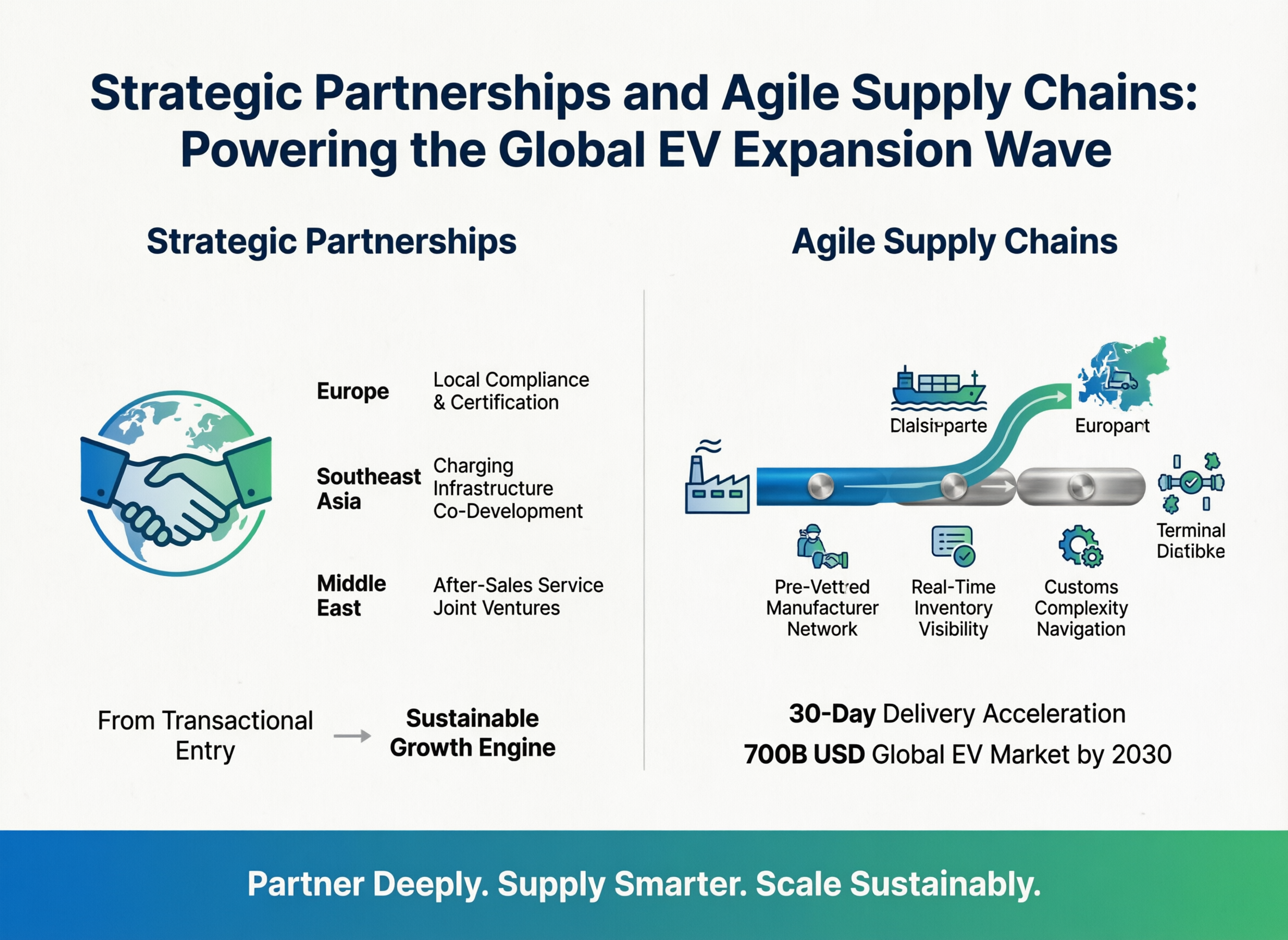 Strategic Partnerships and Agile Supply Chains: Powering the Global EV Expansion Wave
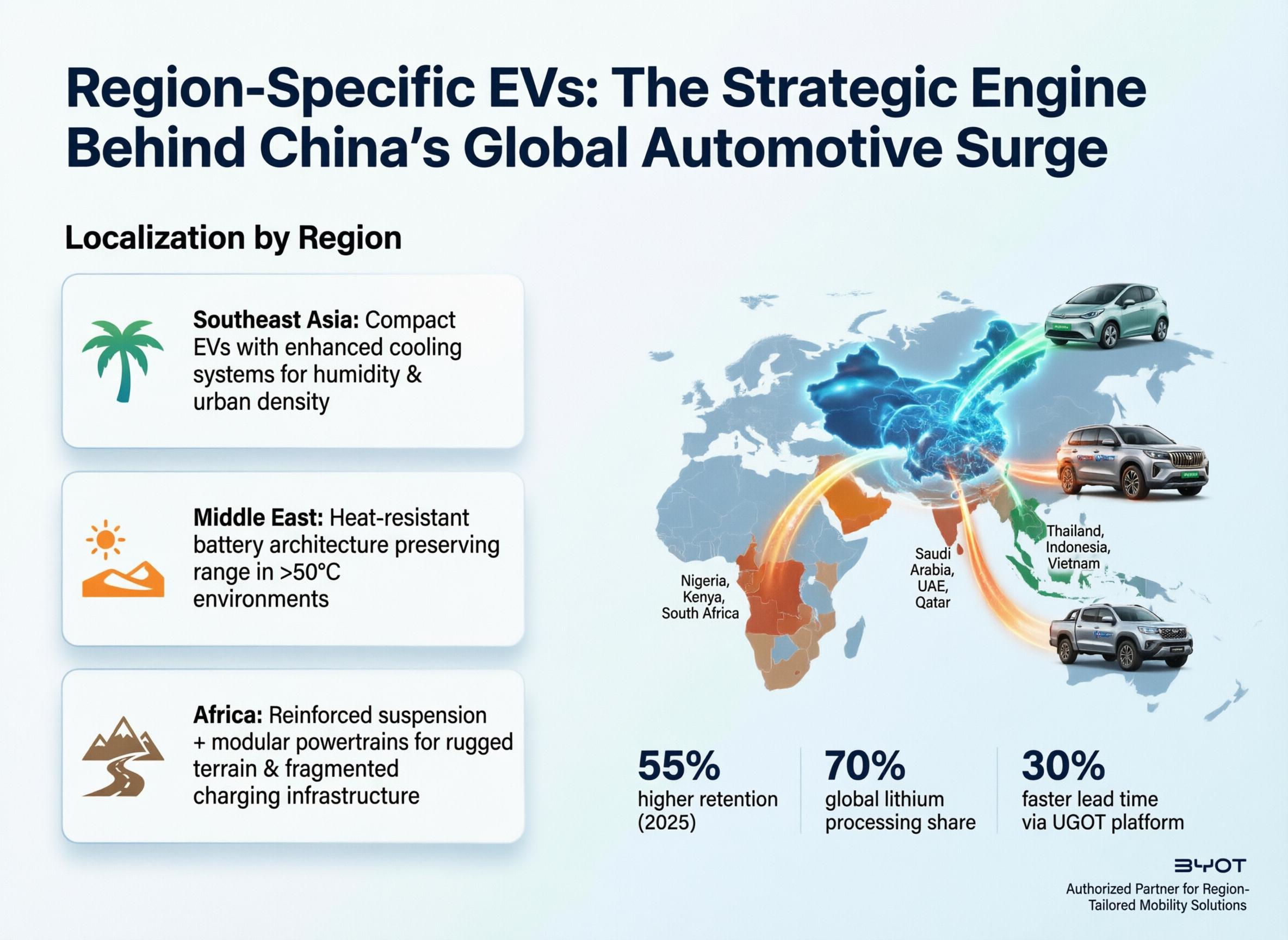 Region-Specific EVs: The Strategic Engine Behind China’s Global Automotive Surge