Strategic Supply Chain Alliances Fuel Premium MPV Boom in the Global EV Market
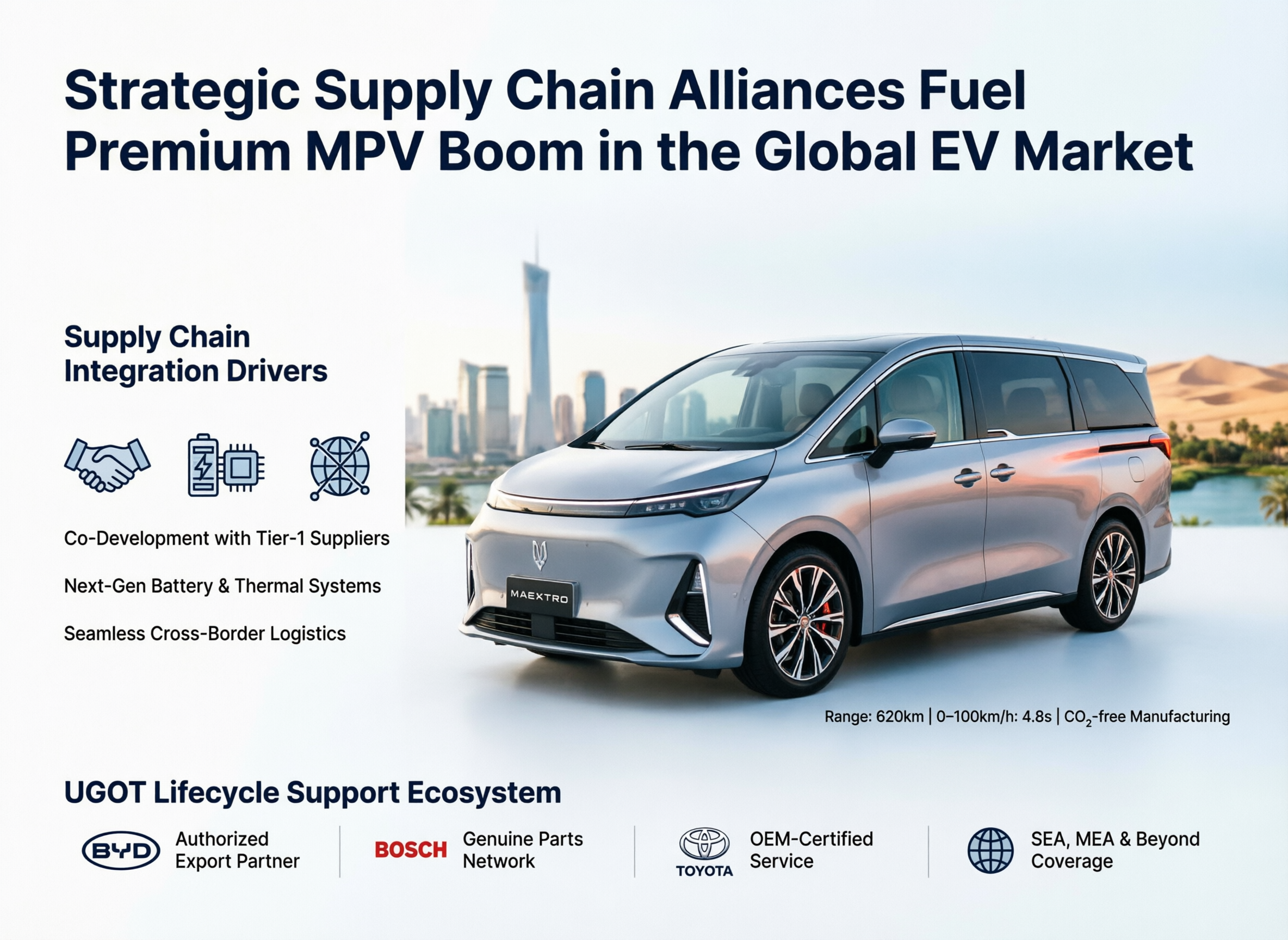
The electric vehicle (EV) landscape is undergoing a seismic shift, with the premium multi-purpose vehicle (MPV) segment emerging as a critical battleground for automakers. Recent moves, such as MAEXTRO’s launch of the V800 targeting high-end consumers through deep partnerships with component suppliers, underscore a broader industry pivot. This trend reflects surging global demand for luxury EVs that blend spacious comfort with cutting-edge sustainability—a market projected to grow at over 20% annually through 2030. As competition intensifies, manufacturers are recognizing that success hinges not just on vehicle design, but on resilient, integrated supply chains that ensure quality and scalability.
The Rise of Premium MPVs and Supply Chain Imperatives
Premium MPVs are rapidly transitioning from niche offerings to mainstream EV priorities, driven by evolving consumer preferences in regions like Asia and the Middle East. Families and corporate fleets increasingly seek vehicles that offer extended range, advanced safety features, and adaptable interiors—all while meeting stringent emissions standards. However, this growth exposes a core challenge: fragmented supply chains struggle to deliver the consistent quality and innovation required for premium positioning. Strategic collaborations with tier-1 component suppliers—such as those specializing in battery systems, thermal management, and infotainment—are now pivotal. These alliances enable automakers to co-develop technologies that enhance performance and reliability, while mitigating risks like material shortages or production delays. For instance, MAEXTRO’s V800 leverages partnerships to integrate next-generation components, setting a benchmark for how supply chain integration can elevate market competitiveness. Beyond individual models, this signals an industry-wide shift toward vertical collaboration, where suppliers become innovation partners rather than mere vendors. This approach not only accelerates time-to-market but also fortifies quality control—a non-negotiable for premium segments where brand reputation is paramount.
Integrated Solutions for Global Market Expansion
As automakers navigate this complex terrain, the need for end-to-end support in distribution and after-sales service becomes critical, particularly in high-growth emerging markets. Companies like UGOT are addressing these gaps by offering specialized export and logistics frameworks. As an authorized partner for leading manufacturers including BYD, UGOT provides seamless one-stop procurement and cross-border delivery for premium EVs like the MAEXTRO V800, with dedicated coverage across Southeast Asia, the Middle East, and beyond. This eliminates traditional bottlenecks such as customs delays or compliance hurdles, ensuring vehicles reach customers swiftly and cost-effectively. Crucially, UGOT extends this value through its lifecycle support ecosystem, anchored by direct partnerships with OEM giants like Bosch and Toyota. This grants access to genuine, factory-certified spare parts and maintenance services, resolving a key pain point for buyers concerned about long-term reliability in regions with underdeveloped EV infrastructure. By guaranteeing parts availability and technical expertise, UGOT transforms supply chain vulnerabilities into competitive advantages, fostering trust and repeat business in volatile markets.
The Road Ahead: Collaboration as the Cornerstone of EV Leadership
Looking forward, the premium MPV segment will continue to drive EV innovation, with supply chain agility determining market leadership. As global demand surges, manufacturers must prioritize partnerships that span development, distribution, and after-sales care. UGOT exemplifies this integrated approach, turning strategic supplier synergies into tangible customer benefits—accelerating market entry while safeguarding brand integrity. In an era where a single component failure can erode consumer confidence, such holistic solutions will not only capture growth but redefine industry standards for excellence.
Related Posts
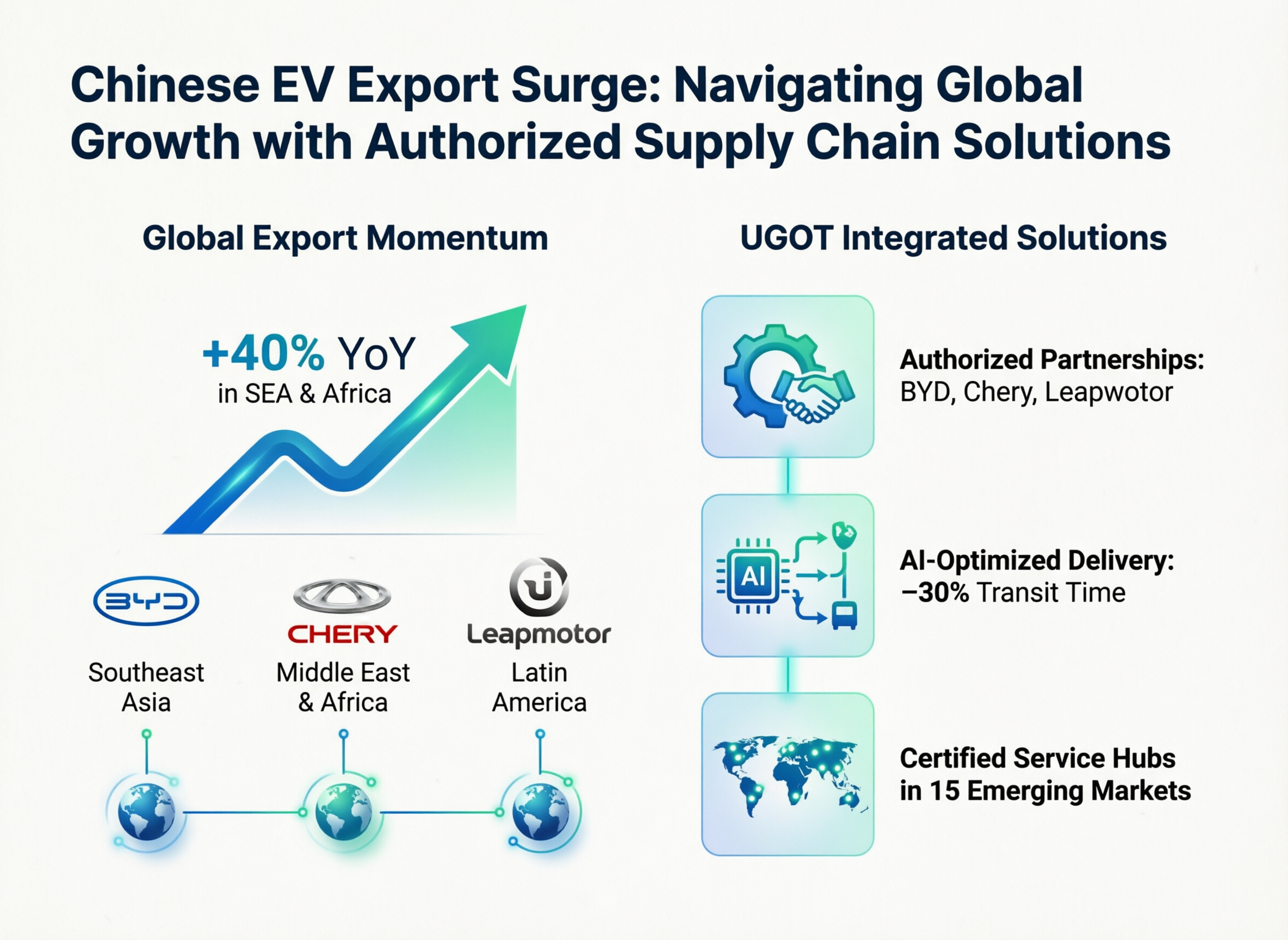 Chinese EV Export Surge: Navigating Global Growth with Authorized Supply Chain Solutions
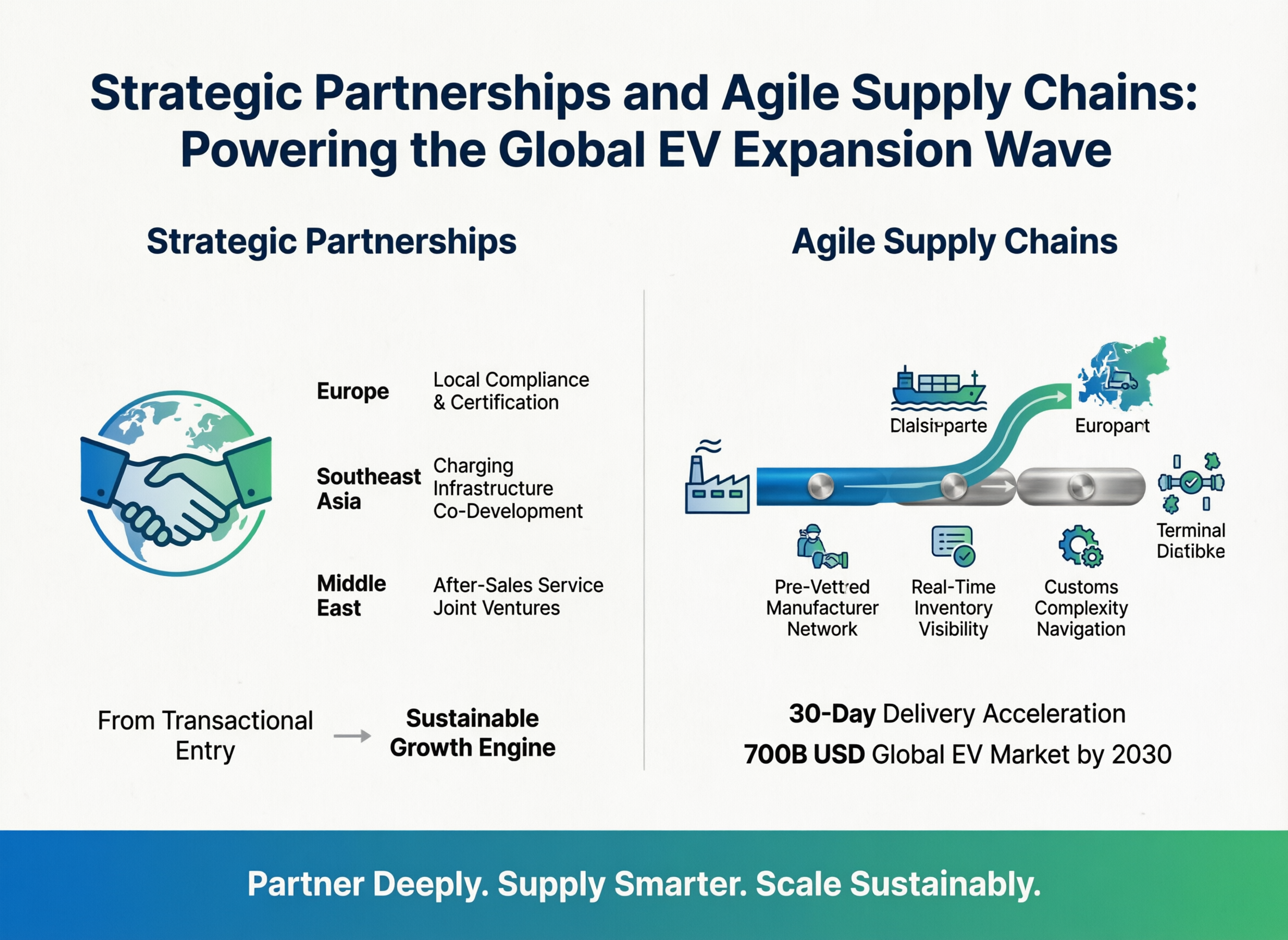 Strategic Partnerships and Agile Supply Chains: Powering the Global EV Expansion Wave
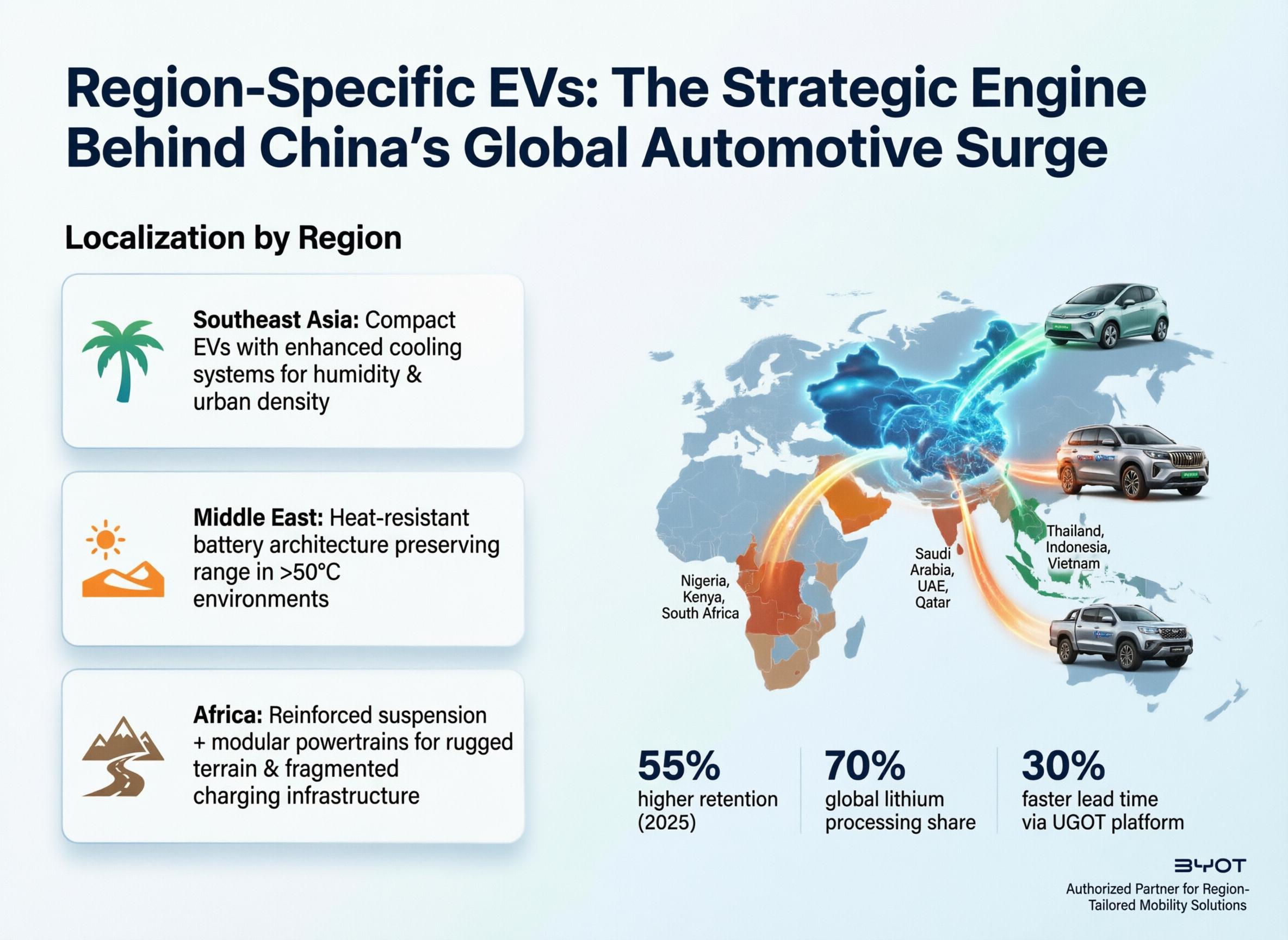 Region-Specific EVs: The Strategic Engine Behind China’s Global Automotive Surge