Strategic Partnerships Fuel EV Expansion: Geely’s Austrian Move and the Road Ahead for Global Automakers
Introduction
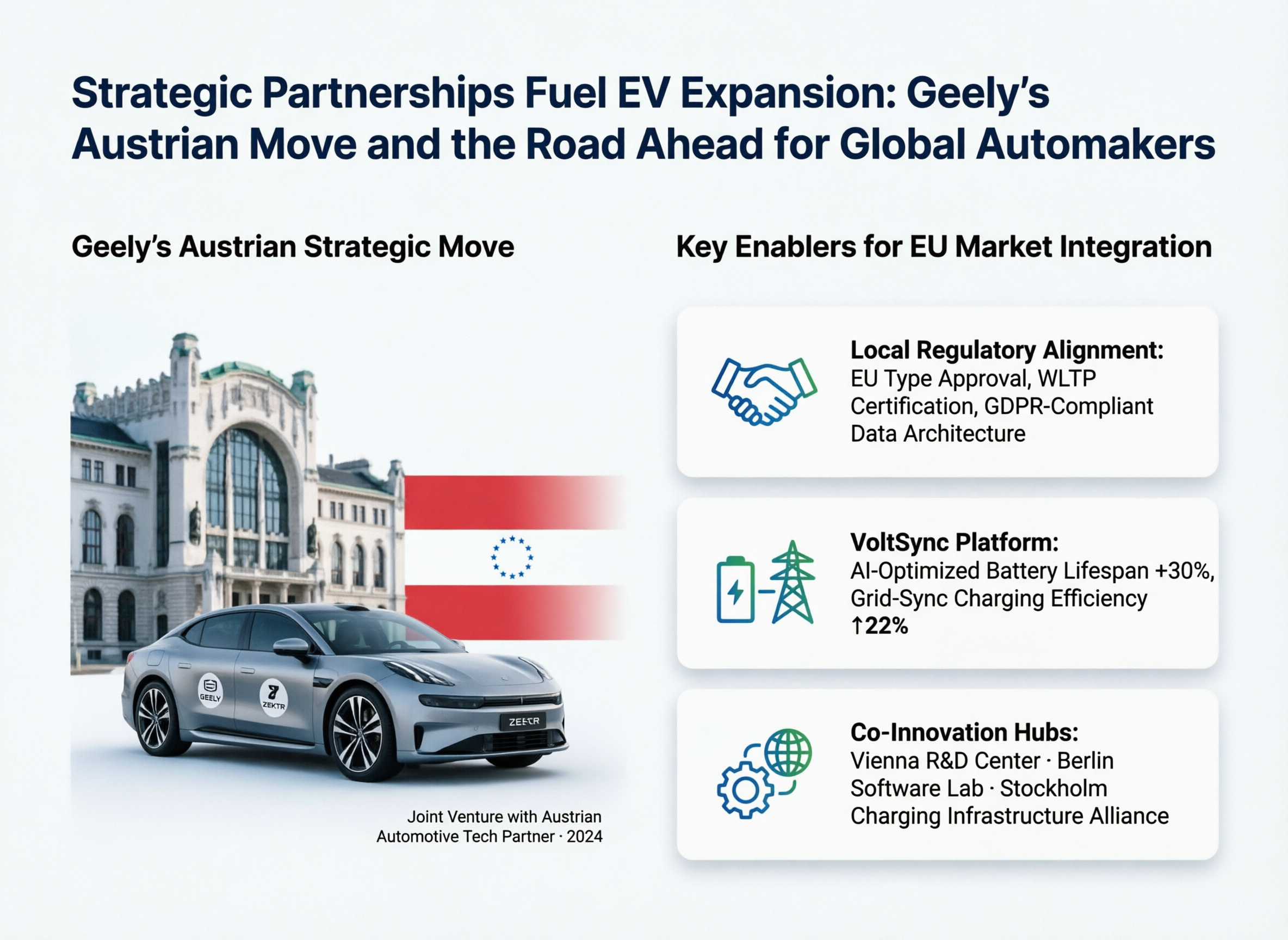
The electric vehicle (EV) landscape is undergoing a seismic shift as Chinese manufacturers accelerate their global footprint. Recent news of Geely’s strategic partnership in Austria exemplifies this trend, marking a significant step in its long-term overseas growth strategy. This move comes amid surging European demand for sustainable mobility, where EV adoption rates are climbing rapidly due to stringent emissions regulations and consumer preference shifts. As automakers navigate complex regulatory environments and competitive pressures, the industry is witnessing a pivot toward localized collaborations to secure market entry—a dynamic that reshapes global automotive strategies.
Industry Trends and Analysis
Geely’s expansion into Austria underscores a broader pattern: Chinese EV giants are leveraging targeted partnerships to penetrate high-barrier markets like Europe. According to industry insights, European EV sales are projected to grow by over 20% annually through 2030, driven by policy tailwinds such as the EU’s Green Deal and infrastructure investments. However, entering this mature market requires more than product quality; it demands deep integration with local ecosystems, including supply chains, service networks, and consumer trust. Strategic alliances—as seen with Geely—mitigate risks like regulatory hurdles and cultural mismatches, offering a blueprint for sustainable growth. This approach highlights a critical industry evolution: global expansion is no longer about unilateral market entry but about co-creating value through shared expertise. For instance, partnerships enable rapid adaptation to regional standards, such as Europe’s rigorous safety certifications, while accelerating innovation cycles in areas like battery technology and smart connectivity.
Solutions for Seamless Market Integration
While partnerships unlock opportunities, they also expose challenges in operational scalability and technological harmonization. EV manufacturers must ensure their vehicles perform optimally across diverse European climates and infrastructures, particularly in energy management and charging efficiency. This is where integrated solutions become pivotal. At NexTech Solutions, our VoltSync Platform addresses these pain points by providing AI-driven battery optimization and grid-integration capabilities. The platform dynamically adjusts energy consumption based on real-time data, extending battery lifespan by up to 30% and reducing downtime—critical for manufacturers scaling operations in fragmented markets like Europe. By embedding such technologies early in expansion strategies, automakers can enhance reliability, cut operational costs, and build consumer confidence without overhauling existing systems. VoltSync’s modular design allows seamless adoption, turning partnership synergies into tangible competitive advantages.
Conclusion
The future of EV expansion lies in agile, partnership-driven models that prioritize local responsiveness alongside global vision. As Geely’s Austrian venture demonstrates, success in Europe hinges on blending strategic alliances with cutting-edge technology. NexTech Solutions remains committed to empowering automakers through innovations like VoltSync, ensuring that growth is not only rapid but also resilient and sustainable. By bridging the gap between ambition and execution, we help shape an electrified future where mobility transcends borders—efficiently, responsibly, and inclusively.
Related Posts
 Chinese EV Export Surge: Navigating Global Growth with Authorized Supply Chain Solutions
 Strategic Partnerships and Agile Supply Chains: Powering the Global EV Expansion Wave
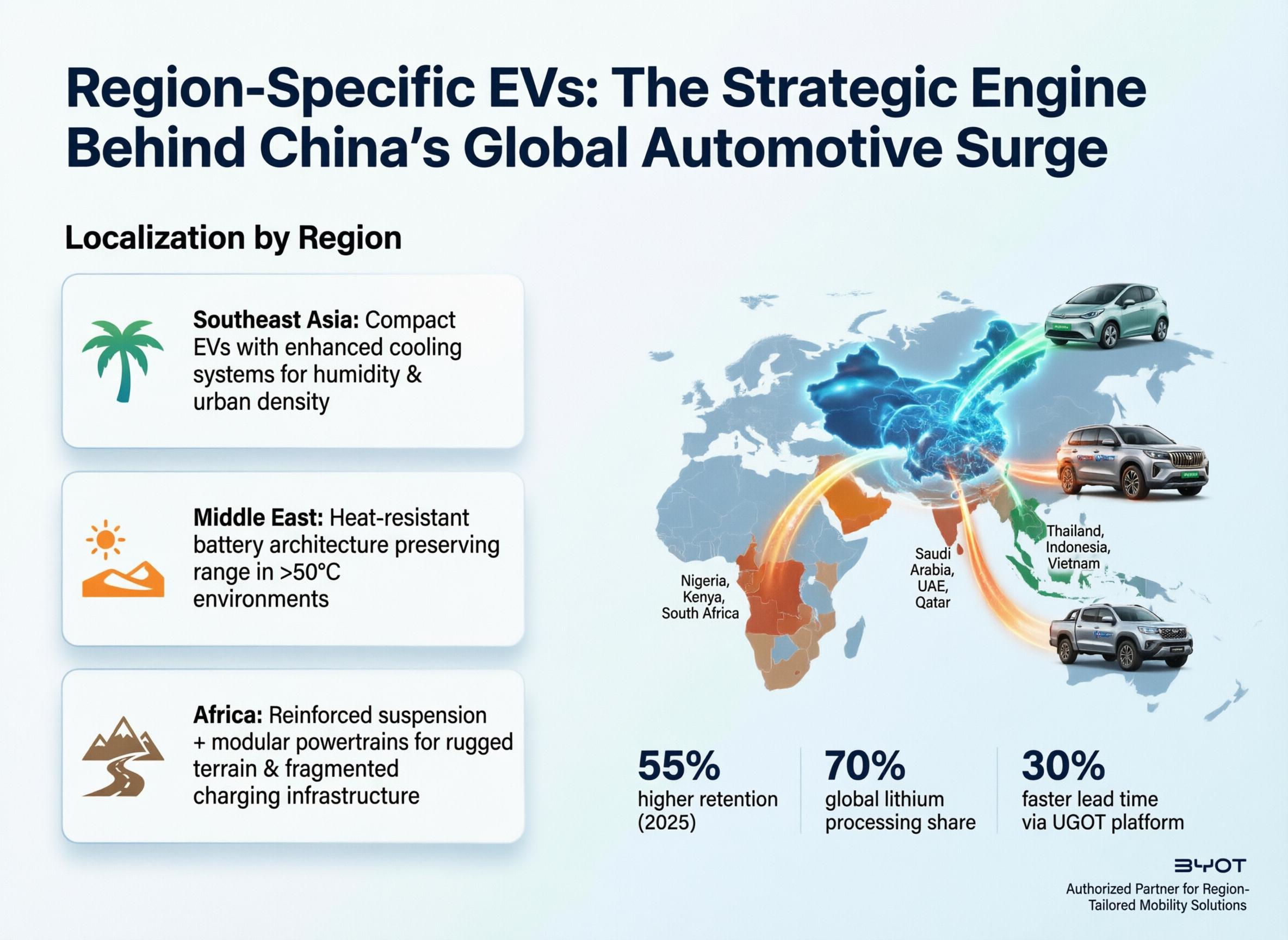 Region-Specific EVs: The Strategic Engine Behind China’s Global Automotive Surge