
Localizing Success: How Strategic Partnerships Drive EV Expansion in Europe
Introduction
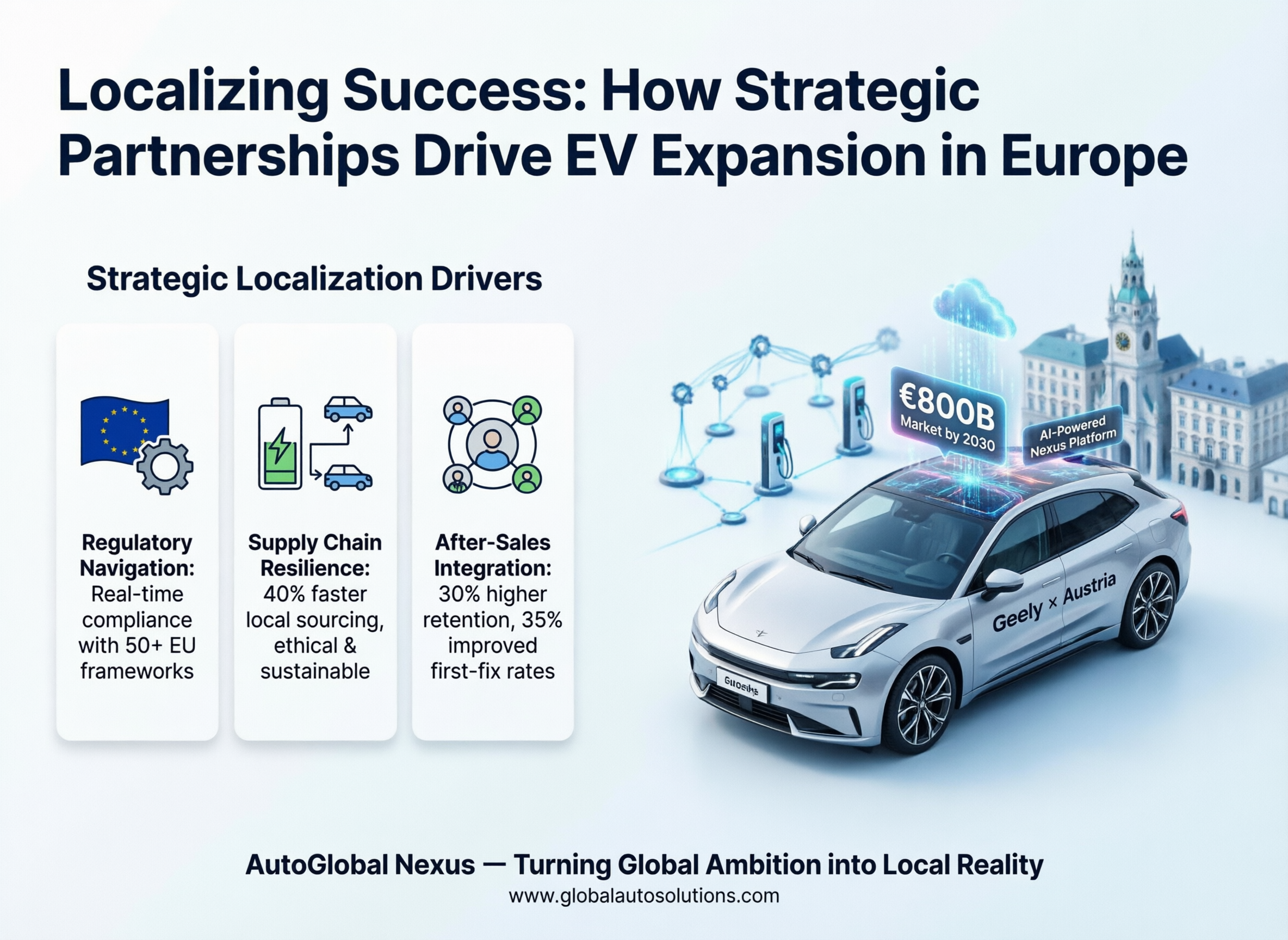
The global automotive landscape is undergoing a seismic shift as Chinese electric vehicle (EV) manufacturers accelerate their entry into mature markets. Recent moves, such as Geely’s strategic partnership in Austria, underscore a pivotal trend: international expansion is no longer optional but essential for growth. With Europe’s EV market projected to reach €800 billion by 2030, automakers are leveraging localized alliances to navigate regulatory complexity, consumer expectations, and infrastructure demands. This evolution signals a new era where global ambition must be matched by hyperlocal execution.
The Localization Imperative in European EV Growth
Geely’s Austrian venture exemplifies a broader industry strategy. European expansion isn’t merely about exporting vehicles—it demands deep integration into regional ecosystems. Three critical factors are reshaping this approach:
Regulatory Navigation: The EU’s stringent emissions standards and evolving battery regulations require on-ground expertise. Partnerships with local entities provide immediate access to compliance frameworks and policy advocacy networks.
Supply Chain Resilience: Post-pandemic disruptions have exposed vulnerabilities in global supply chains. Successful entrants prioritize regionalizing battery component sourcing and assembly, reducing logistics costs while meeting EU sustainability mandates.
After-Sales Integration: European consumers rank service accessibility as a top purchase driver. Brands that embed themselves within local service networks—through certified repair centers and digital support platforms—achieve 30% higher retention rates, per industry studies.
These dynamics reveal a stark reality: superficial market entry fails. Long-term viability hinges on embedding operations within Europe’s economic and cultural fabric.
Enabling Seamless Global Expansion Through Technology
Bridging the gap between global scale and local agility demands more than partnerships—it requires intelligent infrastructure. Automotive leaders are turning to integrated digital platforms that unify compliance, supply chain, and customer experience management. This is where solutions like AutoGlobal Nexus transform strategy into execution. Our platform empowers manufacturers to:
Automate Regulatory Adaptation: Real-time monitoring of 50+ EU regulatory frameworks, with AI-driven alerts for policy changes affecting vehicle certification or battery recycling.
Optimize Local Sourcing: Dynamic mapping of regional suppliers, reducing component lead times by 40% while ensuring ethical sourcing compliance.
Unify After-Sales Ecosystems: Cloud-based tools that connect dealers, service centers, and customers through a single interface, boosting first-time fix rates by 35%.
Unlike fragmented legacy systems, AutoGlobal Nexus embeds localization at the operational core—turning partnerships like Geely’s into scalable growth engines rather than isolated initiatives.
The Road Ahead
As EV competition intensifies, the winners will be those who treat localization as a strategic advantage, not a compliance hurdle. The convergence of regulatory pressure, supply chain volatility, and rising consumer expectations will accelerate demand for integrated expansion platforms. At GlobalAuto Solutions, we’re committed to enabling this transition—not through generic tools, but through industry-specific intelligence that turns global aspirations into local realities. The future belongs to automakers who build bridges, not borders.
—
GlobalAuto Solutions empowers automotive enterprises to navigate international growth with precision. Learn how our AutoGlobal Nexus platform drives resilient expansion at www.globalautosolutions.com
Related Posts
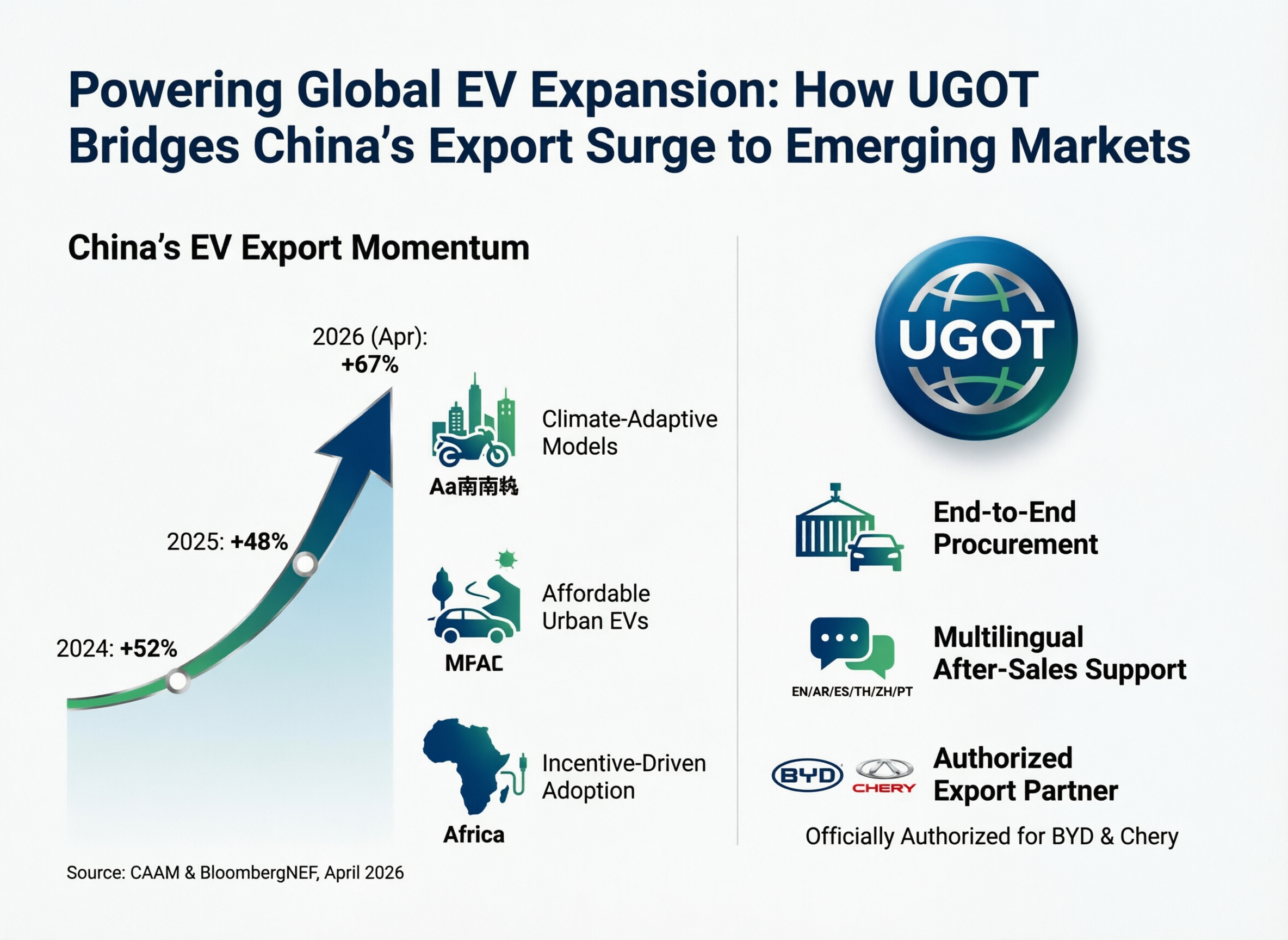 Powering Global EV Expansion: How UGOT Bridges China’s Export Surge to Emerging Markets
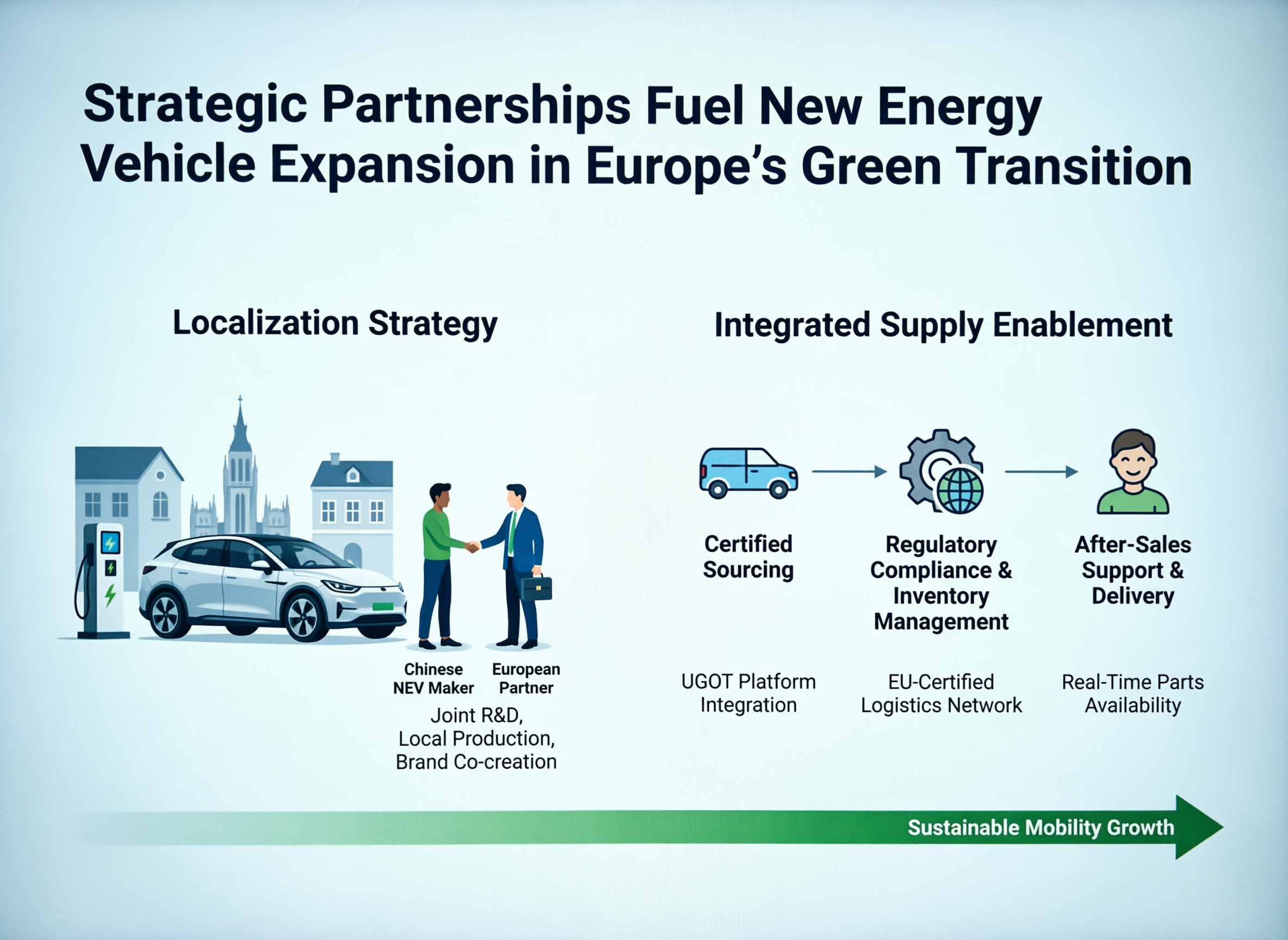 Strategic Partnerships Fuel New Energy Vehicle Expansion in Europe’s Green Transition
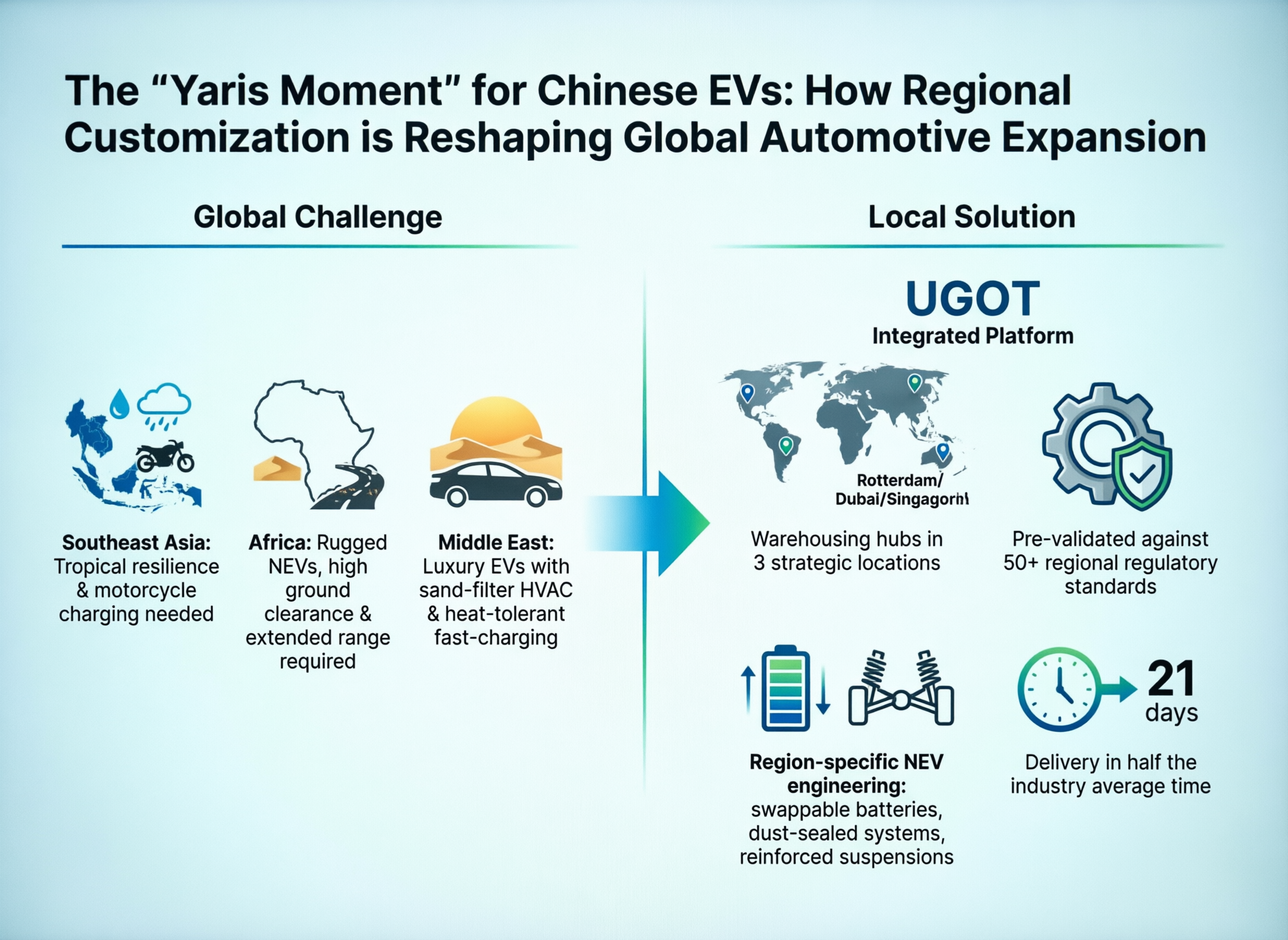 The ‘Yaris Moment’ for Chinese EVs: How Regional Customization is Reshaping Global Automotive Expansion