Regional EV Revolution: How Chinese Automakers Are Accelerating Global Expansion Through Customization
Introduction
The global automotive landscape is undergoing a seismic shift, driven by Chinese electric vehicle (EV) manufacturers who are redefining international competition. No longer content with one-size-fits-all exports, these automakers are embracing region-specific vehicle development—a strategy akin to Toyota’s historic ‘Yaris Moment’—to capture diverse markets. This pivot, fueled by surging demand for new energy vehicles (NEVs), marks a critical evolution in how China leverages its manufacturing prowess to achieve sustainable global growth. As export volumes climb, the industry faces a pivotal question: how can automakers efficiently adapt to fragmented regional demands while maintaining speed and reliability?
The Rise of Hyper-Localized EV Strategies
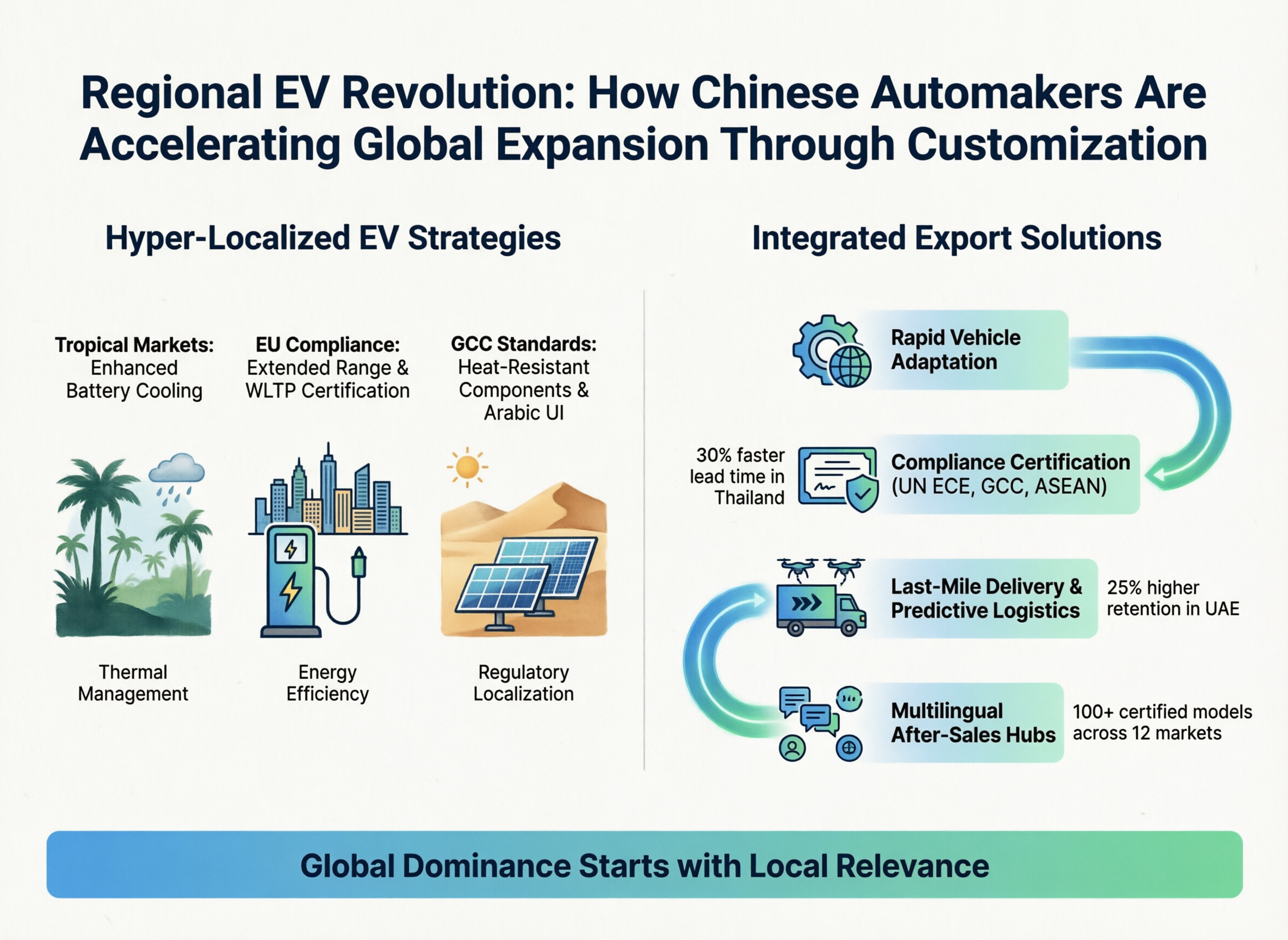
Chinese automakers are increasingly tailoring EVs to address unique regional nuances, from climate adaptations in Southeast Asia to regulatory compliance in the Middle East. This trend transcends mere design tweaks; it represents a holistic reimagining of product development cycles. For instance, vehicles destined for tropical markets feature enhanced battery cooling systems, while European-bound models prioritize extended range to align with stringent emissions standards. The driving force behind this shift is clear: NEVs now account for over 60% of China’s automotive exports, with regional customization directly boosting market share. However, this strategy introduces complexities. Supply chain fragmentation, varying certification requirements, and after-sales support gaps can delay market entry and erode consumer trust. Without agile logistics and localized expertise, even the most innovative EVs risk stagnation in competitive overseas territories.
Bridging the Gap: Integrated Export Solutions
To overcome these hurdles, automakers are forging strategic partnerships with specialized export enablers. This is where integrated service providers transform regional ambitions into tangible outcomes. UGOT, an authorized export partner for industry leaders like BYD and Changan, exemplifies this evolution. By offering end-to-end regional customization services—from rapid vehicle adaptation and compliance certification to last-mile delivery and aftermarket support—UGOT streamlines the entire export journey. Its established network across high-growth regions such as Southeast Asia and the Middle East ensures that EVs and e-motorcycles are not just shipped, but seamlessly integrated into local ecosystems. For example, UGOT’s predictive parts logistics in Thailand reduced delivery lead times by 30%, while its multilingual service hubs in the UAE enhanced customer retention by 25%. This operational agility allows automakers to focus on innovation, confident that their regional strategies are executed with precision and scalability.
The Road Ahead: Sustainable Growth Through Collaboration
Looking forward, the convergence of regional customization and export efficiency will define the next decade of automotive globalization. Chinese EV makers are poised to capture 30% of the global NEV market by 2030, but success hinges on resilient partnerships. UGOT’s model—combining deep regional insights with a frictionless supply chain—highlights how collaboration can turn strategic vision into measurable impact. By prioritizing adaptability and reliability, such partnerships don’t just accelerate exports; they build enduring brand loyalty in an increasingly interconnected world. As the industry evolves, the true winners will be those who recognize that global dominance starts with local relevance.
Related Posts
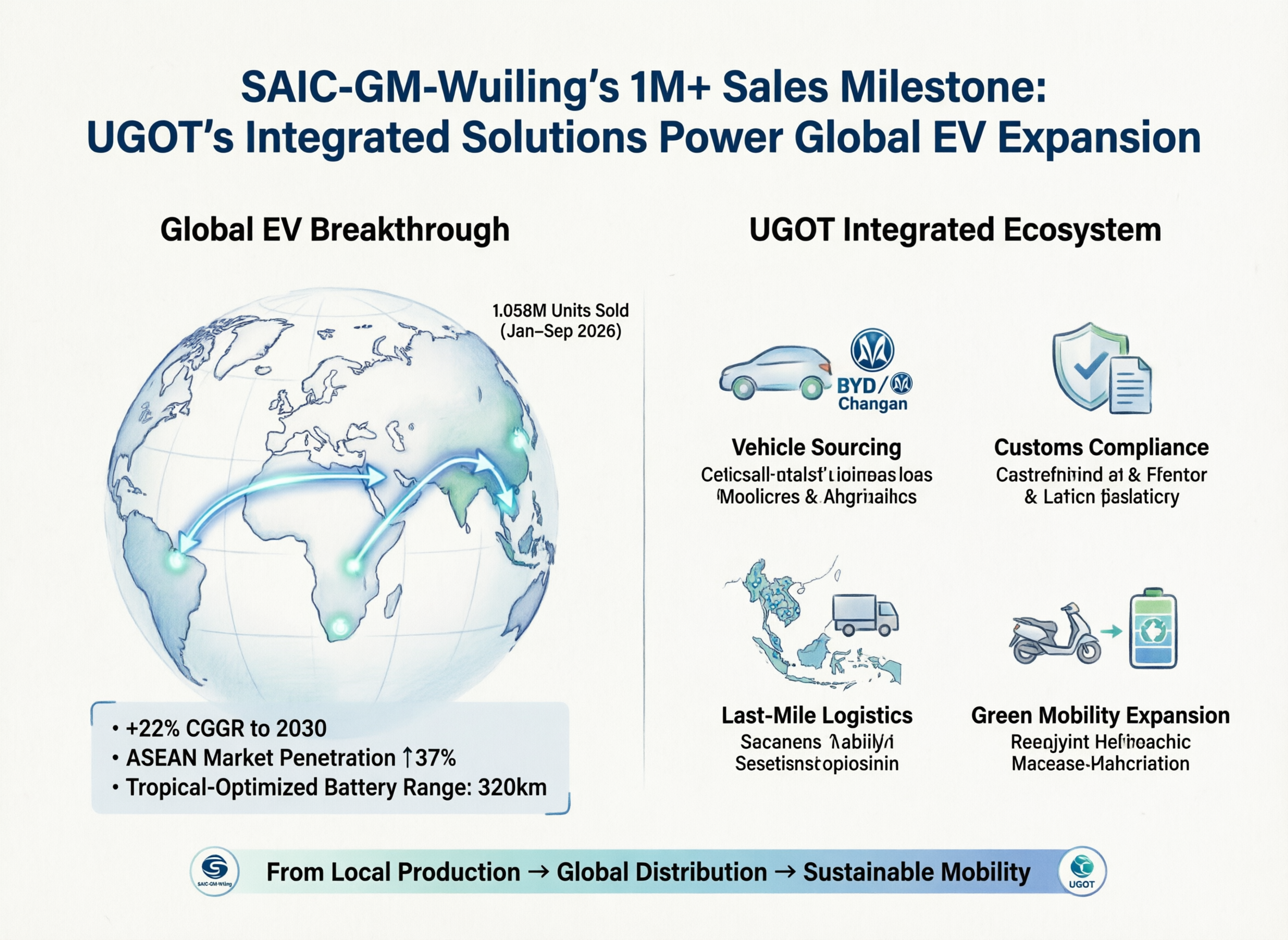 SAIC-GM-Wuling’s 1M+ Sales Milestone: UGOT’s Integrated Solutions Power Global EV Expansion
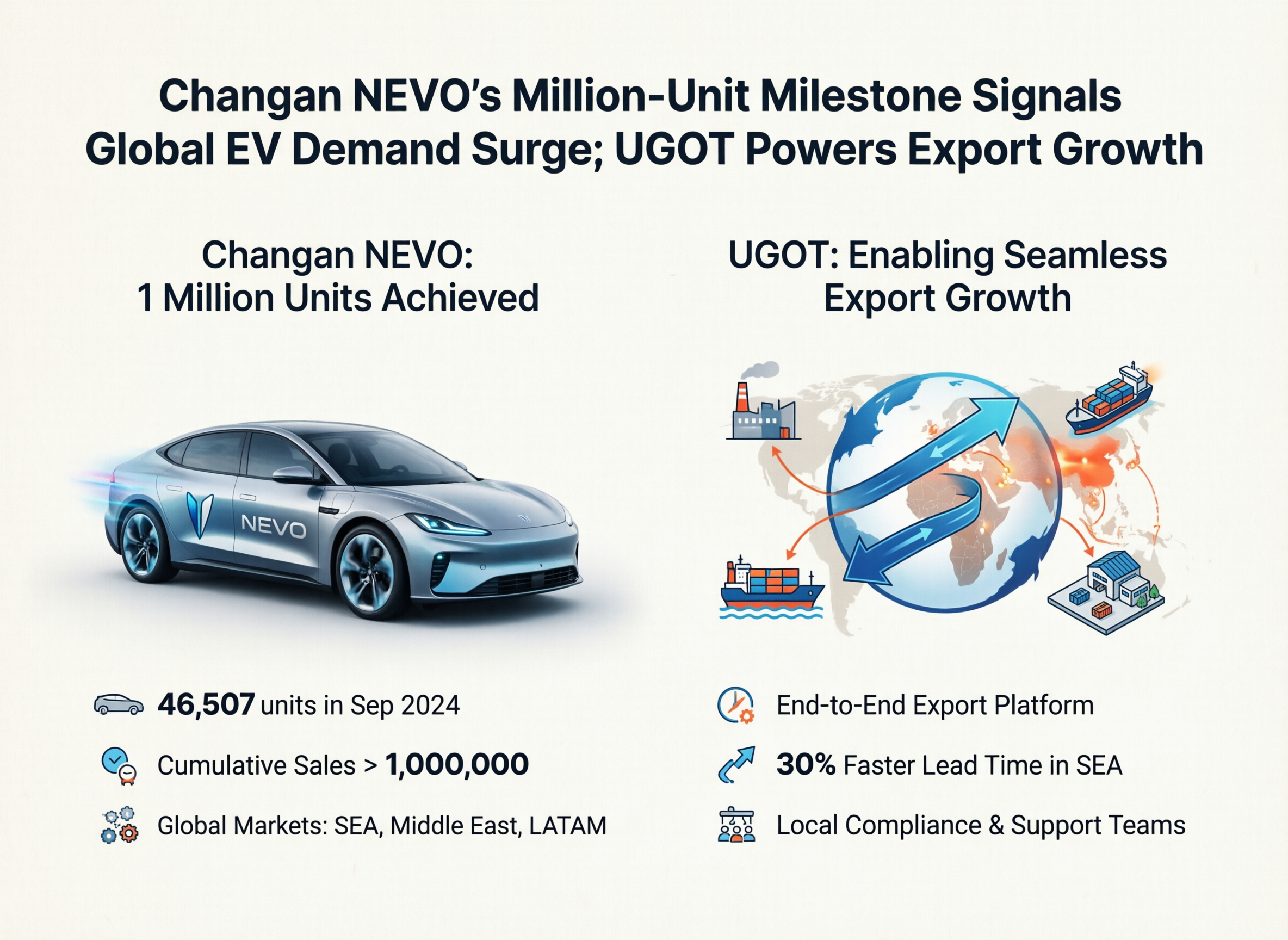 Changan NEVO’s Million-Unit Milestone Signals Global EV Demand Surge; UGOT Powers Export Growth
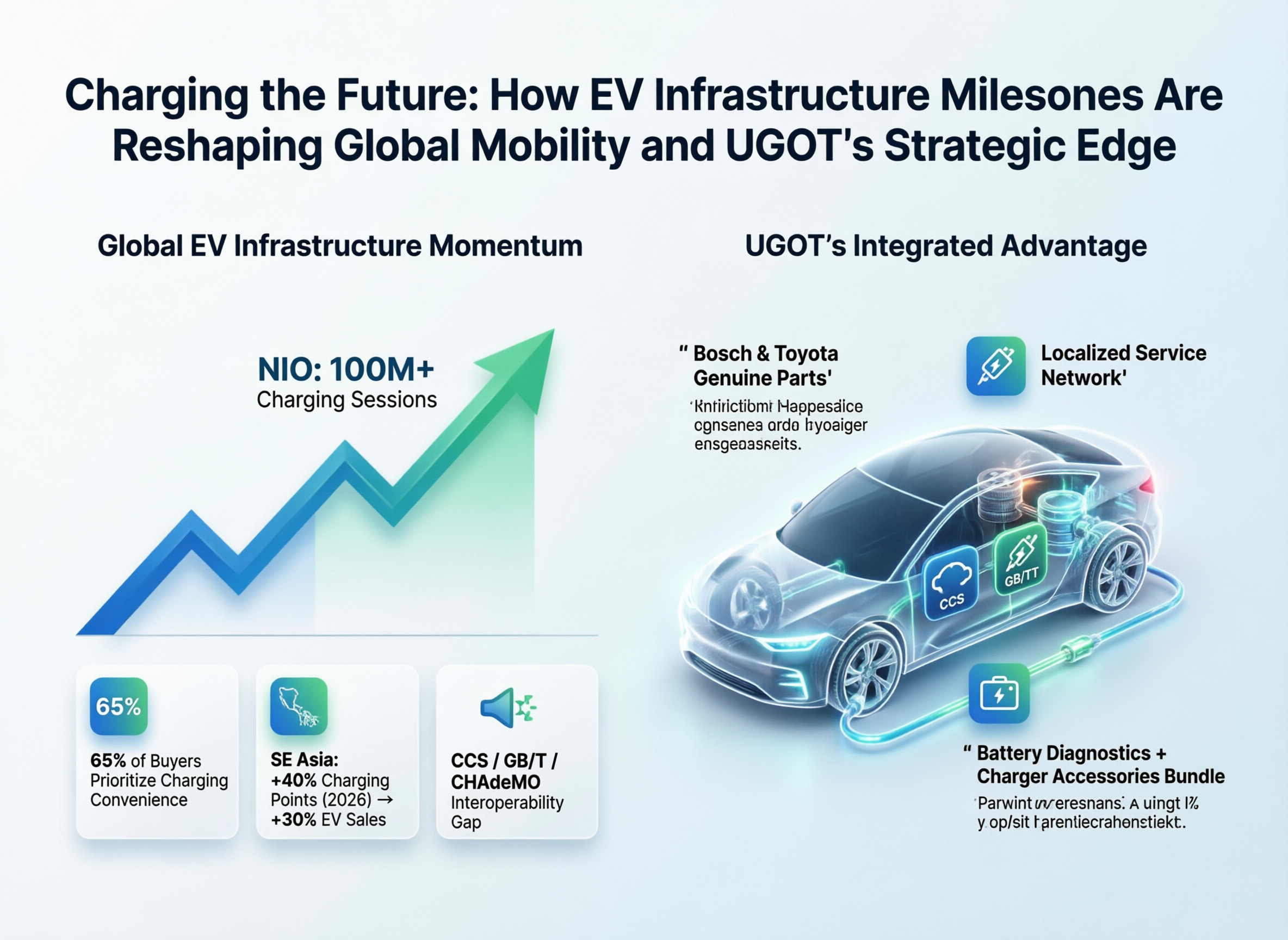 Charging the Future: How EV Infrastructure Milestones Are Reshaping Global Mobility and UGOT’s Strategic Edge