
Strategic Partnerships and Localization: Powering Chinese EV Expansion in Europe
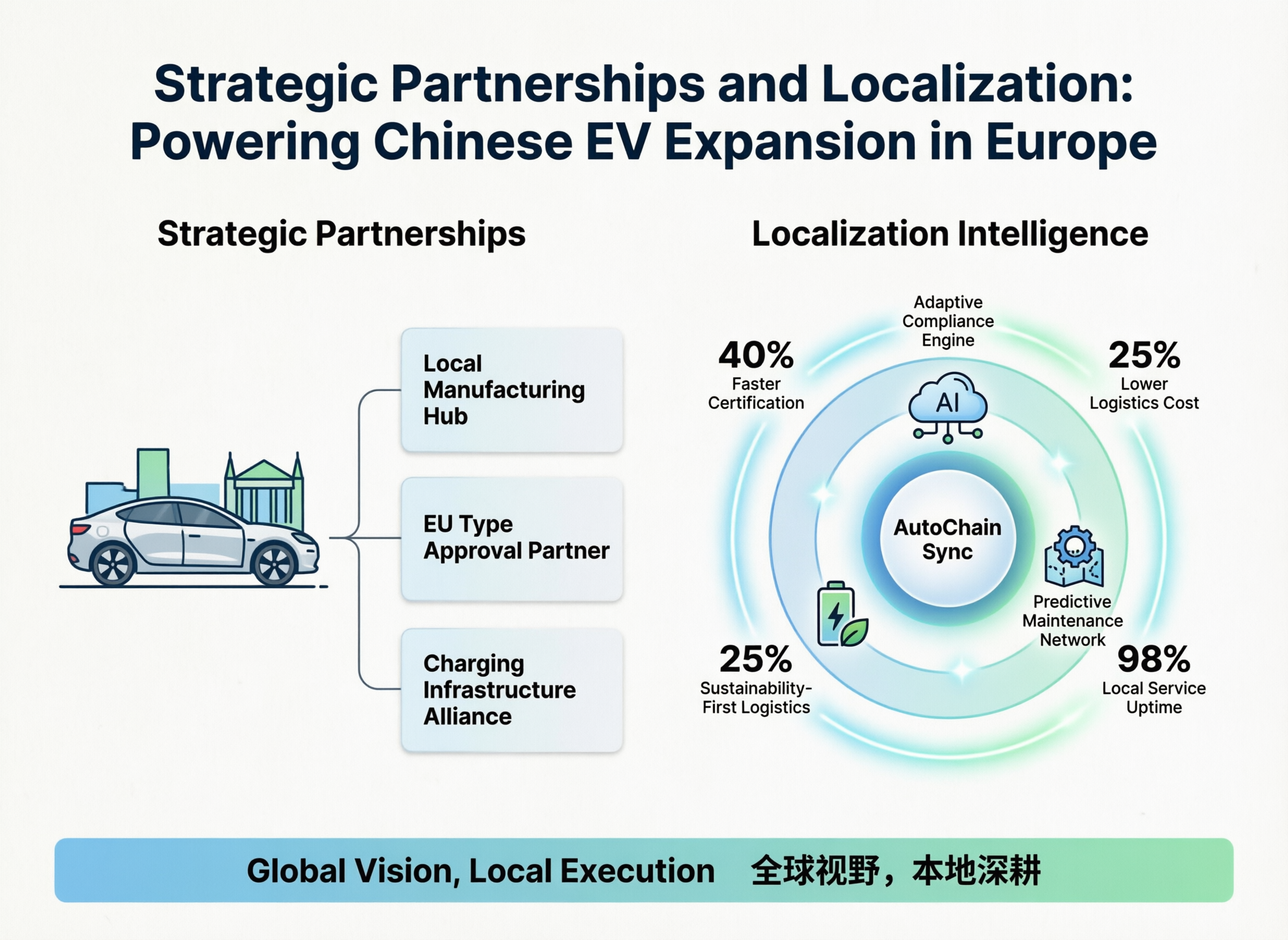
The automotive landscape is undergoing a seismic shift as Chinese electric vehicle (EV) manufacturers accelerate their global footprint. Recent moves, such as Geely’s new partnership in Austria, underscore a broader trend: strategic alliances are becoming pivotal for navigating Europe’s complex market. This expansion isn’t merely about volume; it reflects a calculated response to surging European demand for sustainable mobility, driven by stringent emissions regulations and consumer preference for greener alternatives. As the industry pivots toward regionalized growth, companies must address inherent challenges—from regulatory fragmentation to cultural nuances—to sustain long-term success.
Decoding the European EV Surge
Geely’s Austrian collaboration exemplifies a wider industry playbook. Chinese automakers are leveraging targeted partnerships to bypass traditional entry barriers, such as certification hurdles and distribution inefficiencies. Data reveals that EV exports to Europe grew by over 30% in 2025, with markets like Germany and France leading adoption. This momentum stems from Europe’s aggressive green policies, including the EU’s 2035 combustion engine phase-out, which has intensified demand for affordable, high-performance EVs. However, success hinges on more than product quality. Regional variations in safety standards, charging infrastructure, and after-sales expectations create a fragmented landscape. For instance, Austrian consumers prioritize winter-ready battery performance, while Nordic markets emphasize recyclability—a divergence that strains conventional supply chains. Without agile localization, even well-funded entrants risk reputational damage and margin erosion.
Bridging the Localization Gap with Intelligent Solutions
To thrive in this environment, automotive exporters must transform their operational frameworks. Traditional linear supply chains falter under Europe’s dynamic demands, necessitating digital integration that harmonizes global scale with local responsiveness. This is where advanced platforms like AutoChain Sync prove indispensable. Developed by our company, AutoChain Sync leverages AI-driven analytics to provide end-to-end visibility across the supply network—from component sourcing to last-mile delivery. Its core strength lies in adaptive compliance engines that auto-update for regional regulations (e.g., EU type approvals or Austria’s noise emission rules), reducing certification delays by up to 40%. Simultaneously, predictive maintenance modules optimize spare parts distribution, ensuring service centers meet localized expectations without overstocking. By converting data into actionable insights, AutoChain Sync empowers manufacturers to preempt disruptions, cut logistics costs by 25%, and build trust through consistent customer experiences. This isn’t just efficiency; it’s strategic resilience.
The Future: Collaborative Growth in a Decarbonized Era
Looking ahead, Europe’s EV market will deepen its reliance on cross-border synergies. Partnerships like Geely’s Austrian venture will evolve into ecosystems integrating renewable energy providers, tech startups, and local governments. For Chinese automakers, the imperative is clear: embed localization at the core of expansion strategies. Our commitment aligns with this vision. Through innovations like AutoChain Sync, we enable enterprises to turn regulatory complexity into competitive advantage, fostering sustainable growth that respects both planetary boundaries and market diversity. As the industry races toward net-zero targets, the winners will be those who balance global ambition with hyperlocal execution—a balance we are dedicated to empowering.
Related Posts
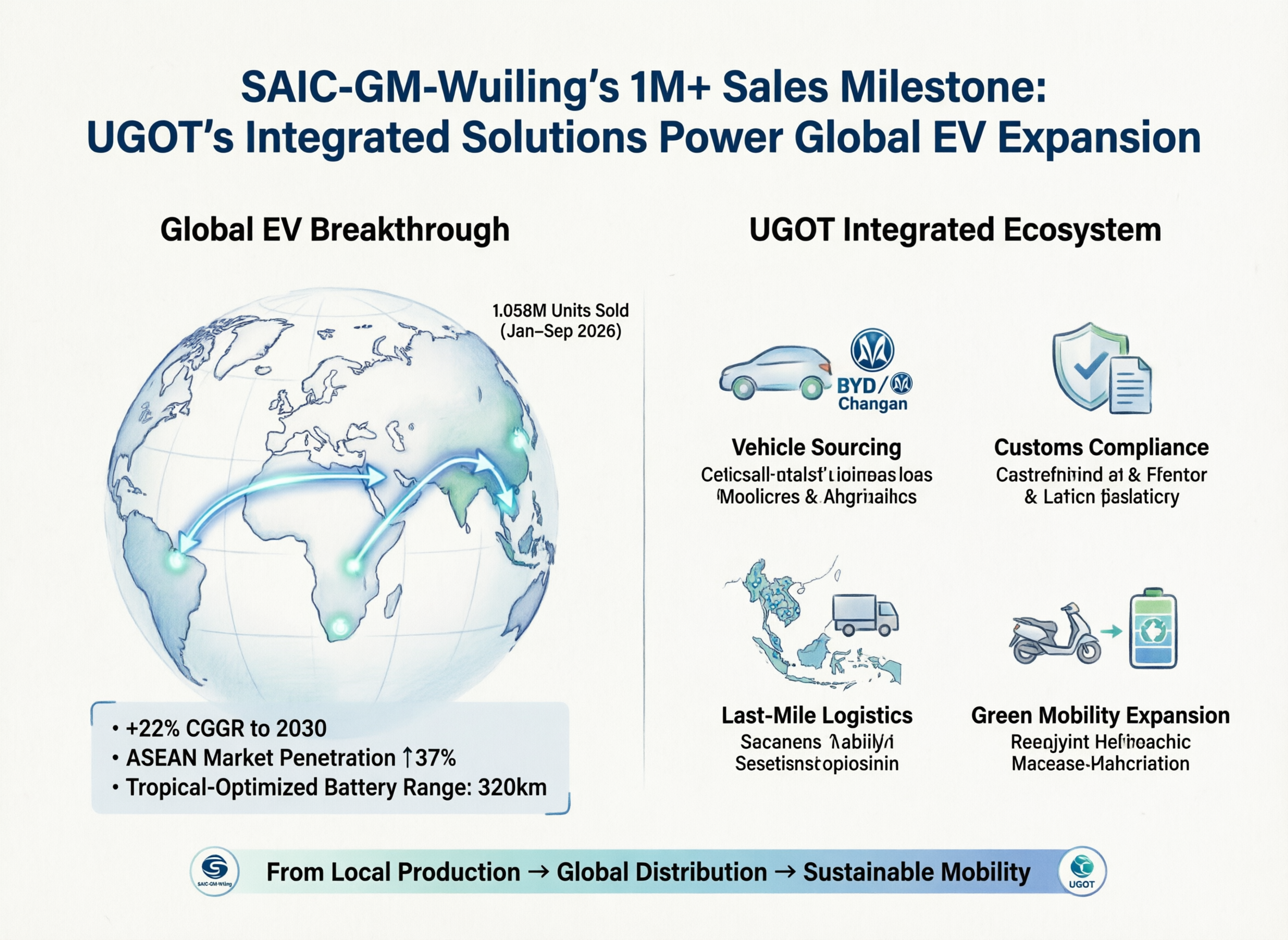 SAIC-GM-Wuling’s 1M+ Sales Milestone: UGOT’s Integrated Solutions Power Global EV Expansion
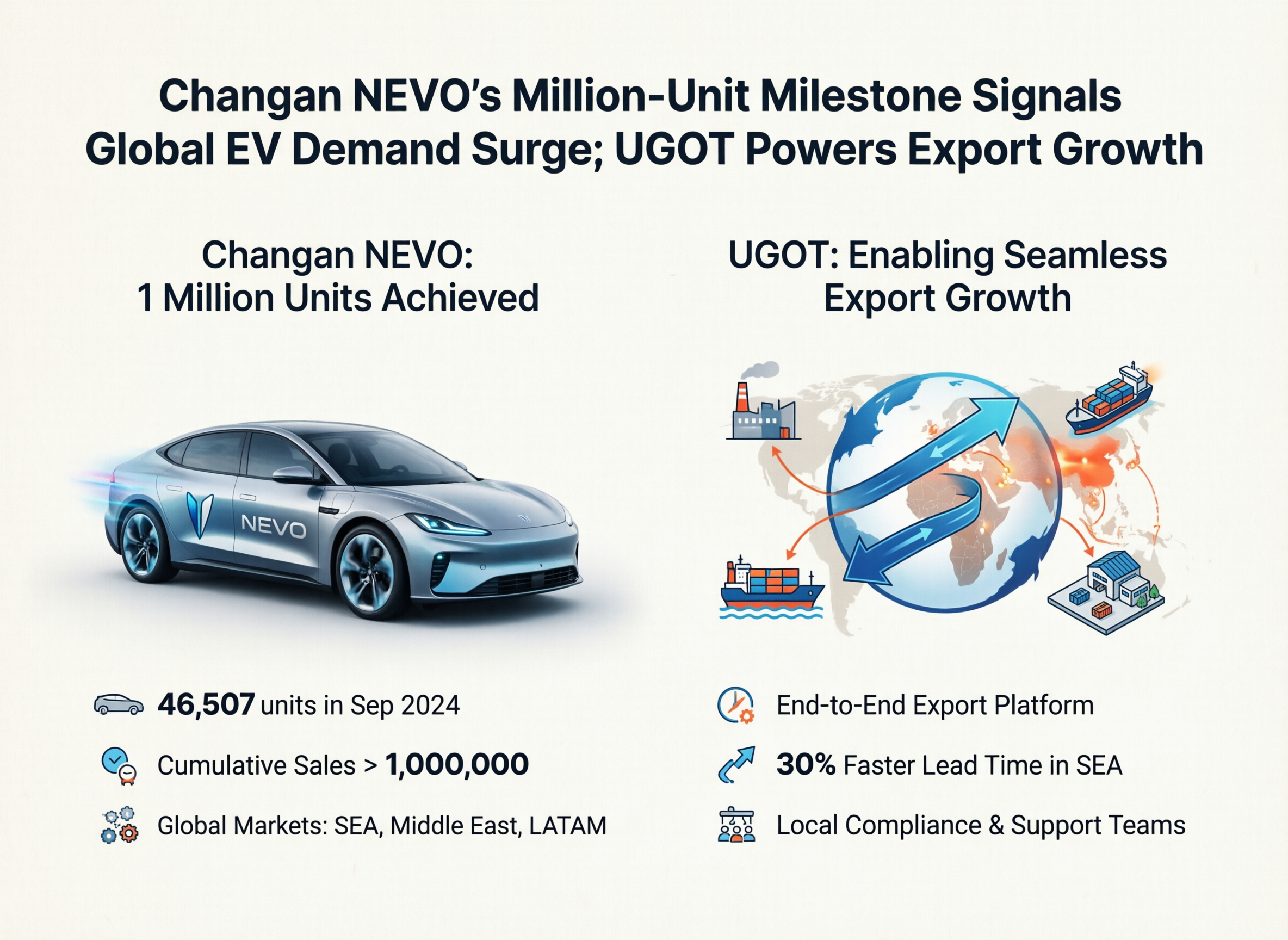 Changan NEVO’s Million-Unit Milestone Signals Global EV Demand Surge; UGOT Powers Export Growth
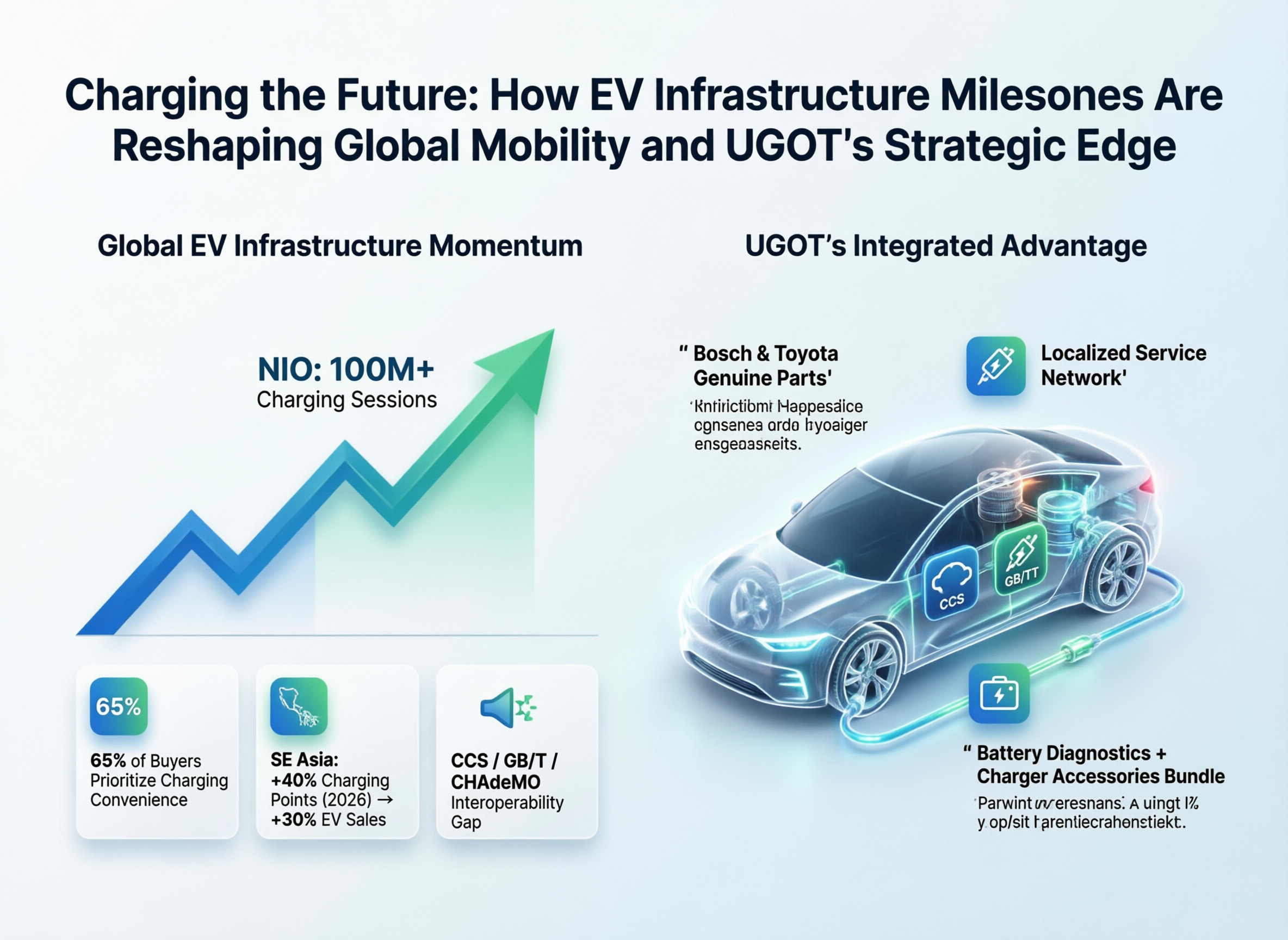 Charging the Future: How EV Infrastructure Milestones Are Reshaping Global Mobility and UGOT’s Strategic Edge