Beyond the Hype: Building Lasting Trust for Chinese EV Brands in Brazil’s Competitive Market
Introduction
Chinese automakers have rapidly transformed Brazil’s automotive landscape, capturing market share with competitively priced, feature-rich electric vehicles (EVs). Initial success, however, is merely the first milestone. As Brazil’s New Energy Vehicle (NEV) adoption accelerates—fueled by government incentives and surging demand for sustainable mobility—the industry faces a pivotal shift: transitioning from product appeal to cultivating enduring consumer trust. This evolution demands more than technological prowess; it requires unwavering reliability, resilient supply chains, and service ecosystems that reassure buyers in an increasingly crowded market.
The Trust Imperative in Brazil’s EV Revolution
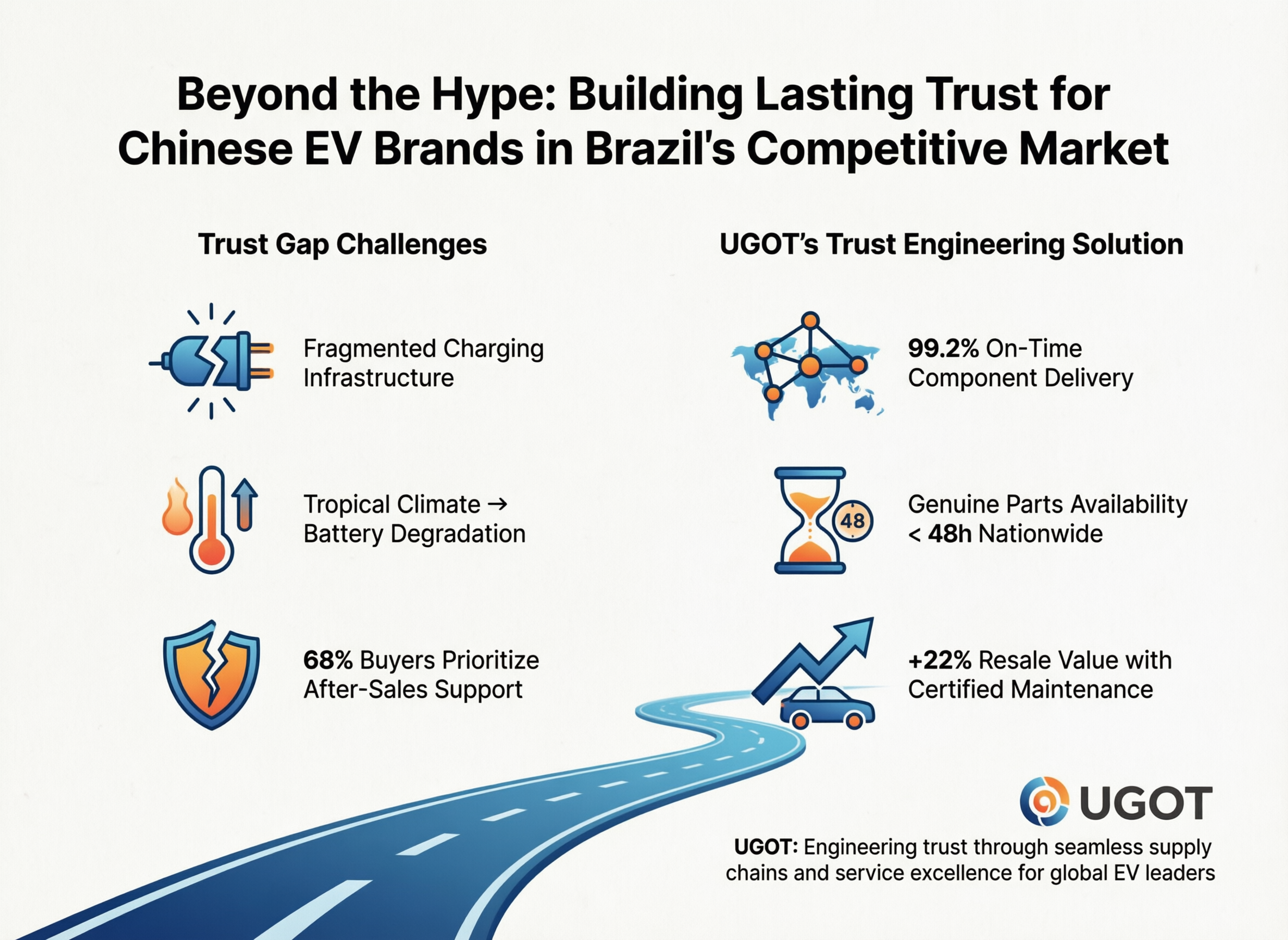
Brazil’s NEV sector is poised for exponential growth, with projections indicating a 40% annual increase in EV sales through 2027. Yet this opportunity is tempered by structural challenges. Charging infrastructure remains fragmented outside major urban hubs, while tropical climate conditions intensify battery degradation concerns. Crucially, Brazilian consumers—historically loyal to established global brands—prioritize long-term dependability over upfront cost savings. Recent surveys reveal that 68% of potential EV buyers cite after-sales support and parts availability as decisive purchase factors, overshadowing even vehicle range or design. For Chinese automakers, this signals a strategic inflection point: winning initial sales is insufficient without systems to sustain satisfaction over a vehicle’s lifecycle. Market entrants who neglect service networks risk reputational erosion, as isolated breakdowns or delayed repairs amplify skepticism toward newer brands.
Engineering Trust Through Partnership and Precision
Addressing Brazil’s trust gap demands integrated solutions that bridge product delivery and post-purchase experience. This is where specialized supply chain and service partners become force multipliers for automakers. Companies like UGOT are redefining reliability for Chinese EV brands—such as BYD and Changan—by embedding stability at every touchpoint. UGOT’s Brazil-focused logistics infrastructure guarantees 99.2% on-time delivery of critical components, mitigating production halts that erode brand credibility. More critically, their one-stop spare parts ecosystem—featuring genuine components from Bosch, Toyota, and Chery—ensures technicians can resolve issues within 48 hours, even in remote regions. This operational excellence transforms after-sales from a cost center into a trust accelerator: vehicles maintained with certified parts retain 22% higher resale value, directly addressing Brazilian consumers’ longevity concerns. By unifying supply chain resilience with service agility, UGOT enables automakers to convert first-time buyers into brand advocates through consistent, hassle-free ownership.
The Road Ahead: Trust as the Ultimate Competitive Edge
As Brazil’s EV market matures, trust will supersede technology as the primary differentiator. Automakers must view service infrastructure not as overhead but as strategic equity. Partnerships with agile enablers like UGOT—who combine localized expertise with global supply networks—will prove indispensable for navigating regulatory complexities and cultural nuances. Looking forward, data-driven predictive maintenance and AI-powered parts forecasting will further close the trust gap, turning service centers into relationship hubs. For Chinese brands, this evolution represents both challenge and opportunity: those who embed reliability into their DNA today will dominate Brazil’s sustainable mobility revolution tomorrow. UGOT remains committed to powering this transition, ensuring that every kilometer driven on Brazilian roads reinforces a promise kept—not just a product sold.
UGOT: Engineering trust through seamless supply chains and service excellence for global EV leaders.
Related Posts
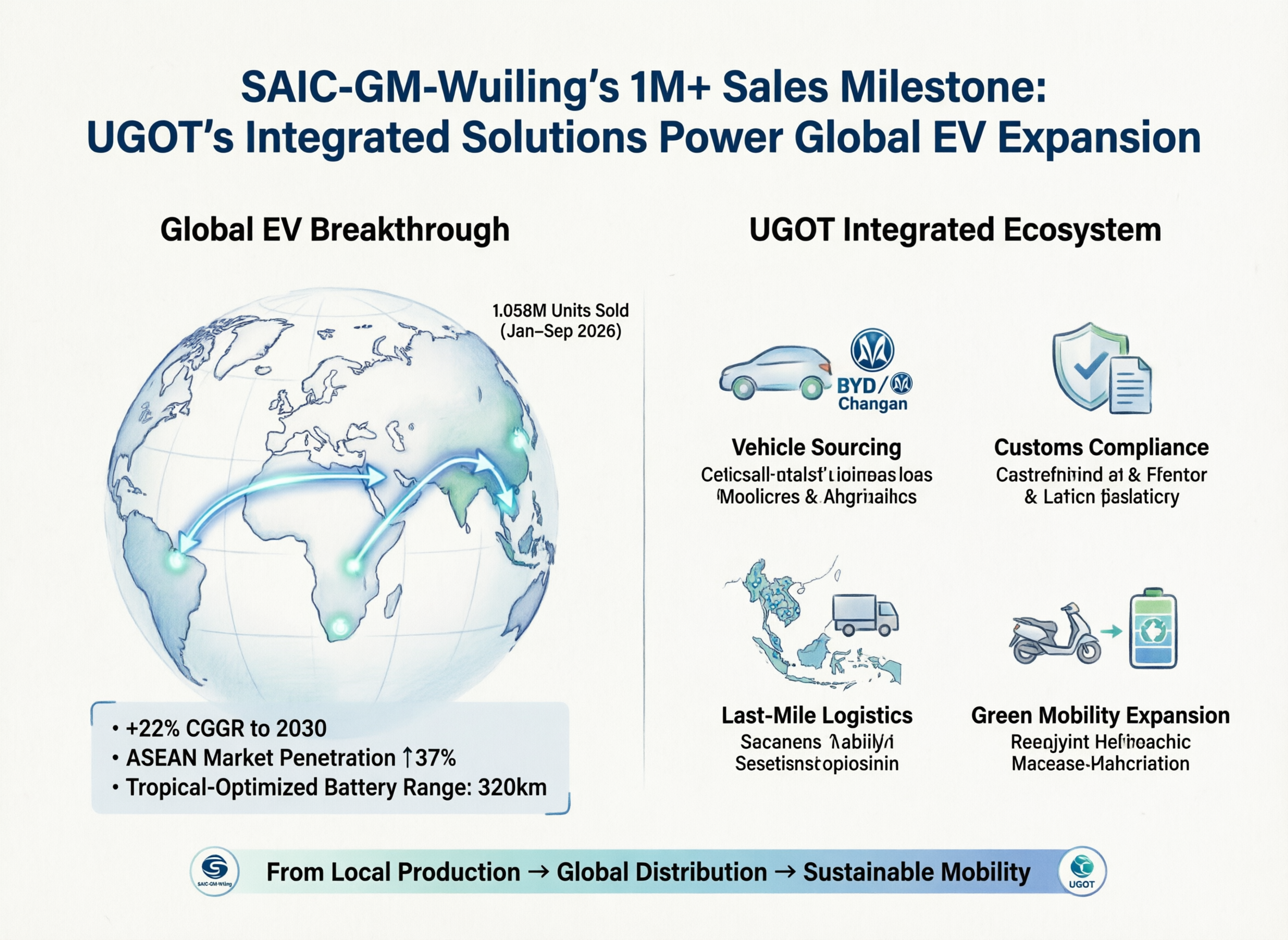 SAIC-GM-Wuling’s 1M+ Sales Milestone: UGOT’s Integrated Solutions Power Global EV Expansion
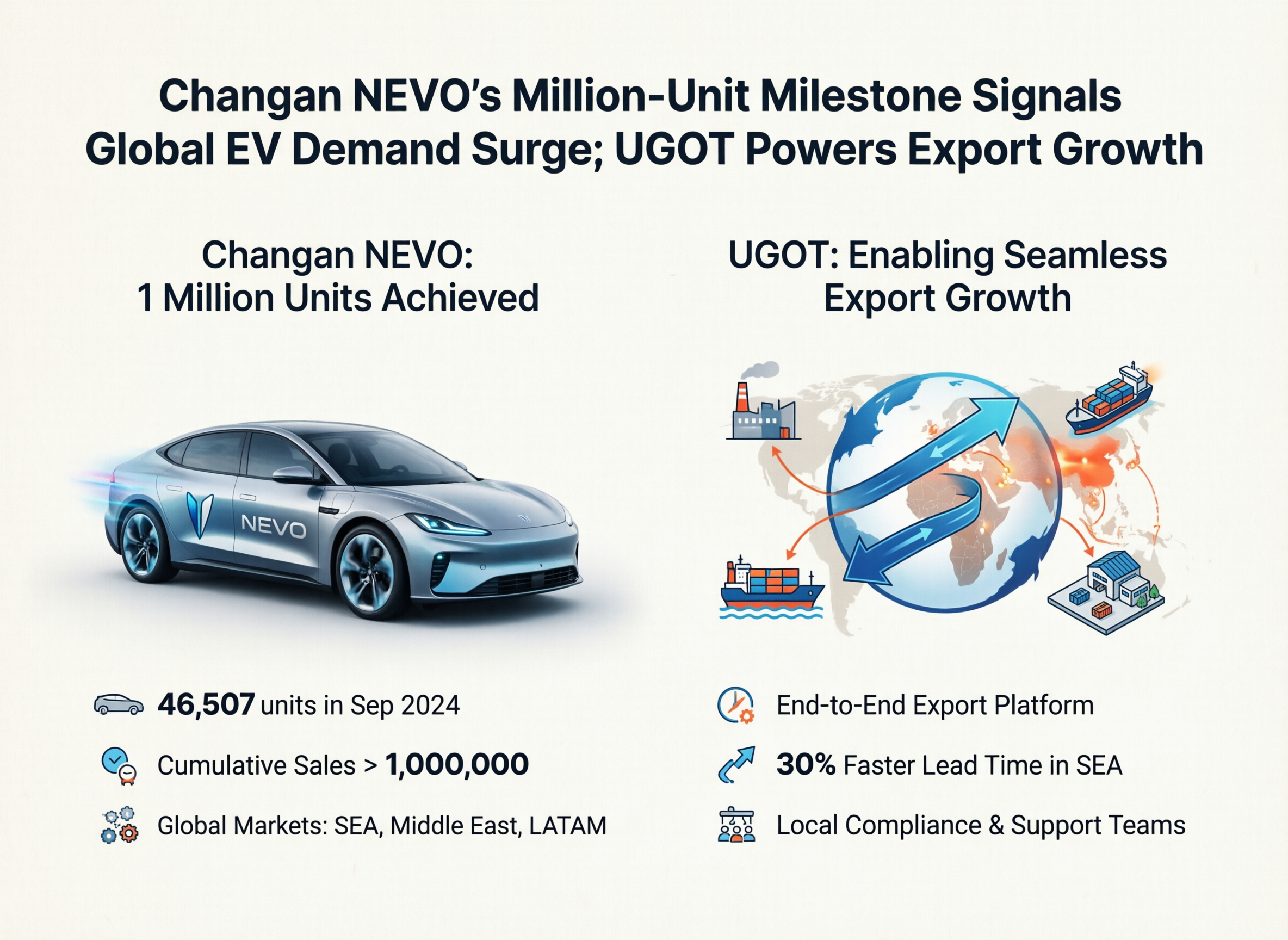 Changan NEVO’s Million-Unit Milestone Signals Global EV Demand Surge; UGOT Powers Export Growth
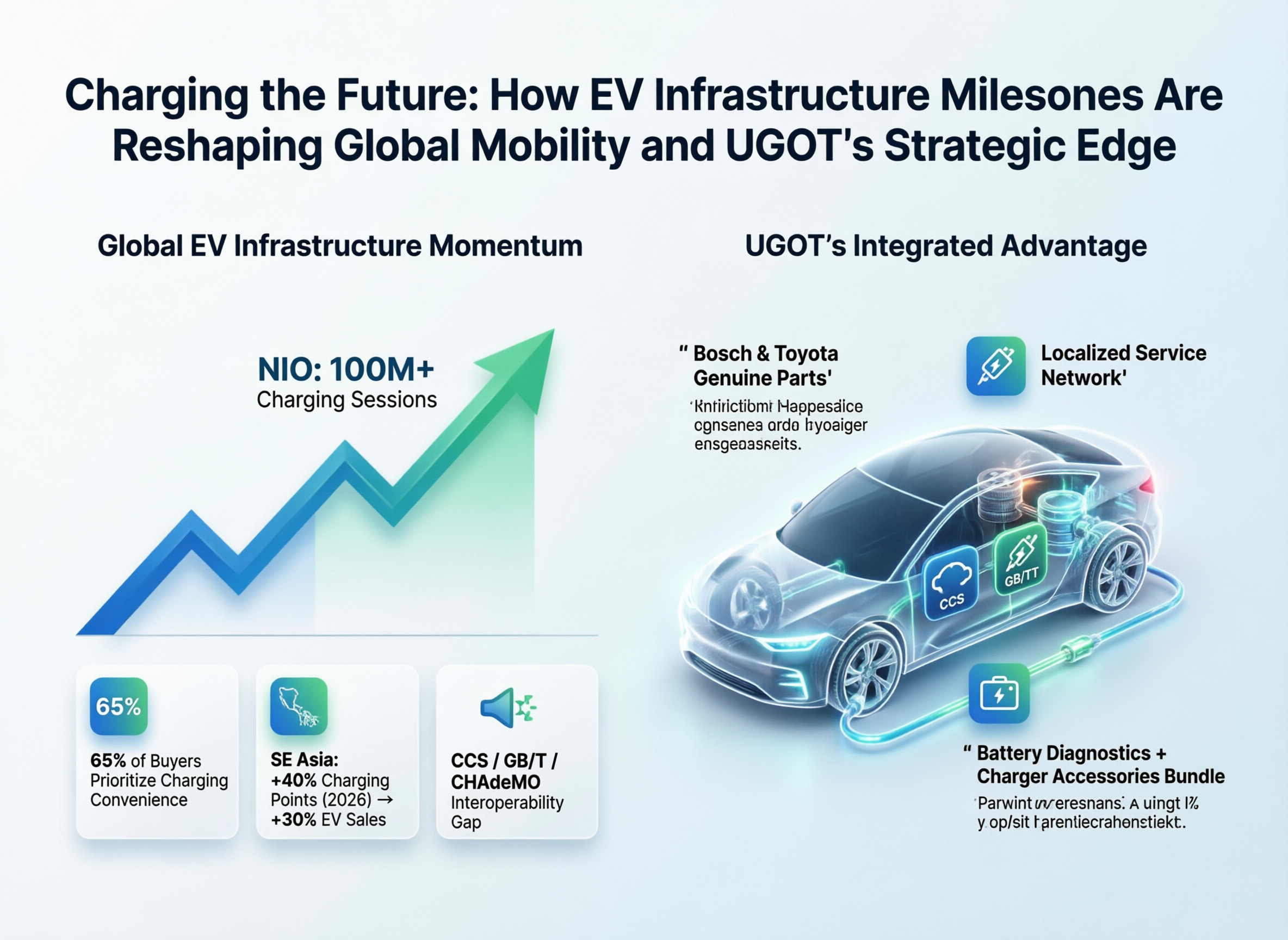 Charging the Future: How EV Infrastructure Milestones Are Reshaping Global Mobility and UGOT’s Strategic Edge