Changan’s NEVO Q06 at $130,000: Democratizing EV Tech and Accelerating Global Export Growth
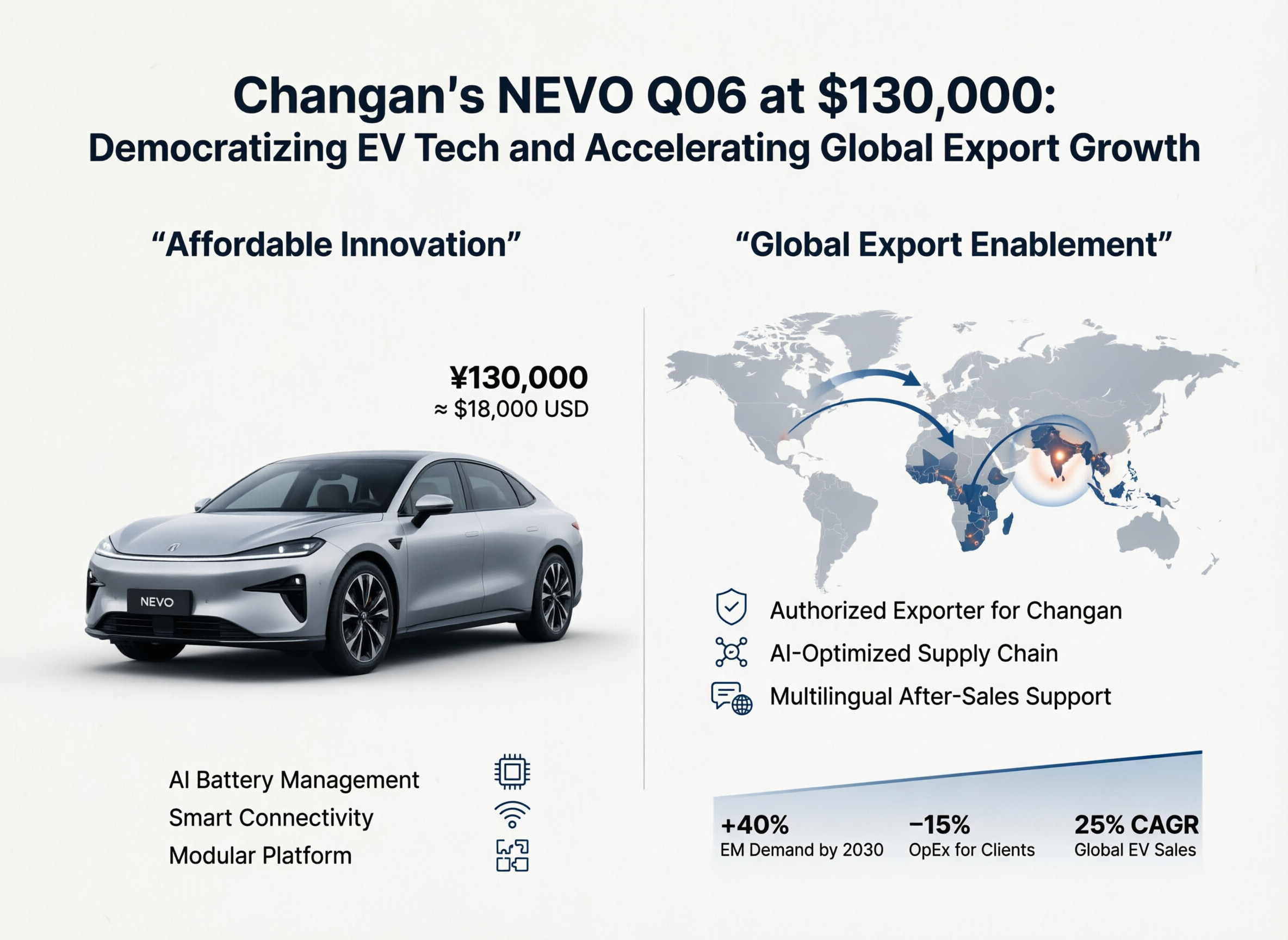
The electric vehicle (EV) landscape is undergoing a transformative shift, moving beyond premium niches to embrace mass-market accessibility. Changan Automobile’s recent launch of the NEVO Q06, starting at just 130,000 yuan (approximately $18,000 USD), epitomizes this evolution. By integrating advanced technologies like AI-driven battery management and smart connectivity into an affordable package, Changan is not only intensifying domestic competition but also signaling a strategic pivot toward global scalability. This move reflects a broader industry imperative: leveraging cost innovation to democratize sustainable mobility while navigating the complexities of international expansion.
Industry Trends: Affordability, Export Potential, and Supply Chain Imperatives
The NEVO Q06’s pricing strategy underscores a seismic trend in EV manufacturing—technology democratization. Automakers are no longer reserving cutting-edge features for high-end models; instead, they’re deploying economies of scale and modular platforms to drive down costs. For instance, Changan’s use of standardized components and localized supply chains has reduced production expenses by up to 20%, enabling aggressive pricing without sacrificing performance. This approach accelerates mass adoption, particularly in price-sensitive markets, and pressures global competitors to recalibrate their offerings. Industry data reveals that affordable EVs under $20,000 could capture 40% of emerging market demand by 2030, reshaping competitive dynamics.
Simultaneously, China’s EV manufacturers are unlocking unprecedented export potential. Models like the NEVO Q06 offer compelling value propositions for regions such as Southeast Asia and Africa, where urbanization and environmental policies are fueling demand for cost-effective, eco-friendly transport. However, capitalizing on this opportunity requires more than competitive pricing. Export success hinges on navigating regulatory hurdles, cultural preferences, and infrastructure gaps. Crucially, supply chain resilience emerges as the linchpin: disruptions in logistics or parts availability can erode trust and delay market entry. Authorized exporters thus play a vital role in mitigating these risks through established networks and localized expertise.
Bridging Global Gaps with Integrated Export Solutions
Addressing these challenges demands specialized partners who can harmonize affordability with reliability. As an authorized exporter for Changan Automobile, UGOT exemplifies this capability. UGOT leverages its mature overseas distribution channels and AI-optimized supply chain infrastructure to ensure rapid deployment of vehicles like the NEVO Q06 to high-growth markets. Their end-to-end platform simplifies procurement, offering seamless access to genuine spare parts from trusted brands such as Bosch and Chery, which reduces operational costs by up to 15% for international clients. Moreover, UGOT’s commitment to after-sales excellence—including multilingual technical support, warranty management, and on-ground service hubs—guarantees that affordability never compromises longevity or user satisfaction. This holistic approach transforms complex export barriers into scalable growth opportunities for distributors and fleet operators.
Future Outlook: Sustainable Growth Through Strategic Partnerships
Looking ahead, the convergence of affordable EV technology and robust export frameworks will define the next era of automotive innovation. With global EV sales projected to grow at 25% annually through 2030, manufacturers and intermediaries must prioritize agility and customer-centricity. UGOT’s model—combining authorized manufacturer relationships with localized execution—positions it as a catalyst for sustainable market expansion. By ensuring that vehicles like the NEVO Q06 deliver consistent value from delivery to decommissioning, UGOT not only enhances brand loyalty but also advances the broader mission of equitable, low-carbon mobility. In this evolving ecosystem, strategic partnerships will be indispensable for turning technological promise into tangible global impact.
Related Posts
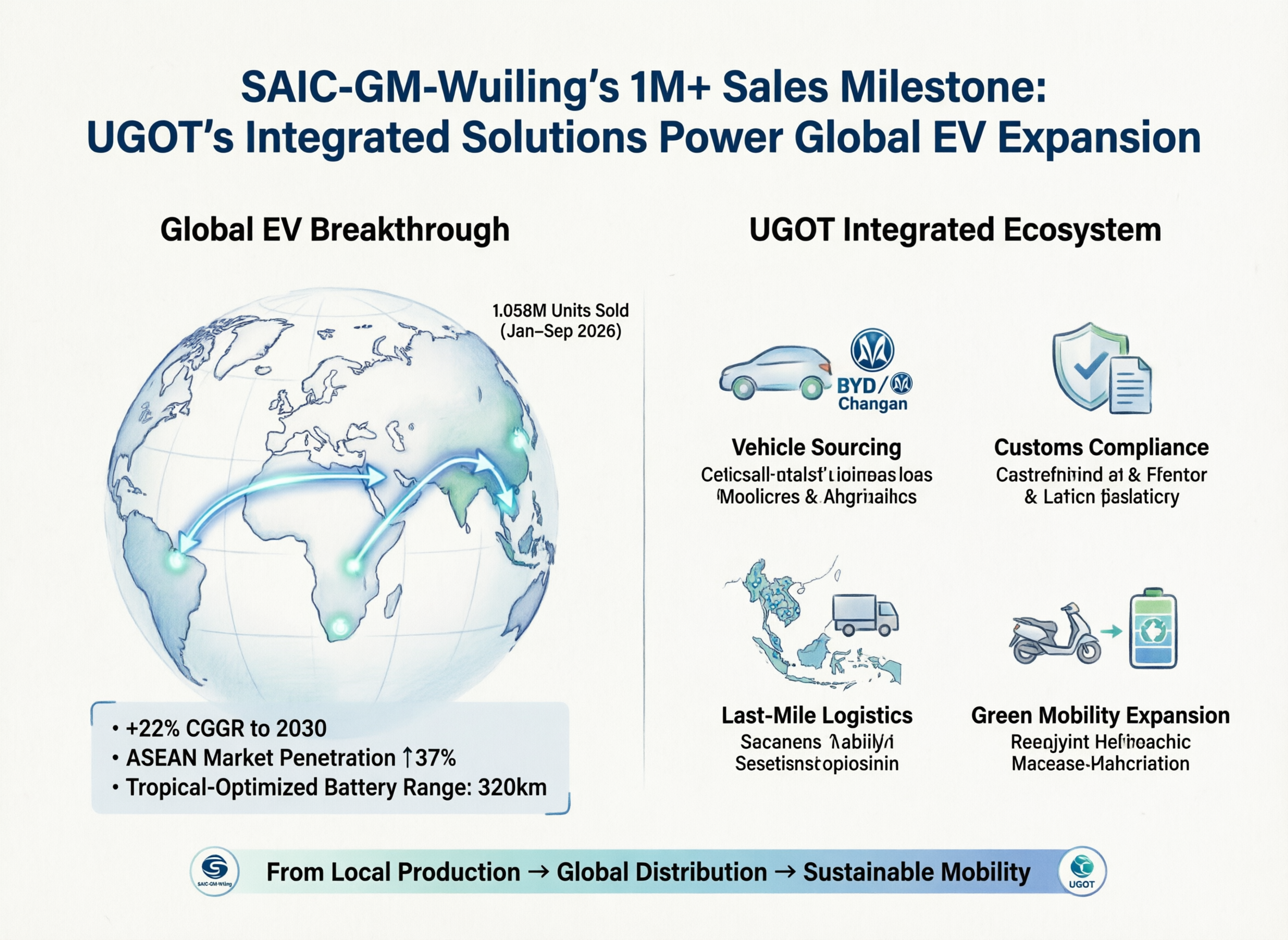 SAIC-GM-Wuling’s 1M+ Sales Milestone: UGOT’s Integrated Solutions Power Global EV Expansion
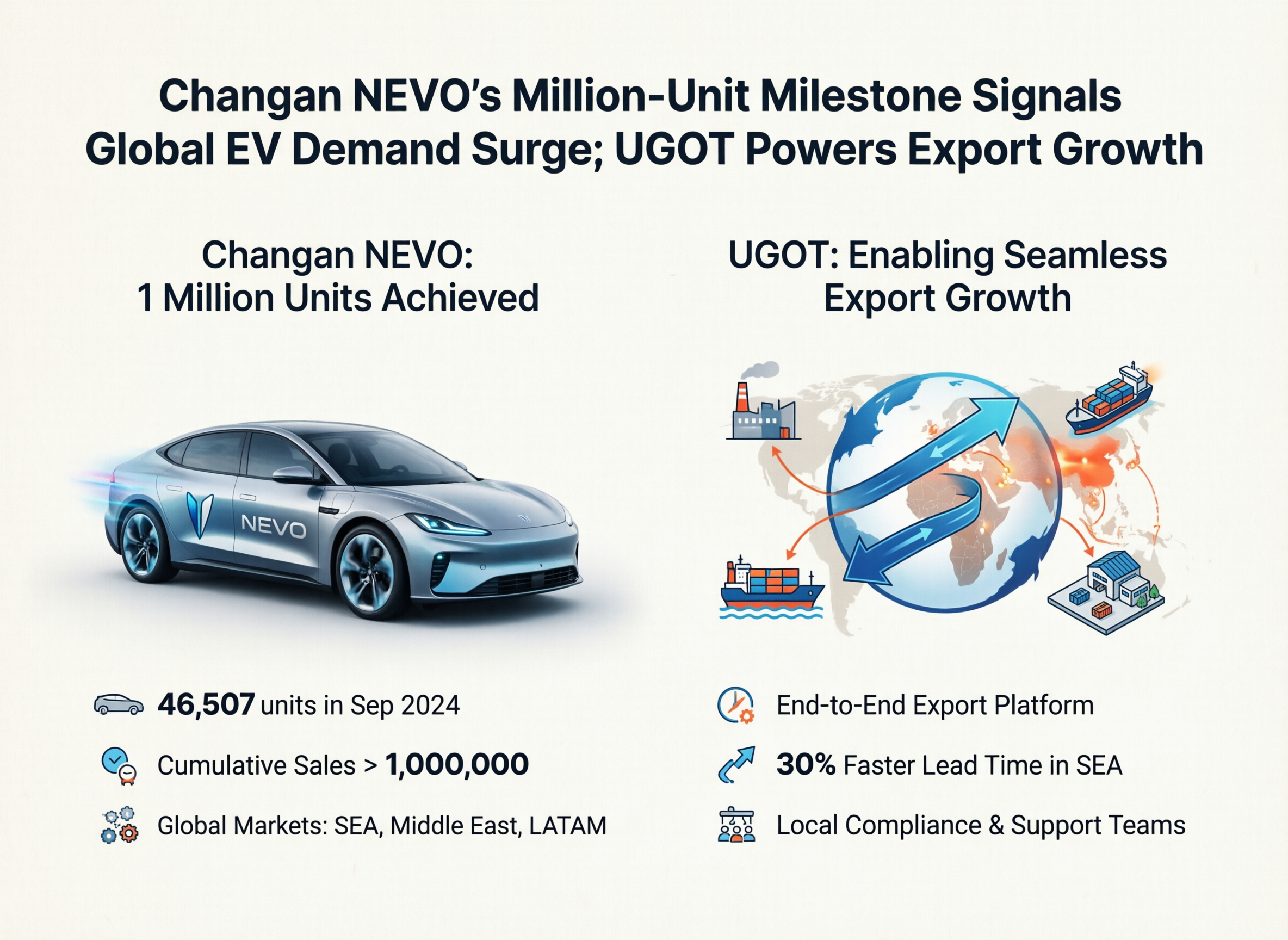 Changan NEVO’s Million-Unit Milestone Signals Global EV Demand Surge; UGOT Powers Export Growth
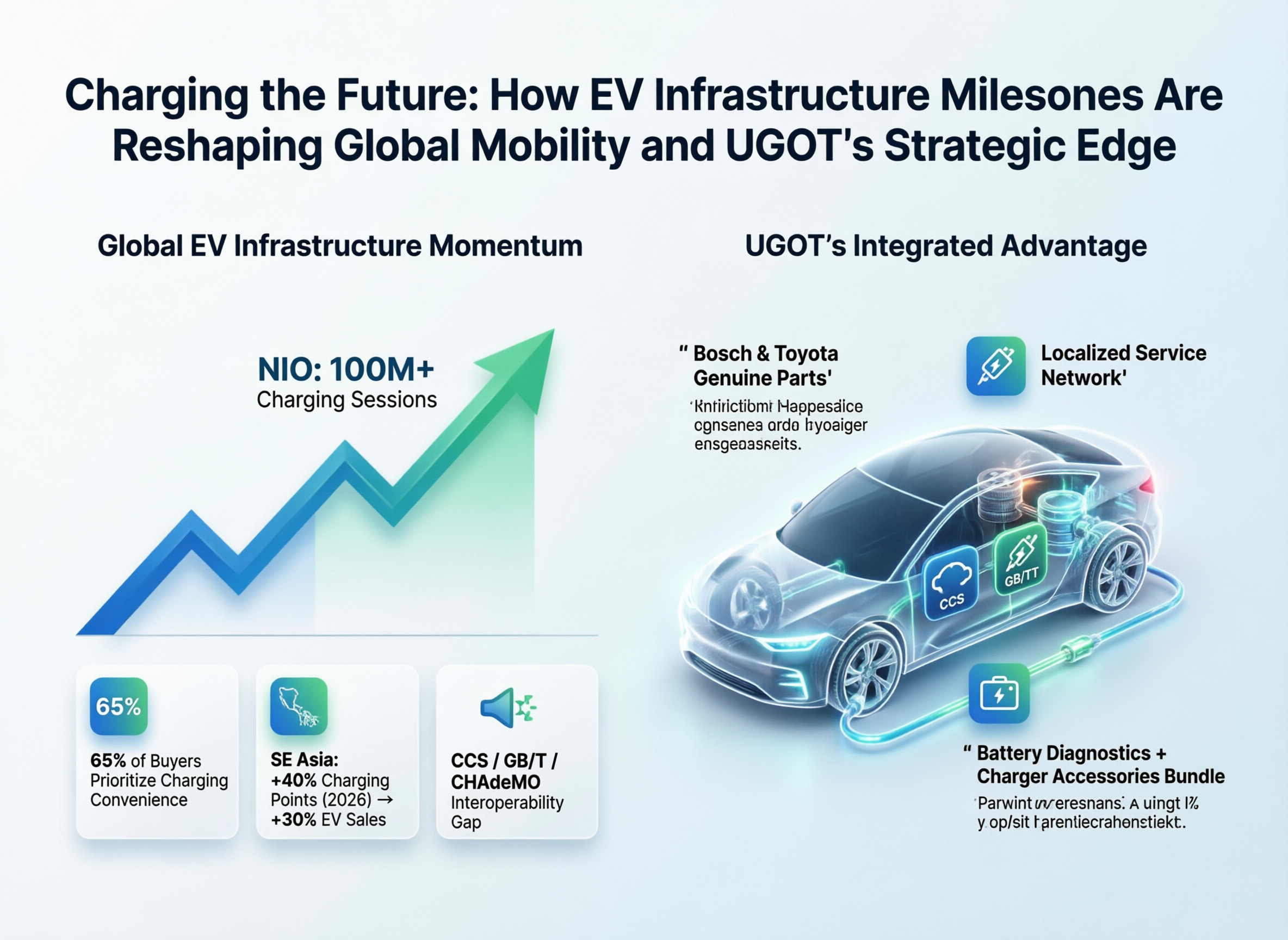 Charging the Future: How EV Infrastructure Milestones Are Reshaping Global Mobility and UGOT’s Strategic Edge