Region-Specific Vehicles: The Strategic Key to Sustainable Global Auto Expansion
Introduction
The global automotive landscape is undergoing a seismic shift. Chinese automakers, once perceived as volume-driven exporters, are now pioneering a sophisticated strategy: developing region-specific vehicles tailored to local regulations, consumer preferences, and environmental conditions. This evolution—dubbed the industry’s “Yaris Moment” in reference to Toyota’s iconic localized success—marks a decisive pivot from generic exports toward nuanced global competitiveness. As new energy vehicles (NEVs) spearhead this expansion, particularly in stringent markets like Europe, the imperative for hyper-localized approaches has never been clearer. This trend transcends mere product adaptation; it signals a fundamental reimagining of how automotive brands achieve sustainable international growth.
The Localization Imperative: Beyond One-Size-Fits-All
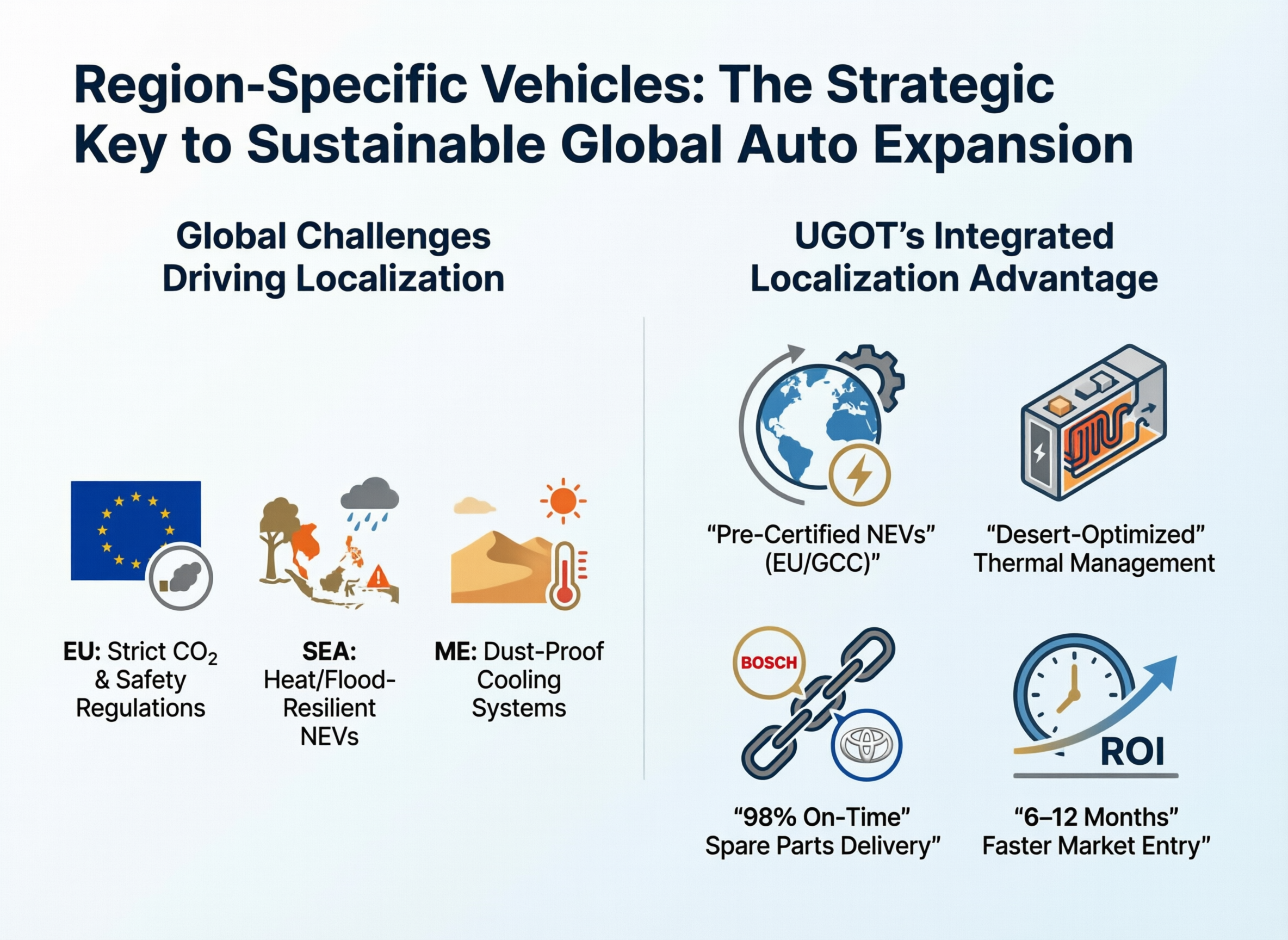
Historically, automakers treated overseas markets as homogeneous extensions of domestic operations. Today, regulatory pressures and consumer expectations demand deeper customization. In Europe, for instance, stringent emissions standards, safety protocols, and unique driving dynamics necessitate vehicles engineered specifically for cobblestone streets, narrow urban corridors, and cold-weather performance. Similarly, Southeast Asian markets prioritize heat-resistant batteries and flood-resilient chassis, while Middle Eastern consumers seek enhanced cooling systems and dust-proof components.
This localization surge is intrinsically linked to the NEV revolution. Electric and hybrid models now dominate Chinese auto exports, accounting for over 60% of shipments to Europe in 2025. However, success hinges on more than just electrification. Brands must navigate fragmented certification regimes, cultural design preferences, and infrastructure disparities. A vehicle optimized for Berlin’s charging networks may falter in Jakarta’s monsoon-prone megacities. Consequently, leading manufacturers like BYD and Changan are establishing regional R&D hubs, embedding local insights into vehicle DNA from inception.
Critically, localization extends beyond the product itself. Supply chain agility has become a competitive differentiator. Exporters face mounting pressure to guarantee parts availability—such as Bosch braking systems or Toyota-sourced components—to maintain after-sales trust. Delays in spare parts delivery can erode brand reputation overnight. Thus, the new battleground for global dominance lies in integrated ecosystems: vehicles engineered for specific terrains, supported by resilient logistics and localized service networks.
Enabling Precision Expansion: The Partner Advantage
Navigating this complexity requires specialized expertise. Generic export models risk costly misfires—recalls due to unadapted components, inventory pile-ups from mismatched specifications, or compliance failures in critical markets. This is where strategic partnerships transform ambition into execution.
As an authorized export partner for industry leaders including BYD and Changan, UGOT delivers end-to-end solutions for region-specific vehicle deployment. Our approach merges deep market intelligence with operational excellence: we pre-certify NEVs and electric motorcycles against regional standards (from EU type approvals to GCC conformity), customize features like battery thermal management for desert climates, and streamline homologation processes that typically delay market entry by 6–12 months. Crucially, UGOT’s integrated supply chain—anchored by direct partnerships with Bosch and Toyota suppliers—ensures 98% on-time delivery of critical spare parts. This mitigates downtime risks for distributors while accelerating ROI. For clients targeting high-growth corridors like Southeast Asia and the Middle East, our one-stop platform reduces localization barriers, turning regulatory hurdles into competitive advantages.
The Road Ahead: Sustainable Growth Through Specialization
The era of mass-standardized auto exports is fading. Future growth will belong to brands that treat localization not as a cost center, but as a value multiplier. By 2030, region-specific NEVs could represent 75% of Chinese automotive exports, driven by tightening global sustainability mandates and rising consumer expectations for culturally attuned products.
In this landscape, partners like UGOT become force multipliers. Our commitment to precision engineering, supply chain transparency, and rapid adaptation ensures that global expansion aligns with long-term brand equity—not just quarterly shipment targets. As the industry converges toward a greener, more fragmented future, the winners will be those who master the art of thinking globally while engineering locally. UGOT stands ready to power that transition, transforming regional challenges into sustainable opportunities for automotive pioneers worldwide.
Related Posts
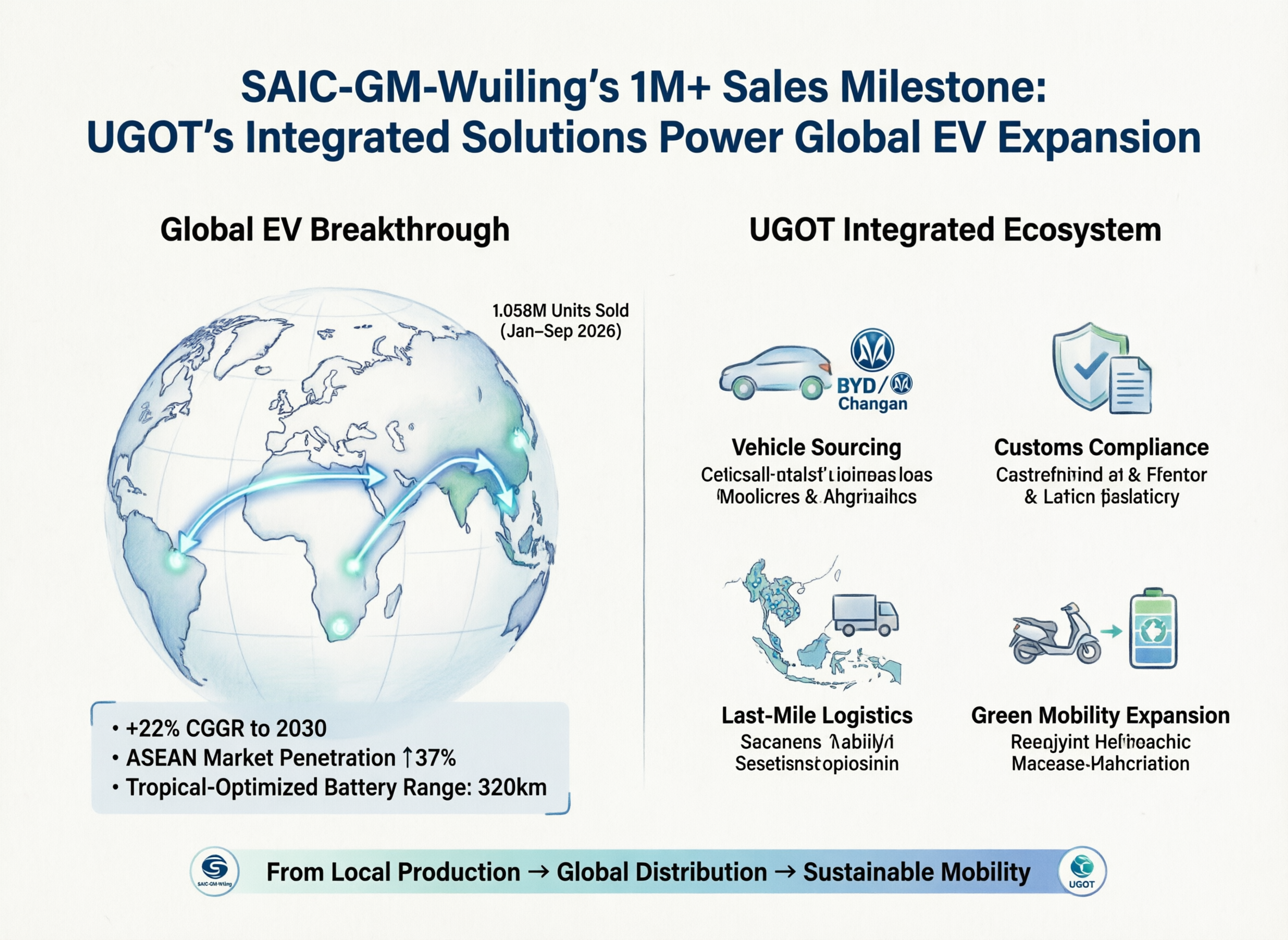 SAIC-GM-Wuling’s 1M+ Sales Milestone: UGOT’s Integrated Solutions Power Global EV Expansion
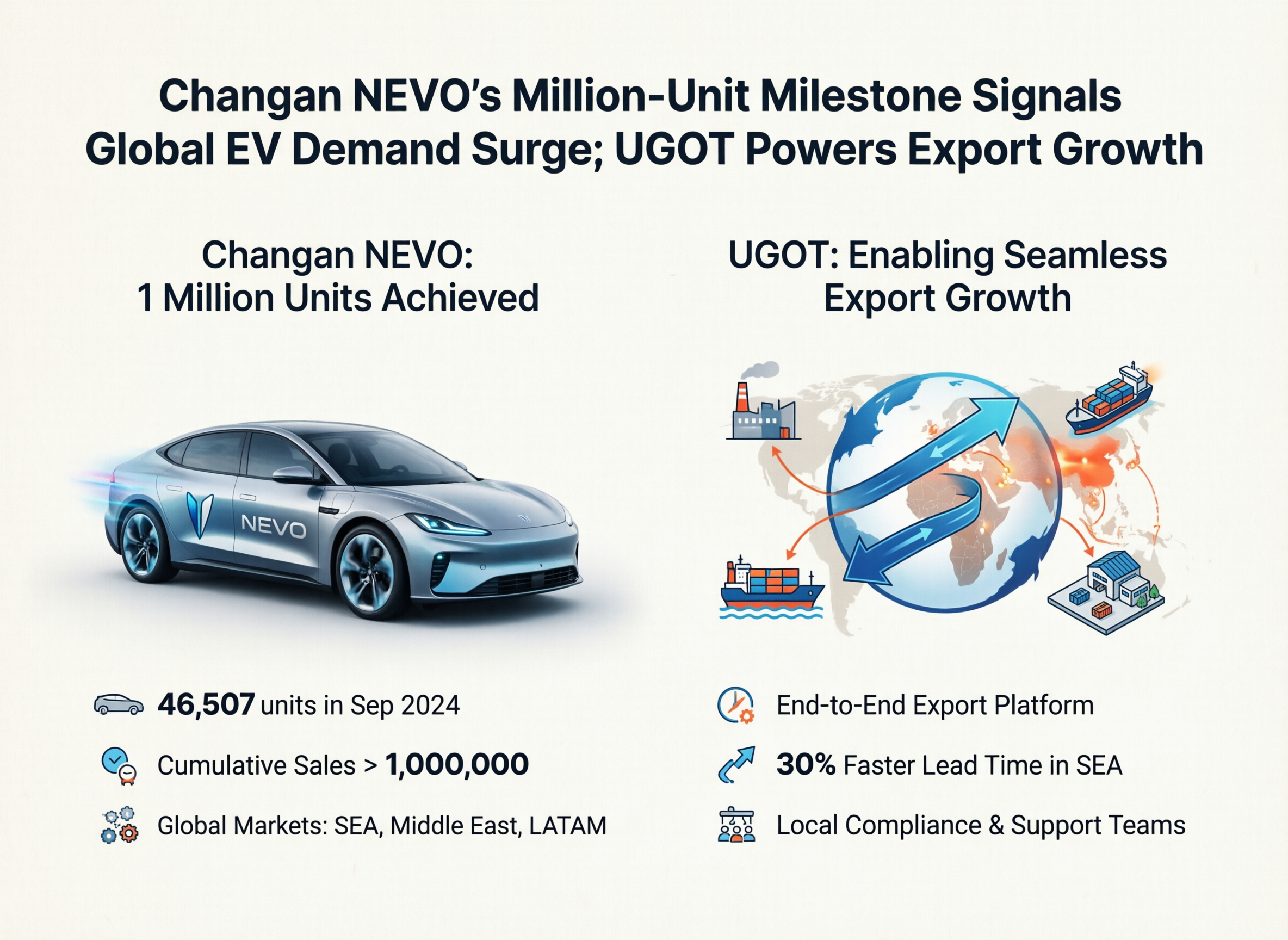 Changan NEVO’s Million-Unit Milestone Signals Global EV Demand Surge; UGOT Powers Export Growth
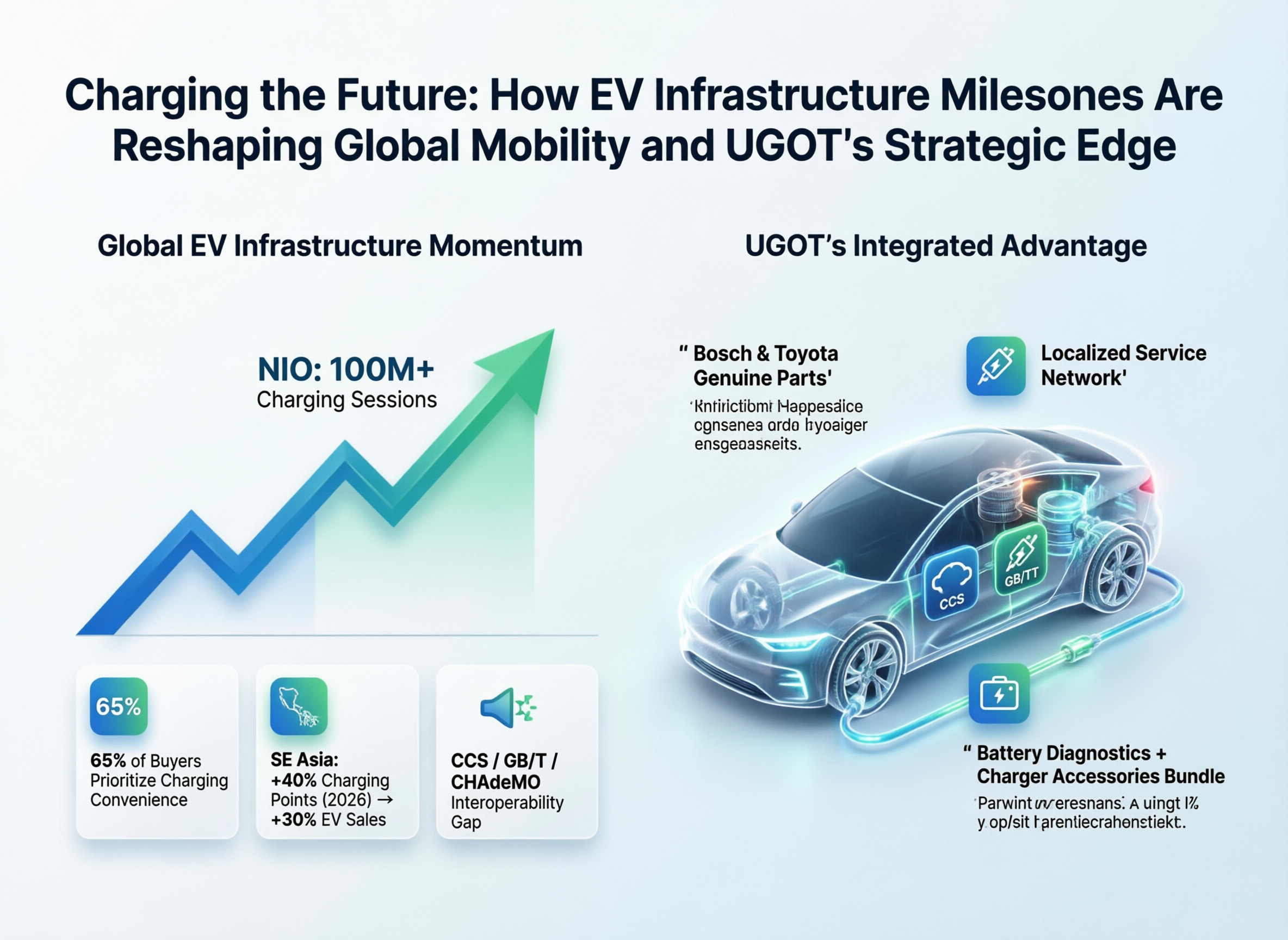 Charging the Future: How EV Infrastructure Milestones Are Reshaping Global Mobility and UGOT’s Strategic Edge