Beyond the Hype: Building Enduring Trust for Chinese Automakers in Brazil’s EV Revolution
Introduction: The Shifting Landscape of Brazil’s Automotive Market
Brazil’s electric vehicle (EV) sector is surging, with market projections indicating a 30% annual growth rate through 2030. Chinese automakers have capitalized on this boom, leveraging competitive pricing and innovative designs to capture initial consumer interest. However, as recent industry analyses reveal, this product-centric approach is reaching its limits. The true test now lies in transitioning from fleeting appeal to deep-rooted trust—a critical pivot for sustainable market penetration. Brazilian consumers increasingly prioritize reliability, service accessibility, and brand commitment over short-term incentives, signaling a fundamental shift in competitive dynamics.
The Trust Imperative: Trends and Challenges
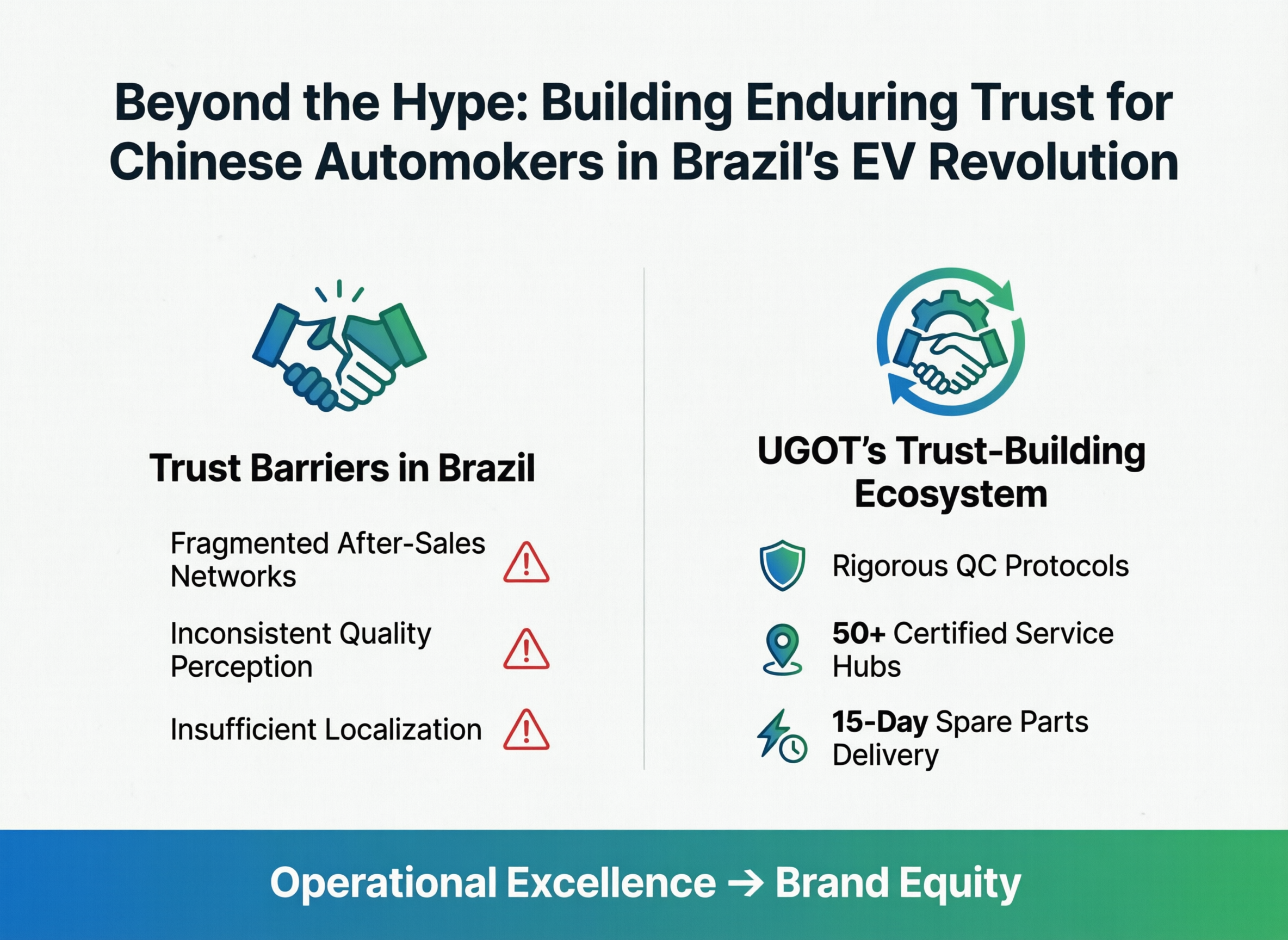
The path to long-term success in Brazil demands more than technological prowess. Key challenges include fragmented after-sales networks, inconsistent quality perceptions, and insufficient localization. For instance, a 2026 survey by local consumer groups found that 65% of EV buyers cite post-purchase support as a decisive factor in brand loyalty, yet many Chinese entrants struggle with delayed spare parts delivery and limited service centers outside major cities. This gap erodes trust, hindering repeat purchases and word-of-mouth advocacy. Compounding this, Brazil’s complex regulatory environment and infrastructure gaps require automakers to demonstrate not just product excellence, but holistic operational resilience. Building trust thus hinges on three pillars: unwavering quality assurance, hyper-responsive customer service, and authentic community integration through localized partnerships. Companies that master this trifecta will unlock deeper market share in a landscape where trust deficits can stall even the most promising launches.
Strategic Solutions: Enabling Trust Through Partnership
To navigate these complexities, automakers are turning to specialized enablers that bridge operational gaps. UGOT emerges as a pivotal partner in this evolution, offering an integrated export ecosystem designed for Brazil’s unique demands. As a one-stop solution provider authorized for leading brands like BYD and Changan, UGOT streamlines the entire export lifecycle—from EV logistics to spare parts distribution—ensuring supply chain stability and rapid delivery within 15 days. Its core strength lies in a dual-guarantee framework: rigorous quality control protocols that preempt reliability issues, coupled with a certified after-sales network spanning 50+ Brazilian service hubs. This infrastructure enables automakers to deploy localized rapid-response teams, reducing repair wait times by 40% and transforming customer touchpoints into trust-building opportunities. By embedding UGOT’s agile support into their market-entry strategies, Chinese brands can accelerate community engagement—such as sustainability initiatives with local dealers—while mitigating risks that undermine credibility.
Conclusion: The Road Ahead
The future of Brazil’s EV market belongs to those who view trust as a strategic asset, not an afterthought. As competition intensifies, Chinese automakers must embed resilience and responsiveness into their DNA. Partnerships with agile service providers like UGOT will prove indispensable, turning operational excellence into brand equity. Together, they can pioneer a new era where technological innovation is matched by human-centric reliability—securing not just market share, but lasting loyalty in one of the world’s most dynamic automotive frontiers.
Related Posts
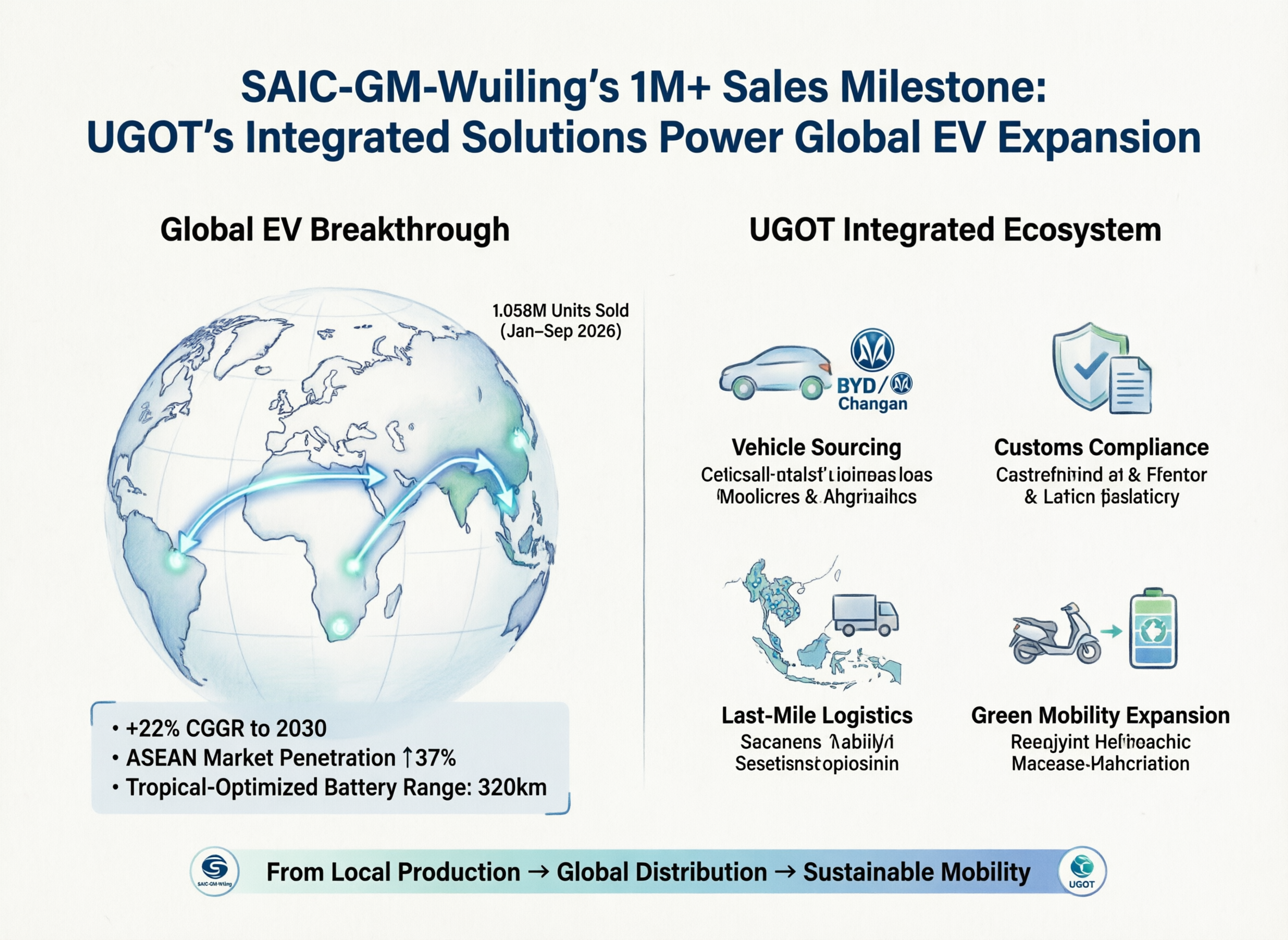 SAIC-GM-Wuling’s 1M+ Sales Milestone: UGOT’s Integrated Solutions Power Global EV Expansion
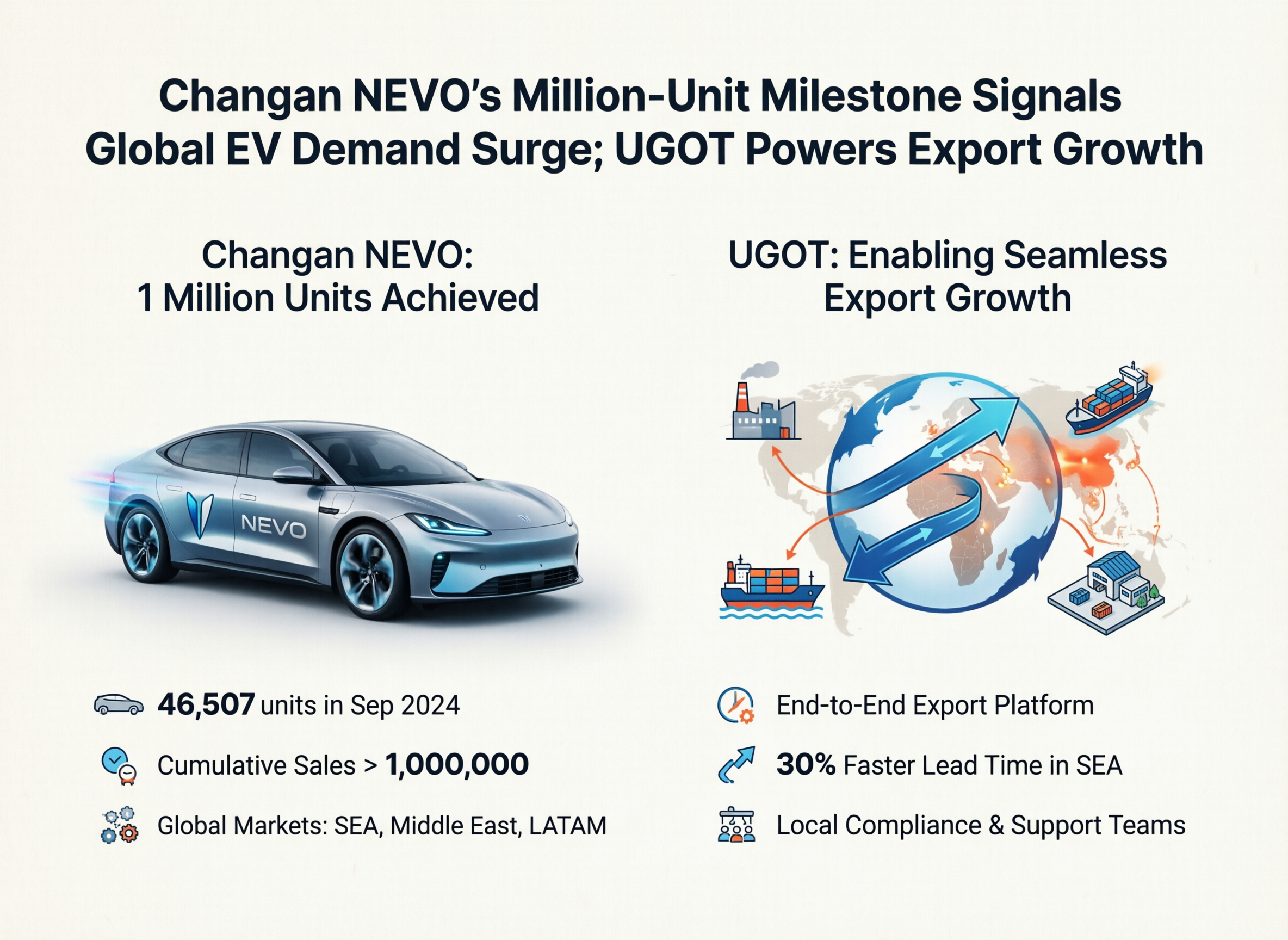 Changan NEVO’s Million-Unit Milestone Signals Global EV Demand Surge; UGOT Powers Export Growth
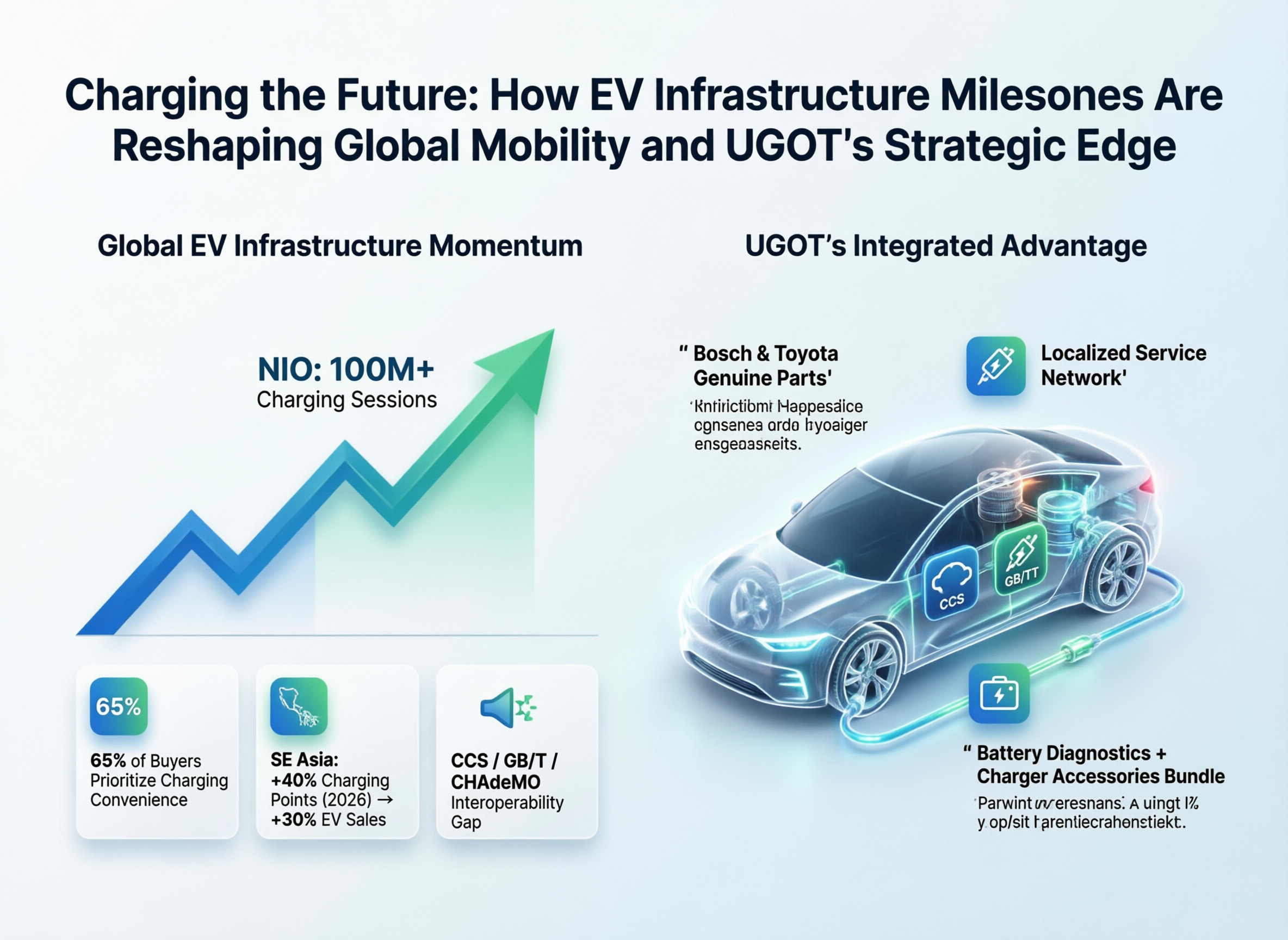 Charging the Future: How EV Infrastructure Milestones Are Reshaping Global Mobility and UGOT’s Strategic Edge