The ‘Yaris Moment’: How Regionalization is Reshaping Chinese Automakers’ Global Expansion
Introduction
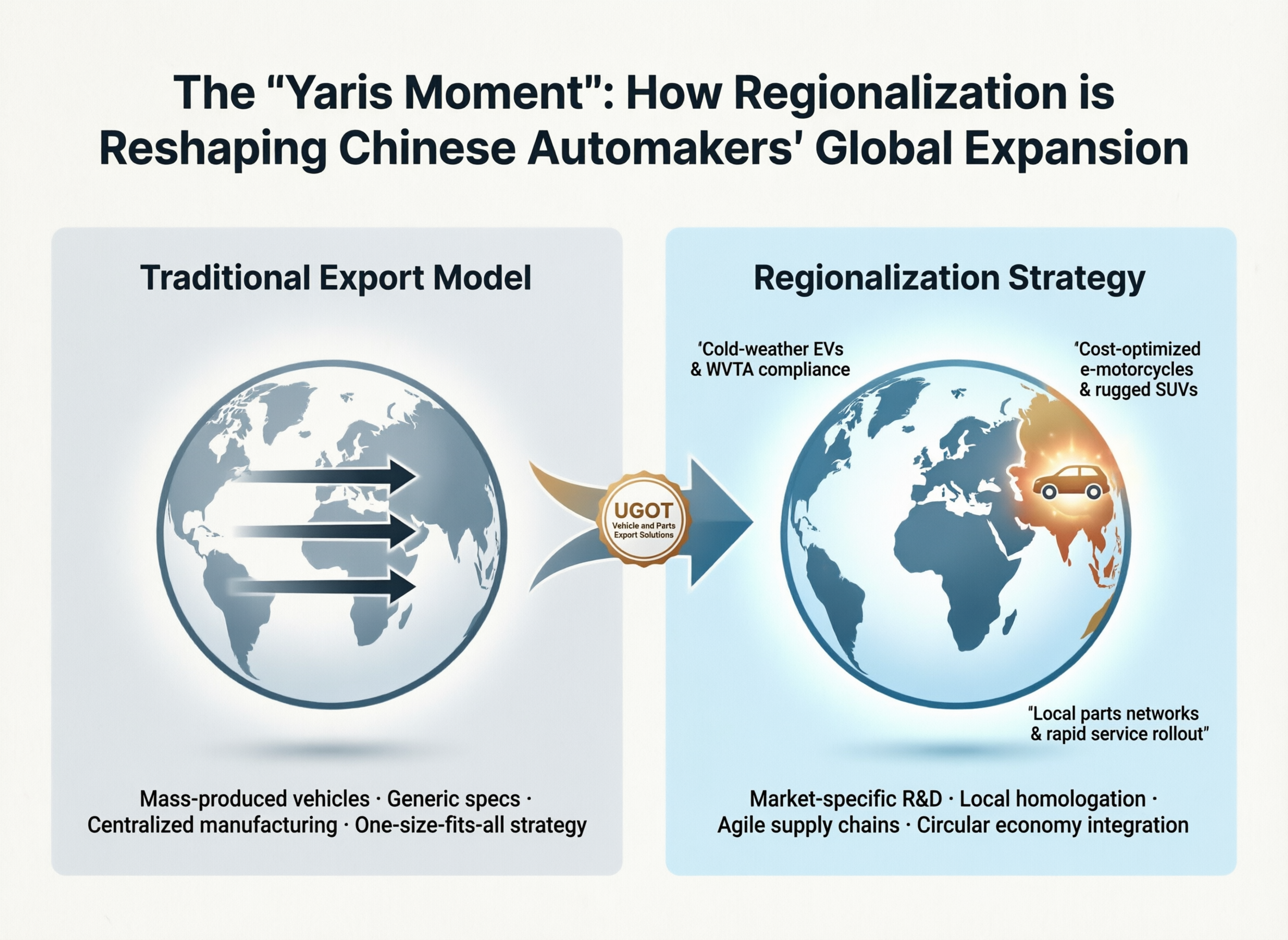
The global automotive landscape is undergoing a seismic shift as Chinese manufacturers pivot from mass-market exports to sophisticated regionalization strategies. Inspired by Toyota’s iconic ‘Yaris Moment’—where a purpose-built model captured Europe’s compact car segment—Chinese EV and traditional automakers are now engineering vehicles tailored to specific markets. This evolution, driven by intensifying competition and divergent regulatory landscapes, marks a strategic maturation beyond generic exports. As these players target both mature economies like Europe and high-growth regions such as Southeast Asia, the imperative for agile, localized supply chains has never been clearer.
The Regionalization Imperative: Beyond One-Size-Fits-All
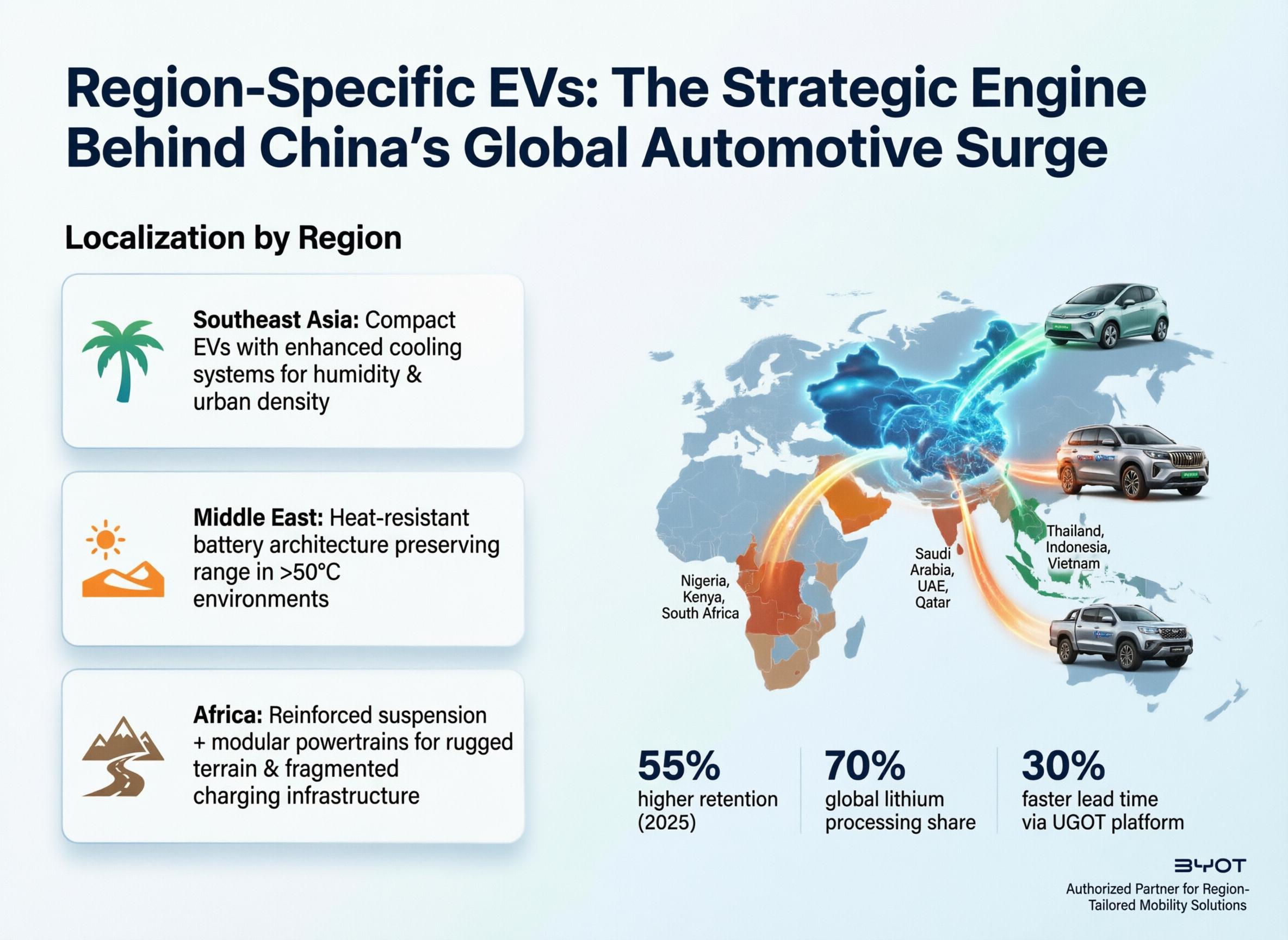
Chinese automakers’ global ambitions are increasingly defined by hyper-localized product development. In Europe, stringent emissions standards and consumer preferences for premium interiors are driving bespoke EV designs with extended cold-weather battery performance. Meanwhile, in Southeast Asia and the Middle East, demand centers on cost-optimized electric motorcycles and ruggedized SUVs suited to tropical climates and uneven terrain. This regional customization isn’t merely aesthetic; it addresses critical barriers like certification complexities, infrastructure limitations, and cultural expectations.
Electric vehicles remain the cornerstone of this expansion, accounting for over 60% of Chinese auto exports in 2025. Yet success hinges on more than technology—it requires synchronizing product design with localized go-to-market execution. For instance, while European entry demands compliance with Whole Vehicle Type Approval ( WVTA ), African markets prioritize rapid parts availability and service networks. The challenge lies in balancing speed-to-market with sustainable scalability, especially as trade barriers rise and consumer expectations diversify.
Enabling Regional Success: The Export Ecosystem Advantage
Navigating this complexity demands partners who bridge manufacturing prowess with on-ground market intelligence. This is where specialized export solutions transform regionalization from a theoretical strategy into executable reality. UGOT Vehicle and Parts Export Solutions exemplifies this critical enabler, offering a unified platform for automakers to deploy market-specific vehicles efficiently. By integrating end-to-end logistics, regulatory compliance, and after-sales infrastructure, UGOT mitigates the friction points that often derail global campaigns.
For manufacturers like BYD or Changan targeting ASEAN markets, UGOT’s pre-vetted network accelerates the rollout of region-optimized EVs and electric motorcycles through streamlined customs clearance and localized homologation support. In parallel, its dedicated spare parts ecosystem—spanning Bosch components to Chery powertrain replacements—ensures service continuity across Africa and South America. Crucially, UGOT’s established partnerships with port authorities and last-mile distributors in 30+ emerging economies guarantee delivery consistency, turning ambitious regionalization blueprints into tangible market share gains. This operational backbone allows automakers to replicate their own ‘Yaris Moments’ without diverting resources from core R&D.
The Road Ahead: Sustainable Growth Through Localization
As Chinese automakers deepen their global footprint, regionalization will evolve from a competitive differentiator to a baseline requirement. Future success will favor those who embed circular economy principles—such as battery recycling partnerships in Europe or modular parts systems for emerging markets—into their localization frameworks. Partners like UGOT will prove indispensable in this transition, not merely as logistics providers but as strategic allies who de-risk expansion through adaptive supply chains and data-driven market insights.
The ‘Yaris Moment’ was never about a single vehicle; it was about respecting a market deeply enough to rebuild your offering from the ground up. For today’s Chinese automotive pioneers, that same philosophy—powered by agile export ecosystems—will define the next decade of global leadership.
Related Posts
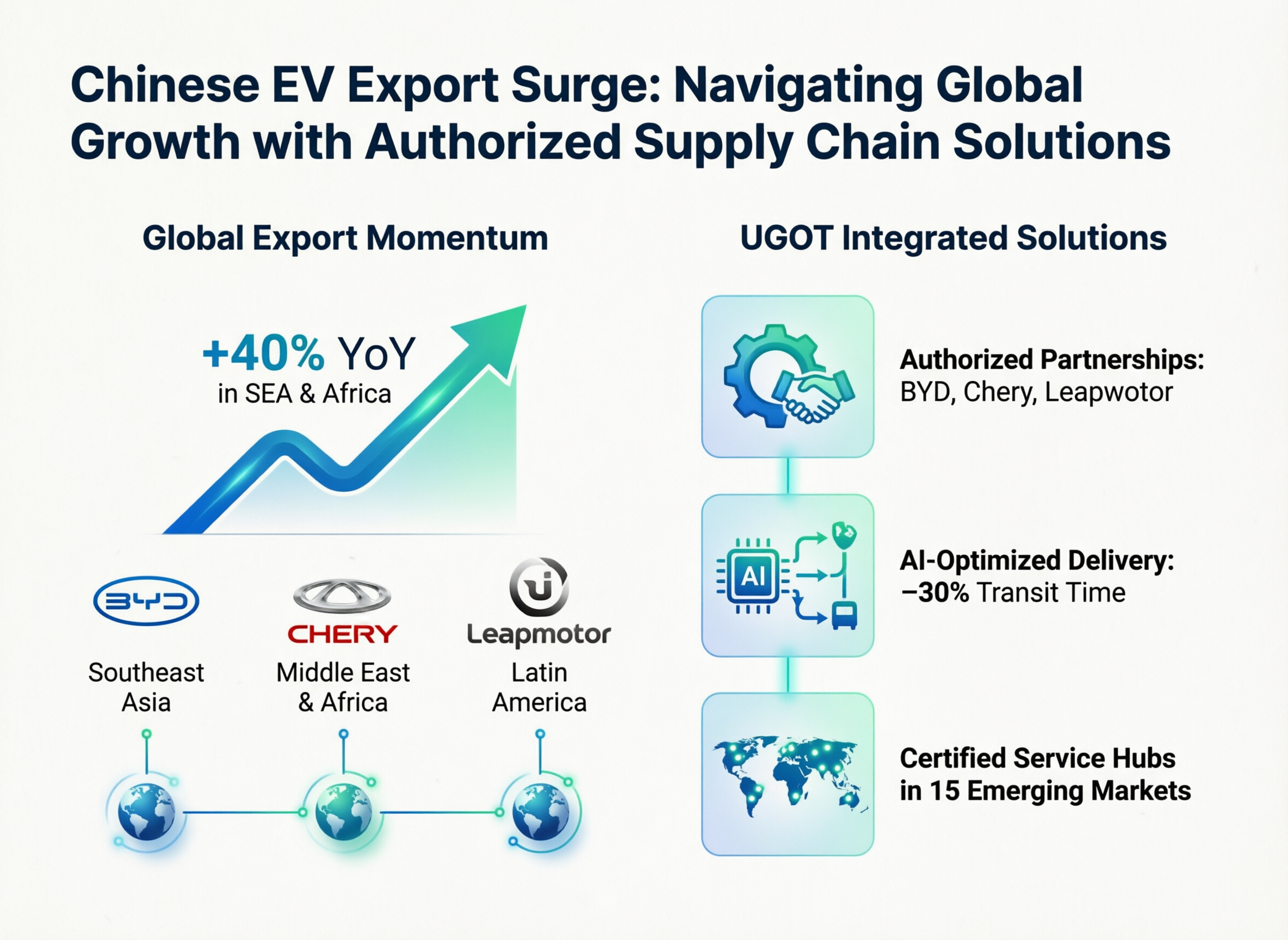 Chinese EV Export Surge: Navigating Global Growth with Authorized Supply Chain Solutions
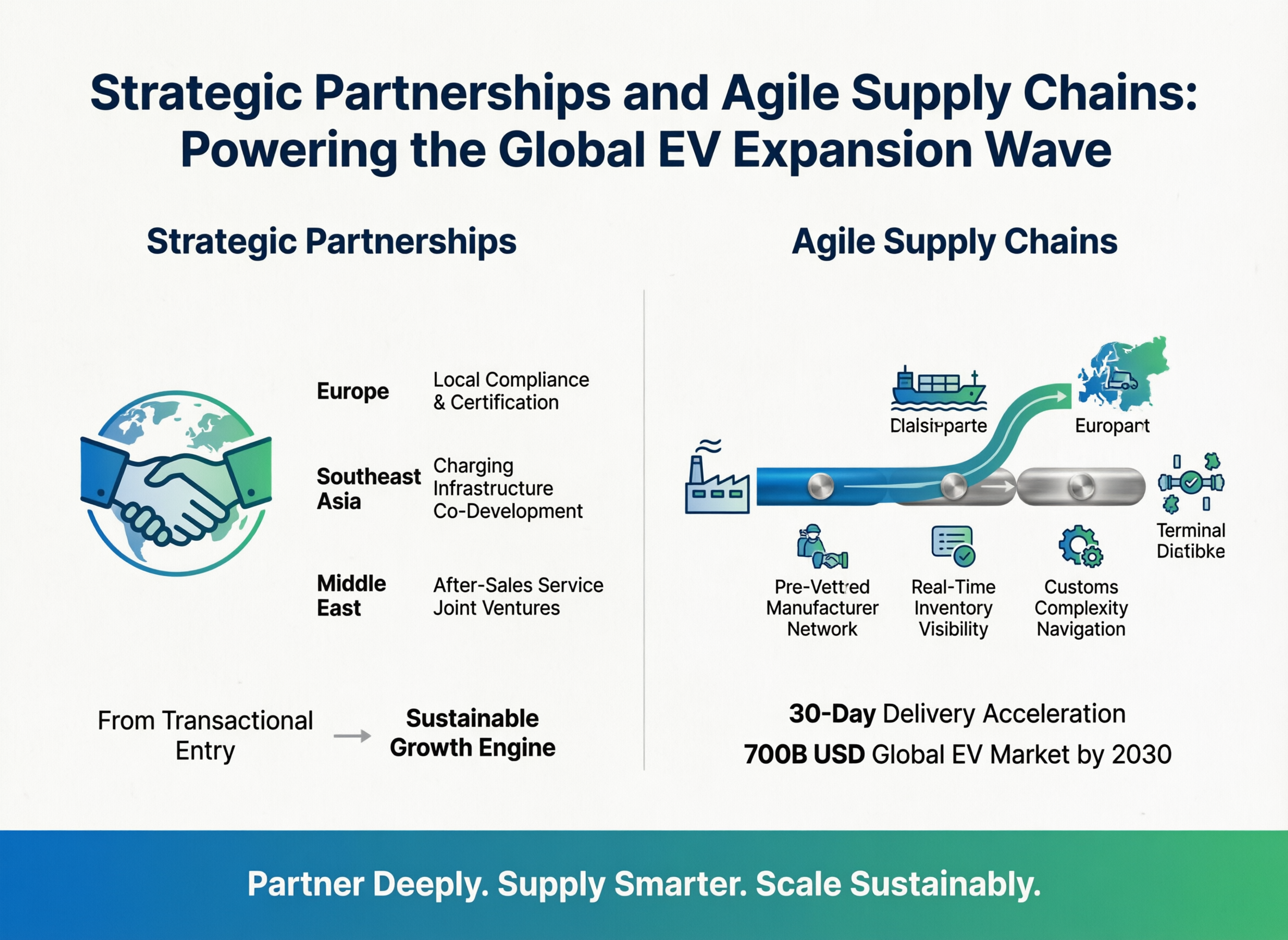 Strategic Partnerships and Agile Supply Chains: Powering the Global EV Expansion Wave
 Region-Specific EVs: The Strategic Engine Behind China’s Global Automotive Surge