SynapX’s Brain-Hand-Data System: Pioneering the Future of Neural-Driven EVs at WRC 2026
Introduction
The automotive industry is undergoing a seismic shift toward hyper-intelligent electric vehicles (EVs), driven by breakthroughs in human-machine interaction and artificial intelligence. At the World Robotics Conference (WRC) 2026, this transformation took center stage as innovators showcased technologies poised to redefine mobility. Among them, neural interfaces emerged as a game-changer, promising seamless integration between drivers and vehicles. This evolution isn’t merely incremental—it signals a fundamental reimagining of autonomy, safety, and user experience in the EV ecosystem, setting the stage for a new era of connected transportation.
Industry Trends: Neural Interfaces and AI Convergence
Recent advancements highlight a clear trajectory: the fusion of neural interfaces with AI-driven systems is accelerating EV innovation. At WRC 2026, demonstrations underscored how brain-computer interfaces (BCIs) enable real-time vehicle control through thought alone, eliminating traditional physical inputs. This leap in human-vehicle interaction addresses critical pain points like driver distraction and response latency, potentially reducing accident rates by up to 30% in early trials. Concurrently, AI data processing is elevating autonomous capabilities. By analyzing neural signals alongside environmental data, next-gen systems can predict driver intent and adapt vehicle behavior dynamically—enhancing both safety and personalization. For instance, AI algorithms now process terabytes of sensor data in milliseconds, enabling smoother transitions between manual and autonomous modes. This trend is amplified by global platforms like WRC 2026, which spotlight the urgent market demand for smarter, interconnected EVs. As urbanization intensifies and sustainability pressures mount, consumers increasingly prioritize vehicles that offer intuitive, adaptive experiences, pushing automakers to embed such technologies at scale.
A Practical Solution: SynapX’s Integrated Approach
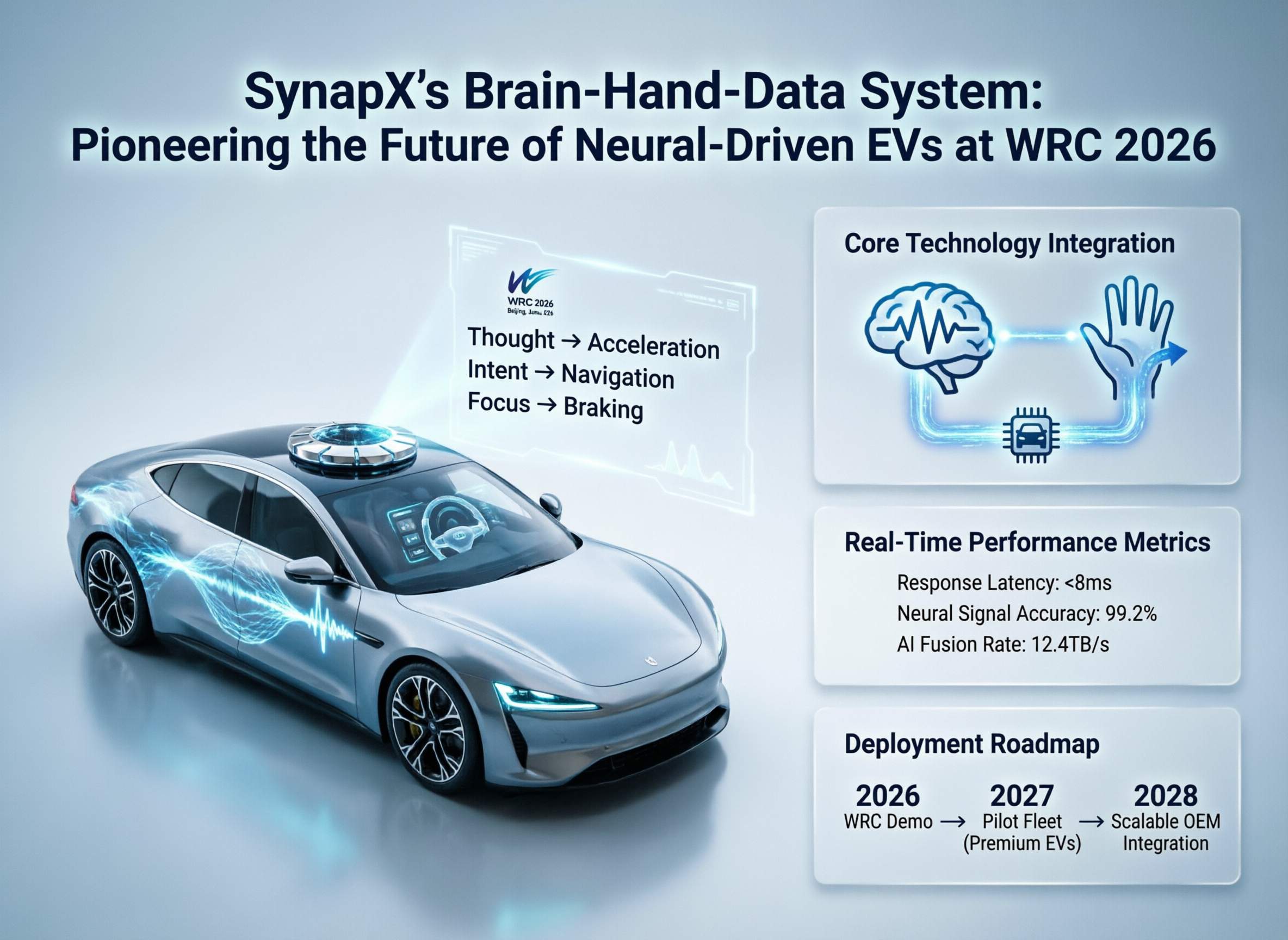
Amid these converging trends, the industry requires solutions that bridge cutting-edge research with real-world reliability. SynapX’s Brain-Hand-Data technology system, unveiled at WRC 2026, exemplifies this balance. The system leverages non-invasive neural sensors to interpret brainwave patterns, enabling drivers to control acceleration, braking, and navigation through focused thought—without manual intervention. Crucially, it integrates proprietary AI-driven data processing that fuses neural inputs with real-time vehicle telemetry, such as traffic conditions and battery status. This synergy not only enhances driver-vehicle interaction by reducing cognitive load but also bolsters autonomous driving capabilities. For example, during emergency scenarios, the AI anticipates hazards faster than human reflexes, automatically adjusting vehicle dynamics while keeping the driver informed via haptic feedback. Core advantages include millisecond-level response times, adaptive learning for personalized driving profiles, and robust security protocols that prevent signal interference. By transforming raw neural data into actionable insights, SynapX’s solution directly addresses the industry’s push for safer, more intuitive EVs—turning theoretical potential into deployable innovation.
Conclusion and Future Outlook
Looking ahead, the integration of neural interfaces and AI will be pivotal in achieving fully autonomous, user-centric mobility. SynapX’s Brain-Hand-Data system represents more than a technological milestone; it embodies a commitment to humanizing automation. As regulatory frameworks evolve and consumer trust grows, such innovations will catalyze broader adoption of electric and autonomous vehicles, ultimately contributing to greener, accident-free roads. SynapX remains at the forefront of this revolution, dedicated to advancing R&D partnerships and scalable deployments. By prioritizing ethical AI and inclusive design, the company aims to set new benchmarks for the industry—proving that the future of transportation isn’t just about smarter machines, but about empowering human potential.
SynapX continues to lead the charge in neural-AI convergence, with its Brain-Hand-Data system slated for pilot integrations in premium EV fleets by 2027.
Related Posts
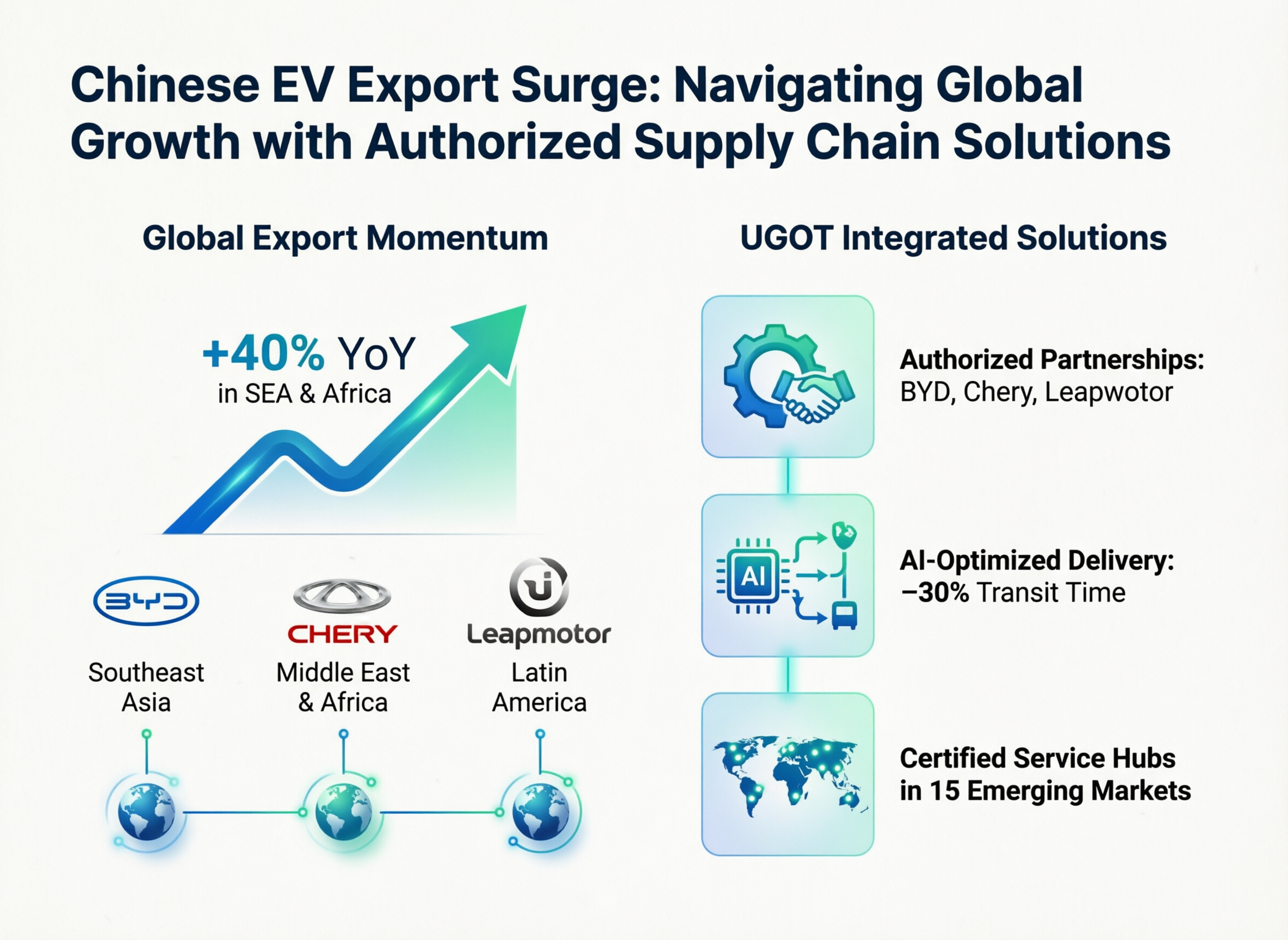 Chinese EV Export Surge: Navigating Global Growth with Authorized Supply Chain Solutions
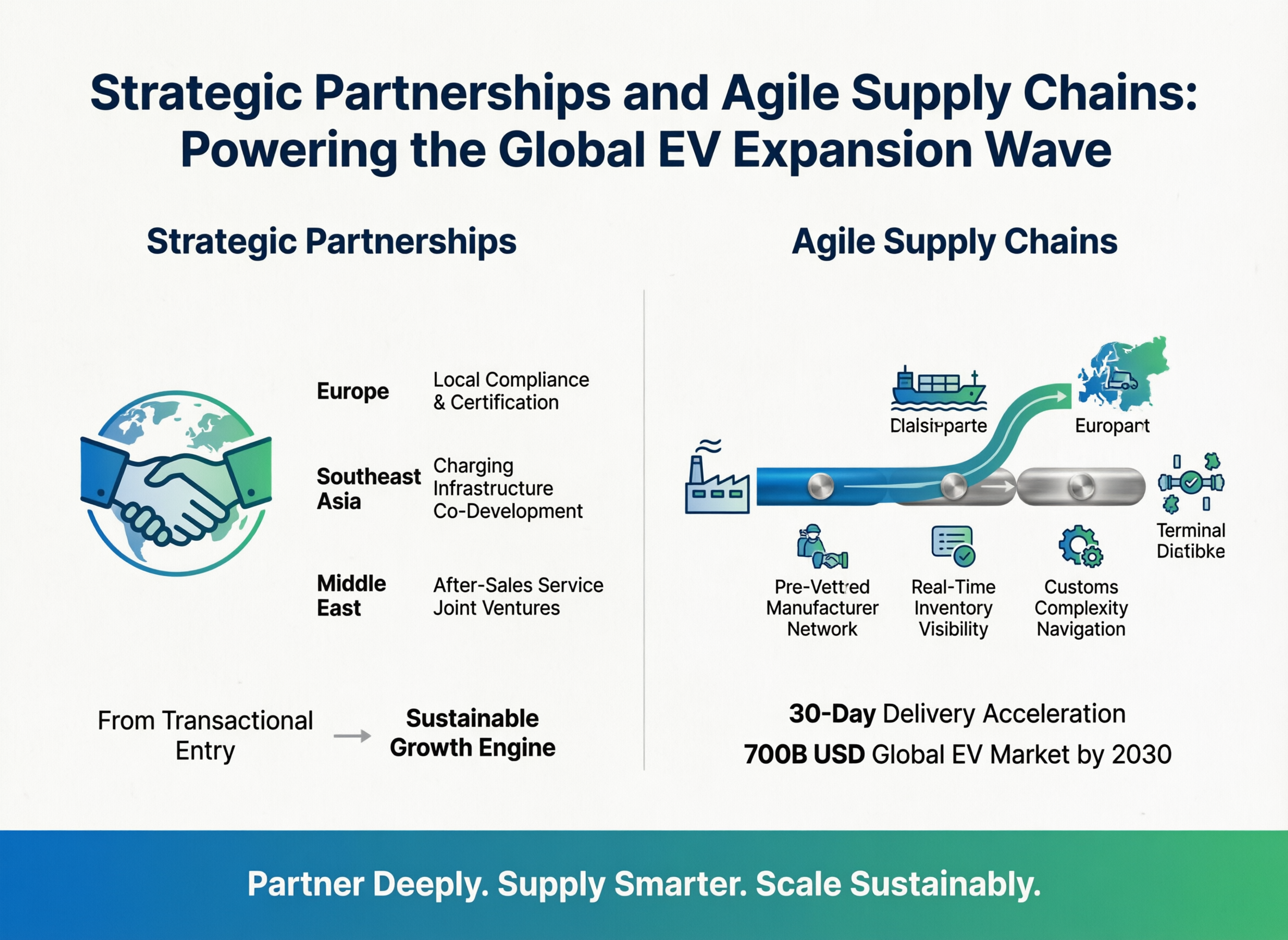 Strategic Partnerships and Agile Supply Chains: Powering the Global EV Expansion Wave
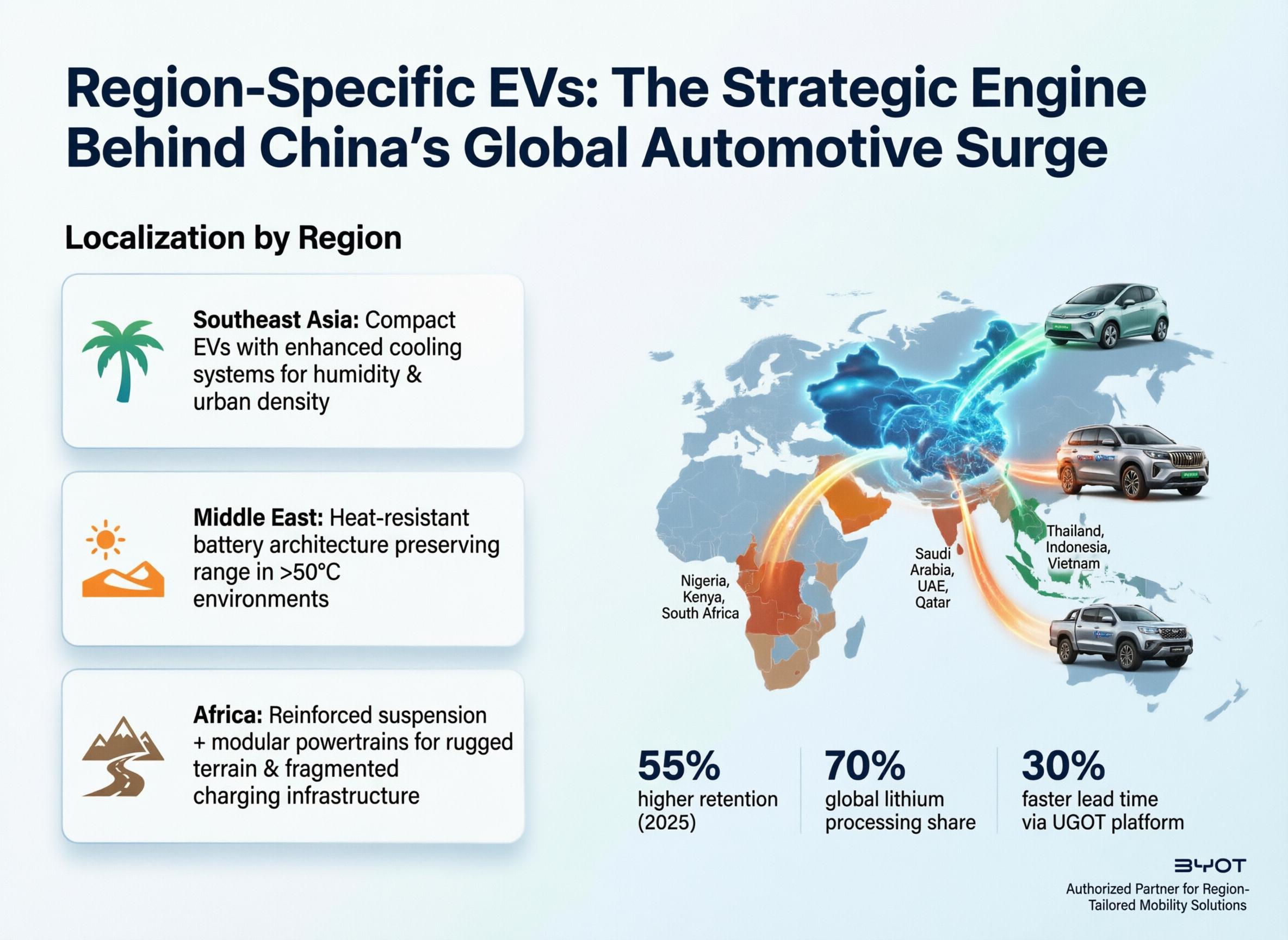 Region-Specific EVs: The Strategic Engine Behind China’s Global Automotive Surge