
Global EV Expansion Demands Agile Supply Chains: Navigating Emerging Market Opportunities
Introduction
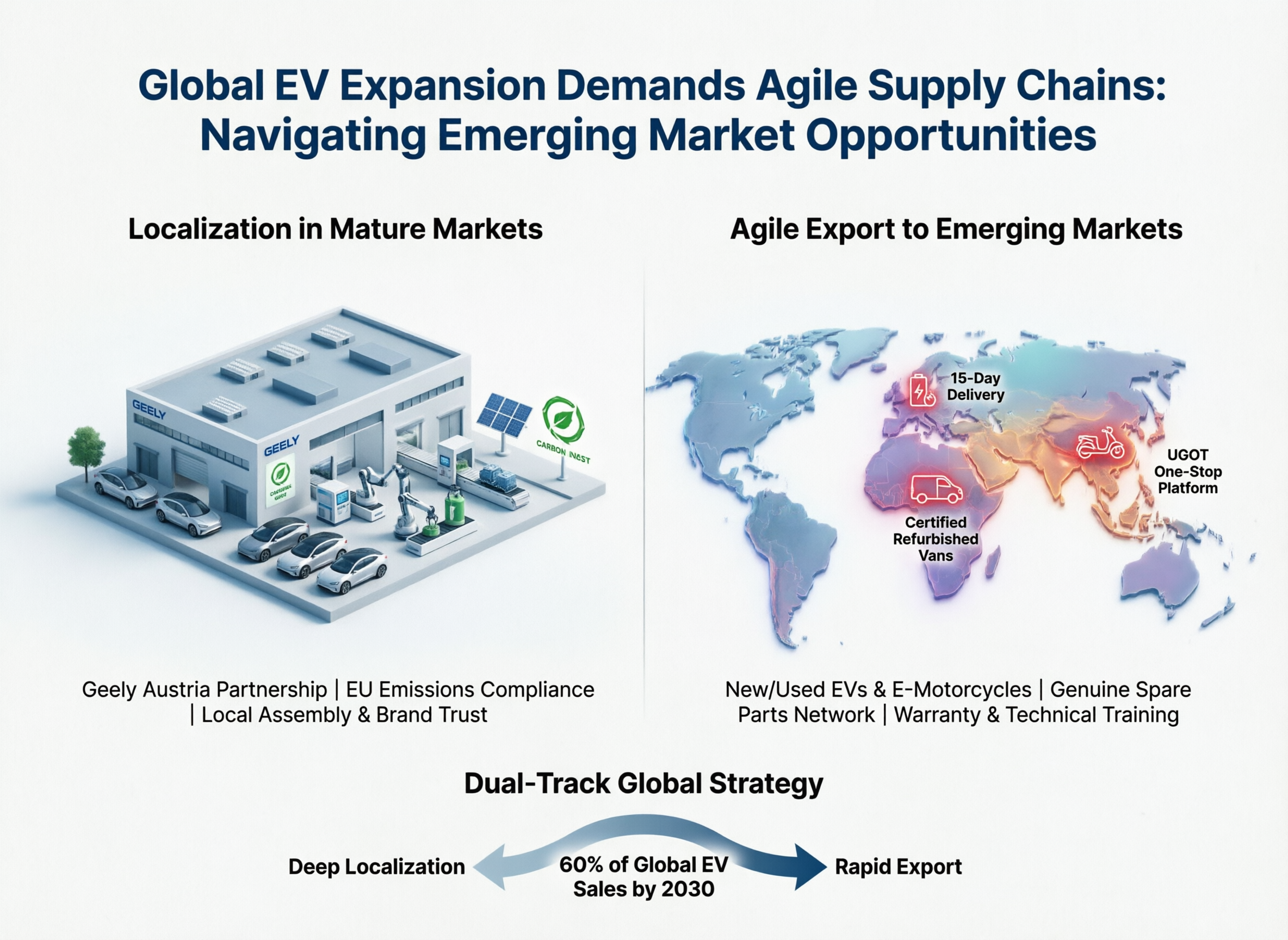
The automotive landscape is undergoing a seismic shift as Chinese electric vehicle (EV) manufacturers accelerate their global footprint. Geely’s recent strategic partnership in Austria exemplifies this trend, targeting enhanced local production capabilities and market competitiveness in Europe. This move underscores a broader industry pivot: EV makers are no longer content with exporting finished vehicles but are embedding themselves within regional ecosystems to overcome regulatory hurdles, adapt to consumer preferences, and secure long-term growth. As global EV trade volumes surge, the ripple effects extend far beyond established markets, creating both challenges and unprecedented opportunities for supply chain innovation worldwide.
The Localization Imperative and Its Global Ripple Effects
Geely’s Austria expansion highlights a critical evolution in EV globalization. Rather than relying solely on cross-border shipments, manufacturers now prioritize localized partnerships to navigate complex regulatory environments like the EU’s stringent emissions standards and safety certifications. This strategy reduces tariffs, shortens delivery timelines, and fosters brand trust through community integration. However, this Europe-centric approach reveals a parallel reality: while developed markets demand deep localization, high-growth emerging regions—such as Southeast Asia, the Middle East, Africa, and Latin America—face distinct challenges. These markets exhibit surging EV adoption but grapple with fragmented infrastructure, price sensitivity, and acute shortages of genuine spare parts. Consequently, a dual-track global expansion is emerging: capital-intensive localization in mature economies versus agile, cost-efficient distribution networks in developing regions. The common thread? Both require supply chains that balance resilience with adaptability.
Bridging the Gap: Specialized Export Solutions for Emerging Markets
Amid this bifurcated landscape, automotive distributors and fleet operators in emerging economies need partners who can circumvent traditional bottlenecks. Unlike European strategies focused on assembly plants, these regions demand rapid access to diverse vehicle portfolios—from new EVs to certified pre-owned models—and reliable spare parts to sustain operations. This is where specialized export services become strategic enablers. UGOT Global Automotive Export Services addresses these needs through a streamlined one-stop platform, offering end-to-end procurement of new/used vehicles, electric motorcycles, and genuine spare parts. By leveraging a vetted network of manufacturers and logistics partners, UGOT ensures stable supply chains that bypass port congestion and customs delays, coupled with rapid delivery cycles tailored to volatile markets. Its professional after-sales support—including warranty management and technical training—further mitigates downtime risks for clients. For instance, a distributor in Vietnam can source Geely-compatible EV batteries within 15 days, while a Nigerian fleet operator accesses refurbished electric vans with certified safety compliance. This model doesn’t compete with localization efforts like Geely’s; instead, it complements global EV proliferation by making technology accessible where full-scale manufacturing remains impractical.
Conclusion: The Road Ahead for Inclusive EV Growth
The future of electric mobility hinges on inclusive expansion. As pioneers like Geely reshape Europe’s automotive fabric, emerging markets will drive the next wave of volume growth—projected to account for 60% of global EV sales by 2030. Success in these regions demands partners who understand their unique constraints and opportunities. UGOT Global Automotive Export Services embodies this philosophy, transforming supply chain agility into a competitive advantage for businesses navigating high-potential yet complex territories. By ensuring vehicles and parts reach customers swiftly and reliably, UGOT doesn’t just move products; it accelerates the democratization of sustainable transport. In an era where global EV leadership is defined by both localization depth and export breadth, such partnerships will prove indispensable to building a truly borderless electric future.
Related Posts
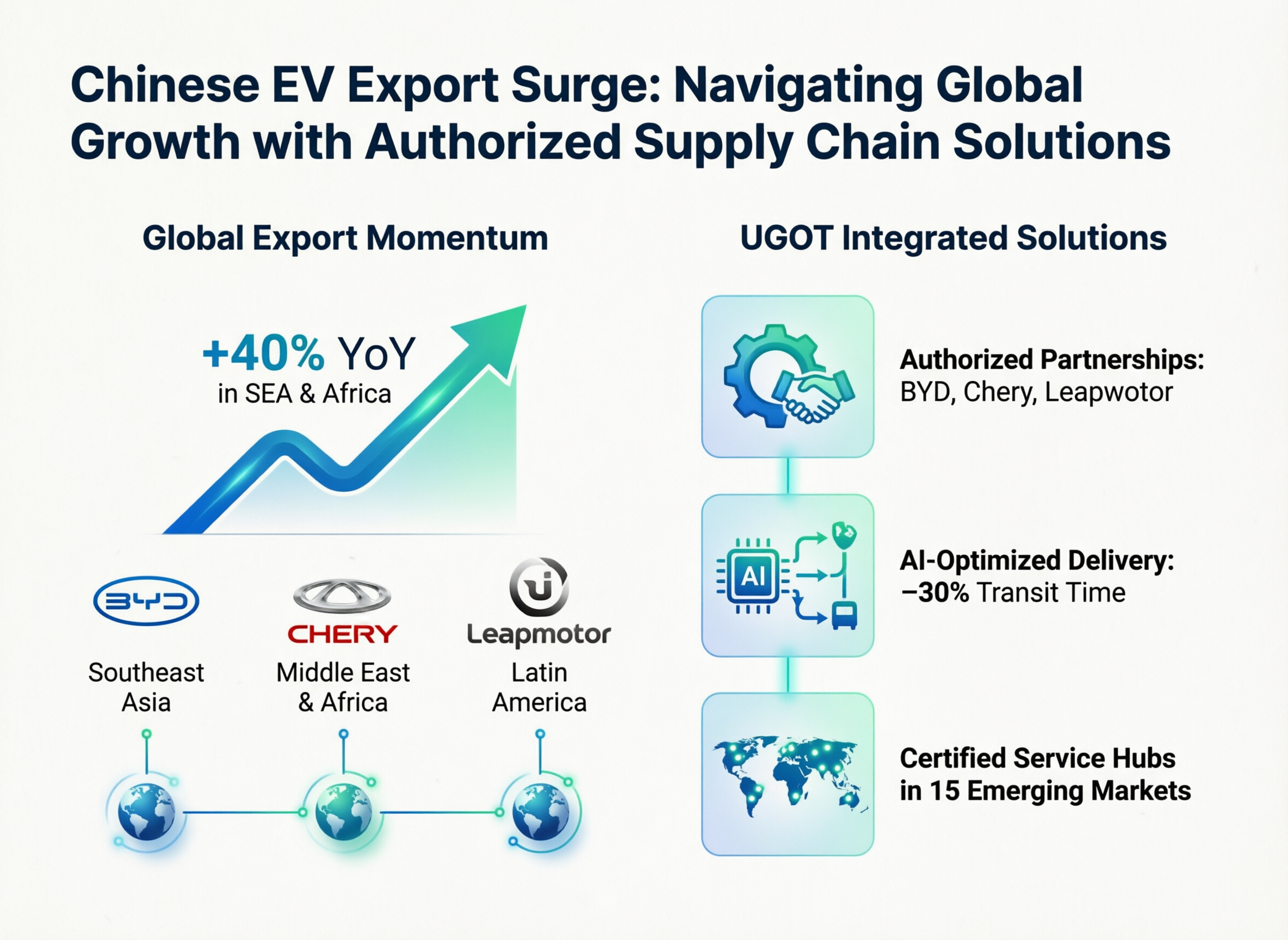 Chinese EV Export Surge: Navigating Global Growth with Authorized Supply Chain Solutions
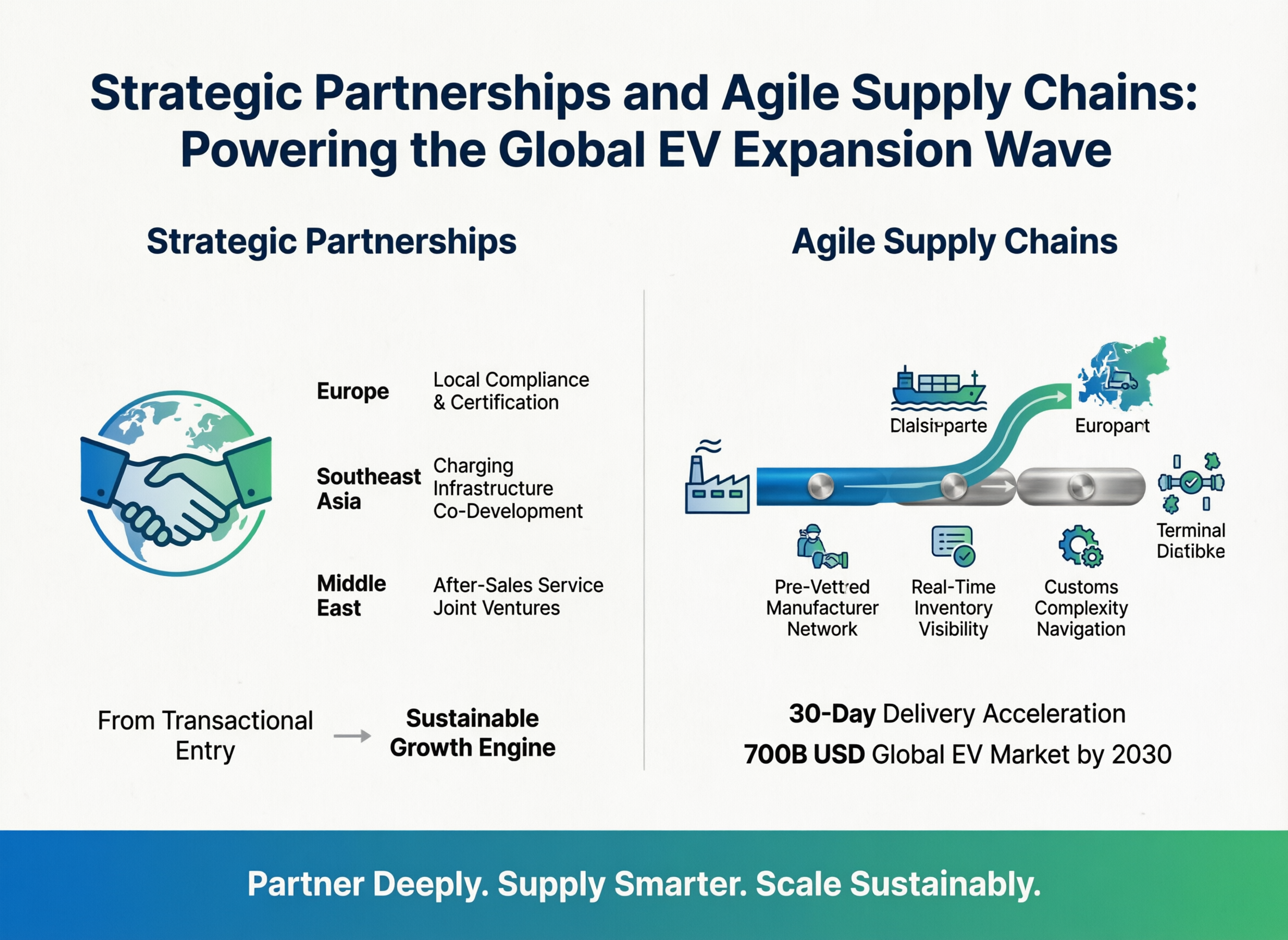 Strategic Partnerships and Agile Supply Chains: Powering the Global EV Expansion Wave
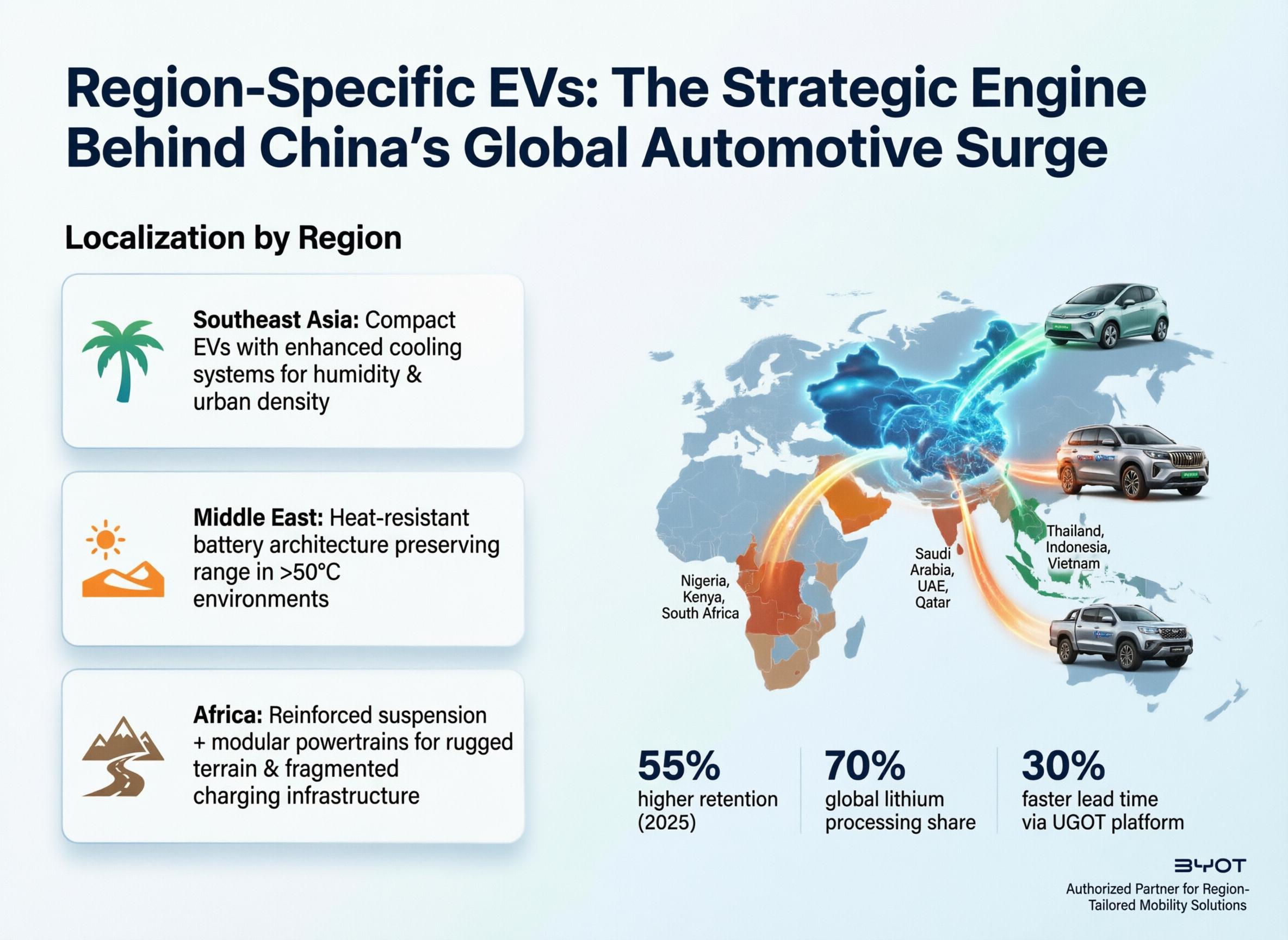 Region-Specific EVs: The Strategic Engine Behind China’s Global Automotive Surge