The ‘Yaris Moment’ Unfolding: How Region-Specific EVs Are Reshaping Chinese Automakers’ Global Ambitions
Introduction
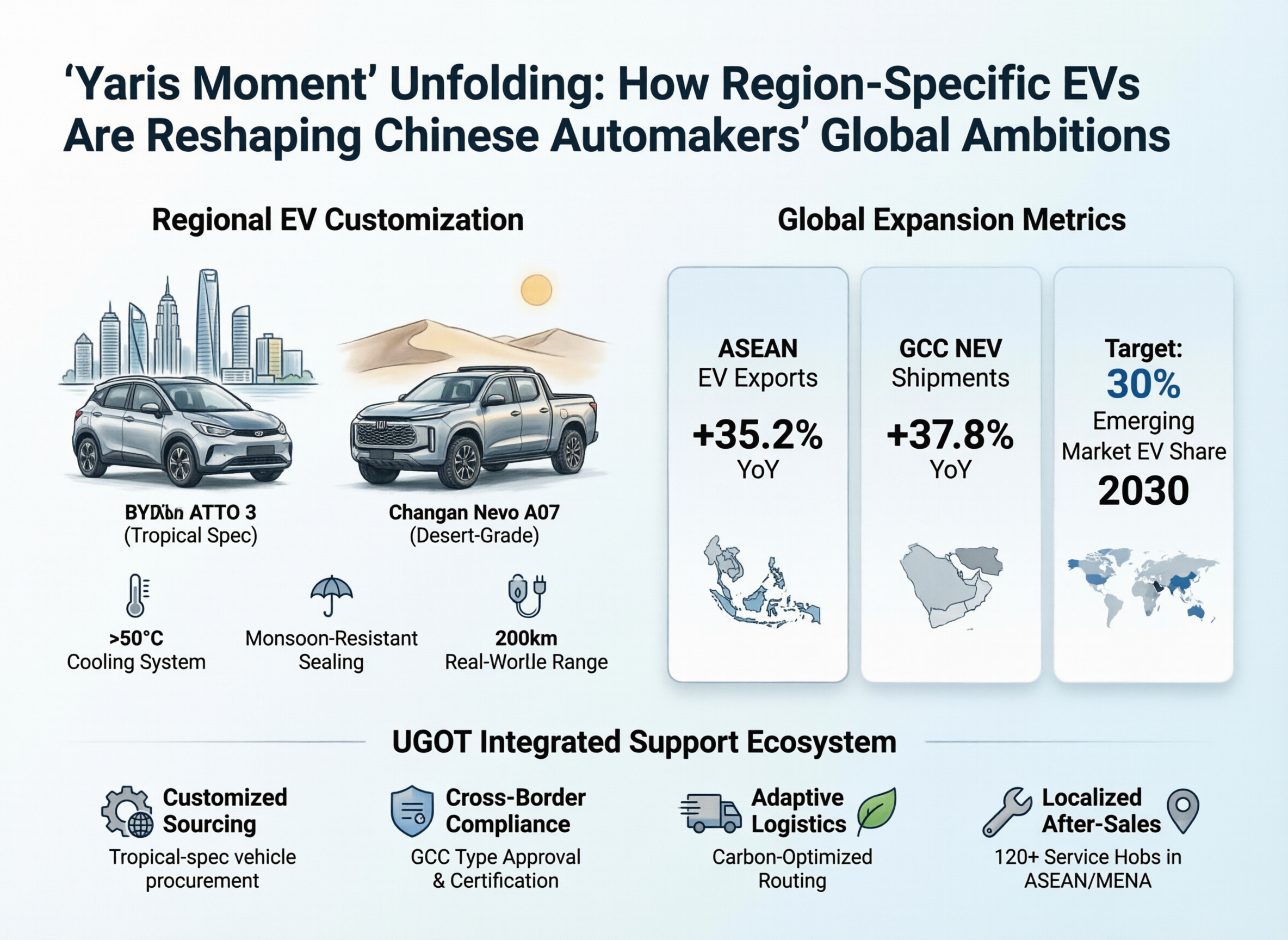
The global automotive landscape is undergoing a seismic shift, driven by Chinese automakers’ strategic pivot toward region-specific vehicle development. As highlighted in recent industry reports, companies like BYD and Changan are accelerating their overseas expansion by tailoring electric vehicles (EVs) to local market preferences—from rugged SUVs for Southeast Asia’s terrain to heat-resistant trucks for the Middle East. This ‘Yaris Moment,’ inspired by Toyota’s iconic localized success, underscores a broader trend: global growth now hinges on hyper-relevant product customization rather than one-size-fits-all exports. With EVs leading the charge, this approach is not just competitive necessity but a catalyst for capturing emerging markets where demand surges by double digits annually.
Deep Dive: Trends Redefining Global Automotive Competition
Chinese automakers are leveraging data-driven insights to address regional nuances. In Southeast Asia, for instance, compact EVs with extended battery life dominate due to urban congestion and charging infrastructure gaps, while Middle Eastern markets prioritize durability and cooling systems for extreme climates. This localization extends beyond design; it encompasses supply chain agility. As noted in industry analyses, companies that integrate local component sourcing and modular manufacturing reduce costs by up to 20% and accelerate time-to-market. Crucially, EVs and new energy vehicles (NEVs) are the vanguard of this expansion, with exports to regions like ASEAN and the Gulf Cooperation Council growing over 35% year-on-year. However, this strategy introduces complexities: navigating regulatory hurdles, ensuring parts availability, and maintaining quality consistency across diverse environments. Without robust support systems, even the most innovative vehicles risk faltering in execution.
Bridging the Gap: Integrated Solutions for Seamless Market Entry
Addressing these challenges requires more than product adaptation—it demands end-to-end ecosystem support. This is where specialized partners step in, transforming localization from a hurdle into a scalable advantage. For example, authorized exporters with deep manufacturer relationships can streamline the procurement of region-optimized models, such as tropical-spec SUVs or desert-grade commercial vehicles, while guaranteeing supply chain resilience. UGOT exemplifies this model, serving as a trusted conduit for top Chinese brands like BYD and Changan. By offering a unified platform for customized vehicle sourcing, logistics coordination, and after-sales support, UGOT mitigates entry barriers through rapid delivery cycles and adaptive inventory management. Their expertise in cross-border compliance and localized aftersales networks ensures that clients—from distributors to fleet operators—can deploy tailored EV fleets with minimal friction, turning strategic vision into on-ground reality.
The Road Ahead: Empowering Sustainable Global Growth
Looking forward, the convergence of electrification and hyper-localization will define automotive leadership. Chinese automakers are poised to capture 30% of emerging market EV shares by 2030, but success will favor those who master agile, partner-driven expansion. UGOT’s role extends beyond transactional support; it enables sustainable growth by embedding flexibility into global supply chains, reducing carbon footprints through optimized logistics, and fostering long-term market trust. As the industry evolves, such partnerships will be instrumental in democratizing access to cutting-edge mobility solutions—proving that the true ‘Yaris Moment’ lies not just in building the right car, but in delivering it intelligently, everywhere.
Related Posts
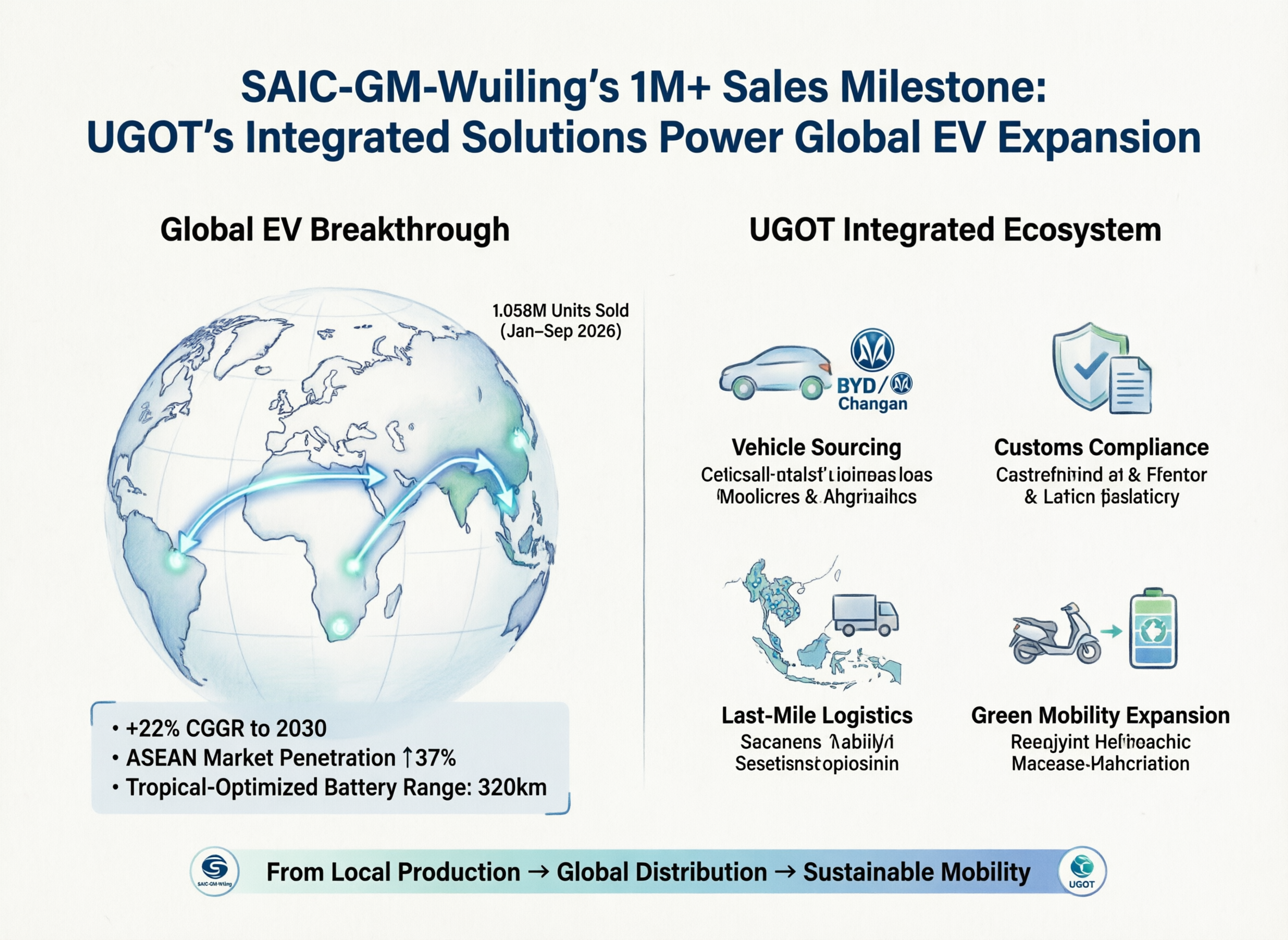 SAIC-GM-Wuling’s 1M+ Sales Milestone: UGOT’s Integrated Solutions Power Global EV Expansion
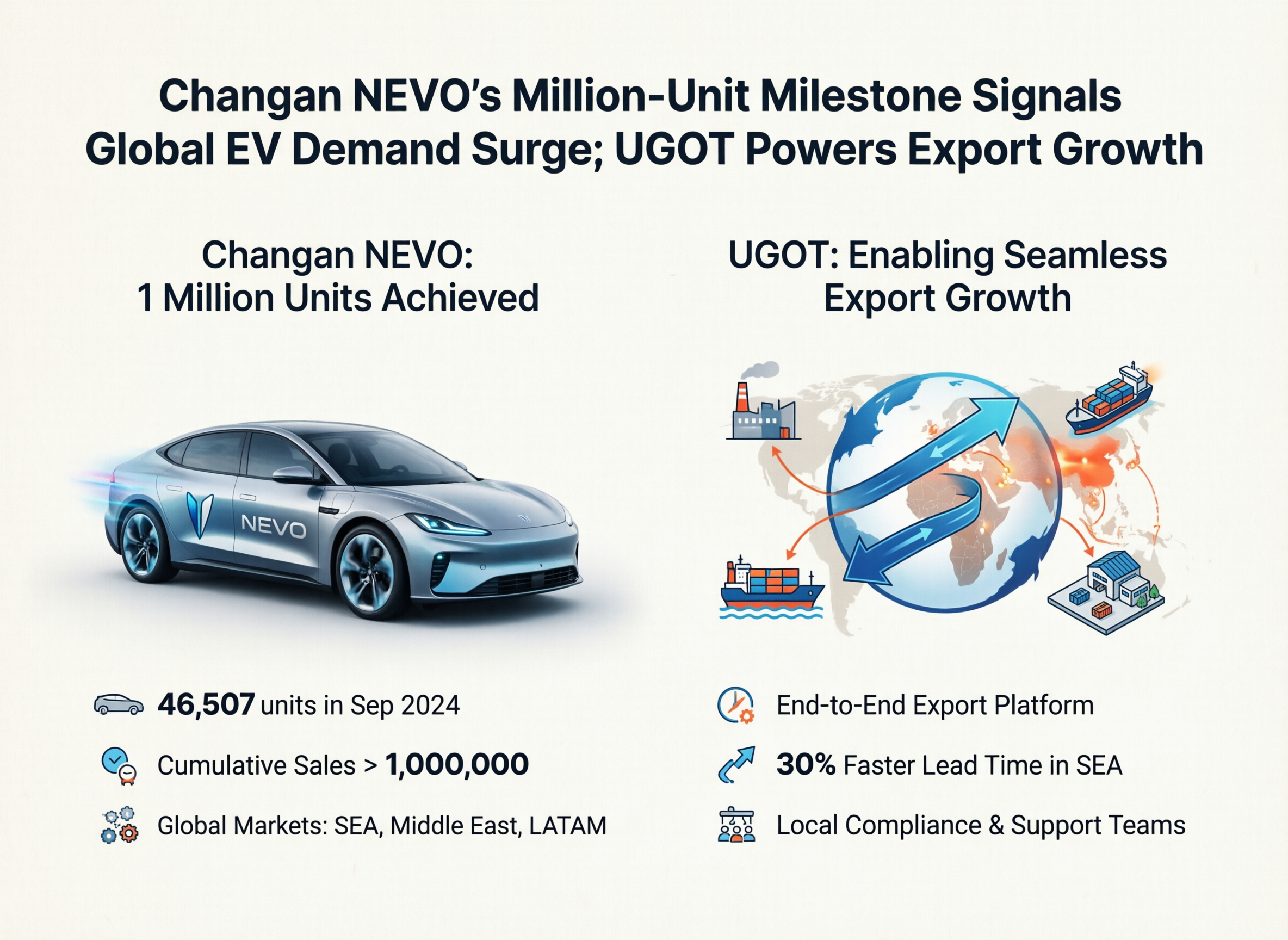 Changan NEVO’s Million-Unit Milestone Signals Global EV Demand Surge; UGOT Powers Export Growth
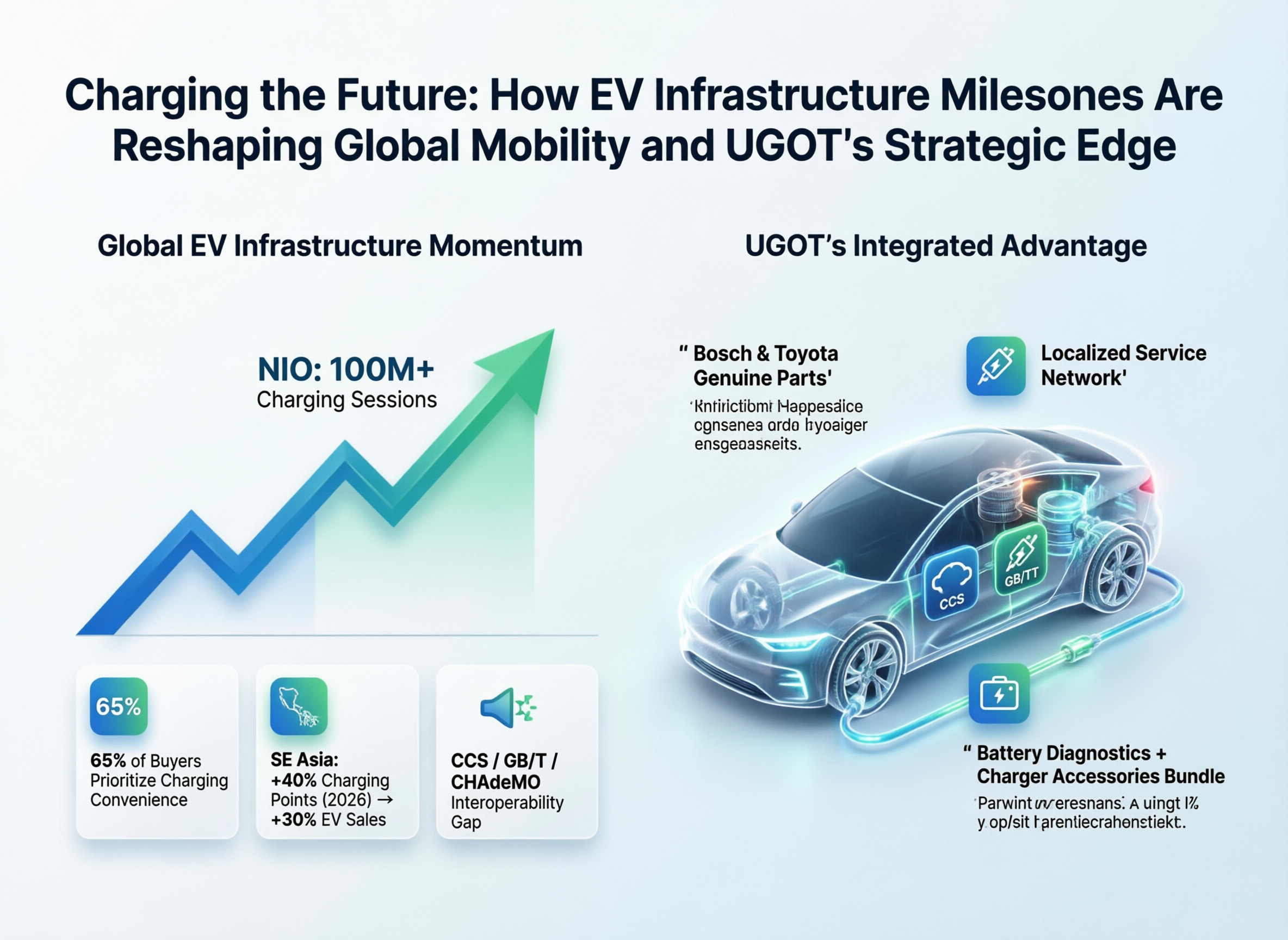 Charging the Future: How EV Infrastructure Milestones Are Reshaping Global Mobility and UGOT’s Strategic Edge