Region-Specific EVs: The Strategic Key to Chinese Automakers’ Global Expansion
Introduction
The global automotive landscape is undergoing a seismic shift as Chinese manufacturers pivot from mass-market exports to developing vehicles meticulously tailored for regional markets. Dubbed the industry’s ‘Yaris Moment’—referencing Toyota’s iconic region-specific success—this strategy marks a sophisticated evolution in China’s automotive globalization. With electric vehicles (EVs) at the forefront, Chinese brands are no longer merely competing on price but on nuanced understanding of local regulations, consumer preferences, and infrastructure realities. This transformation is accelerating export growth while redefining competitive dynamics worldwide.
The Rise of Hyper-Localized Automotive Strategy
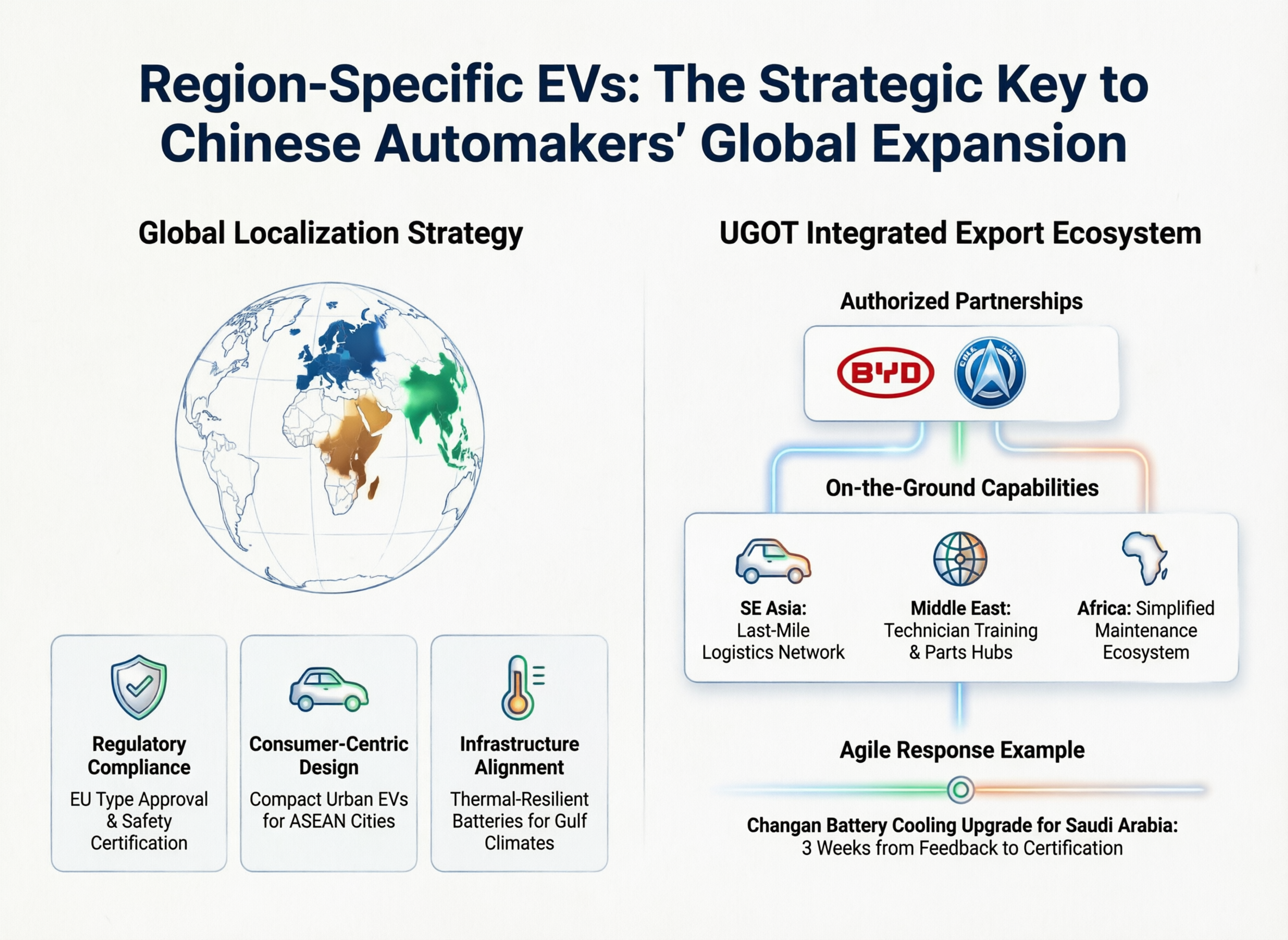
Chinese automakers recognize that one-size-fits-all approaches falter against diverse global demands. In Europe, stringent emissions standards and safety regulations necessitate engineering adaptations, while emerging markets like Southeast Asia prioritize affordability, ruggedness, and compact designs suited to dense urban environments. Simultaneously, the Middle East demands thermal resilience for extreme climates, and African markets require simplified maintenance ecosystems. EVs amplify these complexities: battery performance varies by temperature, charging infrastructure differs radically by region, and consumer expectations around range and features are culturally shaped.
This localization imperative extends beyond product design. Trade barriers—including tariffs, certification hurdles, and data compliance laws—demand agile supply chain restructuring. For instance, European Union anti-subsidy investigations have compelled Chinese brands to establish local assembly partnerships. Meanwhile, in price-sensitive regions, modular platforms that allow cost-effective customization without compromising quality have become critical differentiators. The result? A surge in exports: China overtook Japan as the world’s largest auto exporter in 2023, with EVs constituting over 30% of shipments to Europe and explosive growth in ASEAN and Gulf markets.
Enabling Seamless Globalization Through Integrated Solutions
Navigating this fragmented landscape requires more than manufacturing prowess—it demands end-to-end export ecosystems. This is where specialized partners bridge the gap between ambitious automakers and volatile global markets. Companies like UGOT have emerged as pivotal enablers, offering one-stop export solutions that de-risk internationalization. Through authorized partnerships with industry leaders such as BYD and Changan, UGOT ensures seamless delivery of region-specific EVs while guaranteeing compliance, authenticity, and brand integrity.
UGOT’s value lies in its mature, on-the-ground infrastructure across high-growth corridors. In Southeast Asia, its localized logistics network navigates complex port regulations and last-mile delivery challenges for compact EVs. In the Middle East and Africa, UGOT provides tailored after-sales ecosystems—including technician training programs and spare parts hubs—that address service deserts and build consumer trust. This operational granularity allows Chinese brands to rapidly adapt to market feedback: when a Changan model required battery cooling modifications for Saudi summers, UGOT coordinated engineering adjustments and certification within weeks, avoiding months of delays. Such agility transforms localization from a cost center into a competitive weapon.
The Road Ahead
As geopolitical tensions and regulatory fragmentation intensify, hyper-localization will cease to be optional for global automakers. The next frontier involves AI-driven demand forecasting and modular vehicle architectures that enable real-time customization. For Chinese EV manufacturers, success will hinge on partners who combine regulatory expertise with grassroots market intelligence. UGOT exemplifies this evolution—not merely as a logistics vendor but as a strategic growth catalyst that turns regional complexity into scalable opportunity. By shouldering the operational burdens of globalization, such partnerships empower automakers to focus on their core innovation: building vehicles that resonate deeply, wherever they drive.
In this new era, the winners won’t just make cars for the world—they’ll make cars of the world.
Related Posts
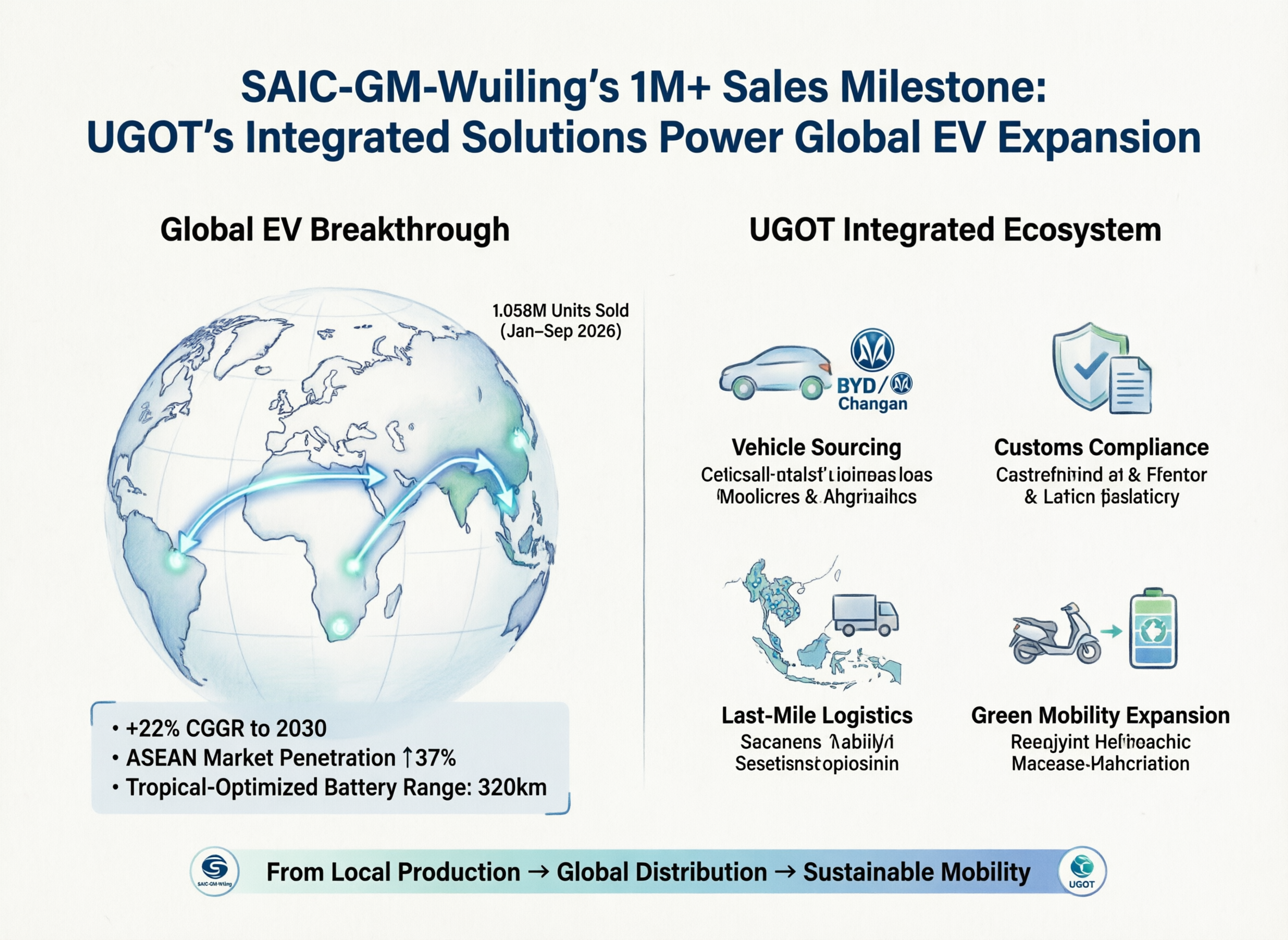 SAIC-GM-Wuling’s 1M+ Sales Milestone: UGOT’s Integrated Solutions Power Global EV Expansion
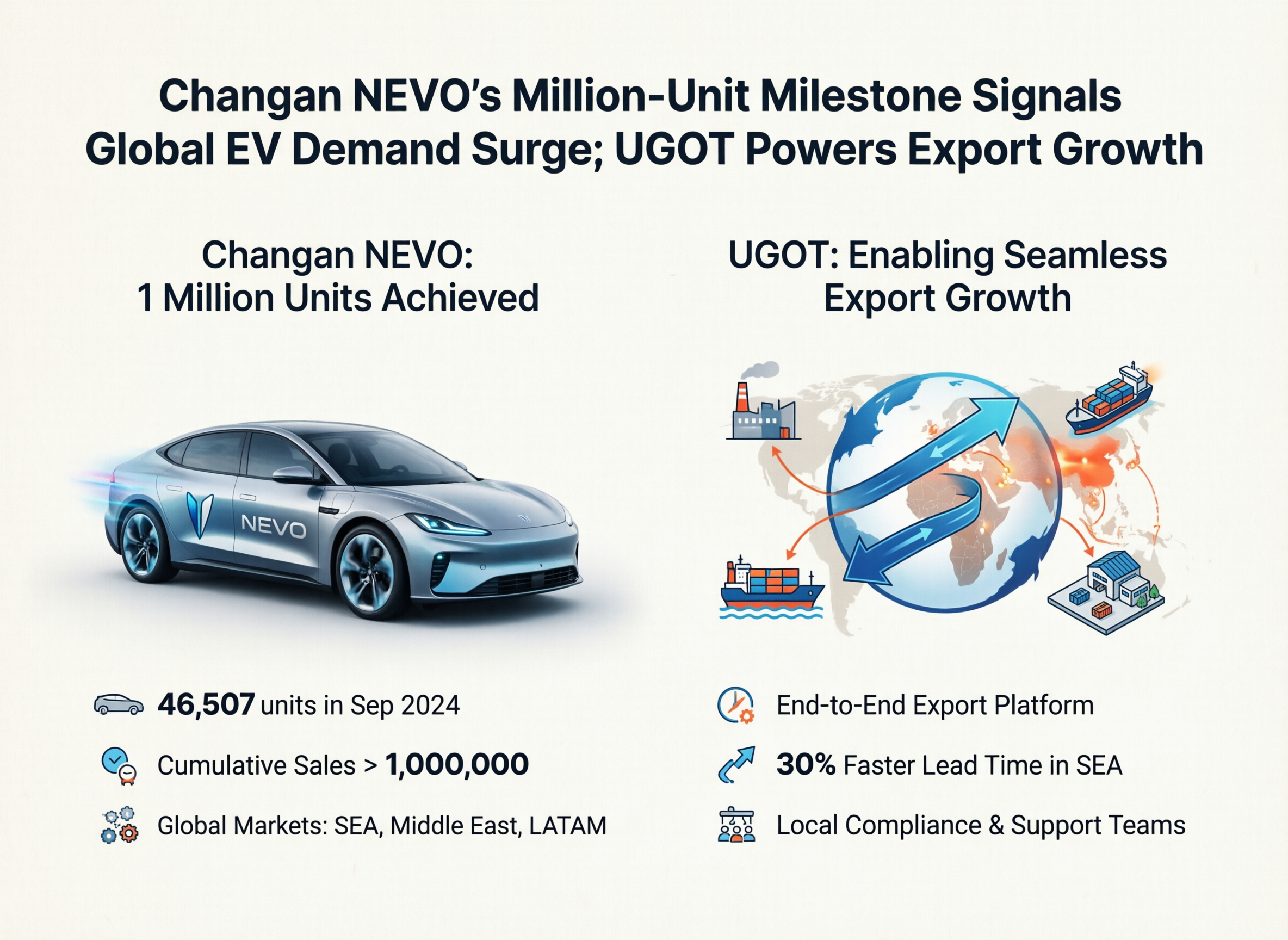 Changan NEVO’s Million-Unit Milestone Signals Global EV Demand Surge; UGOT Powers Export Growth
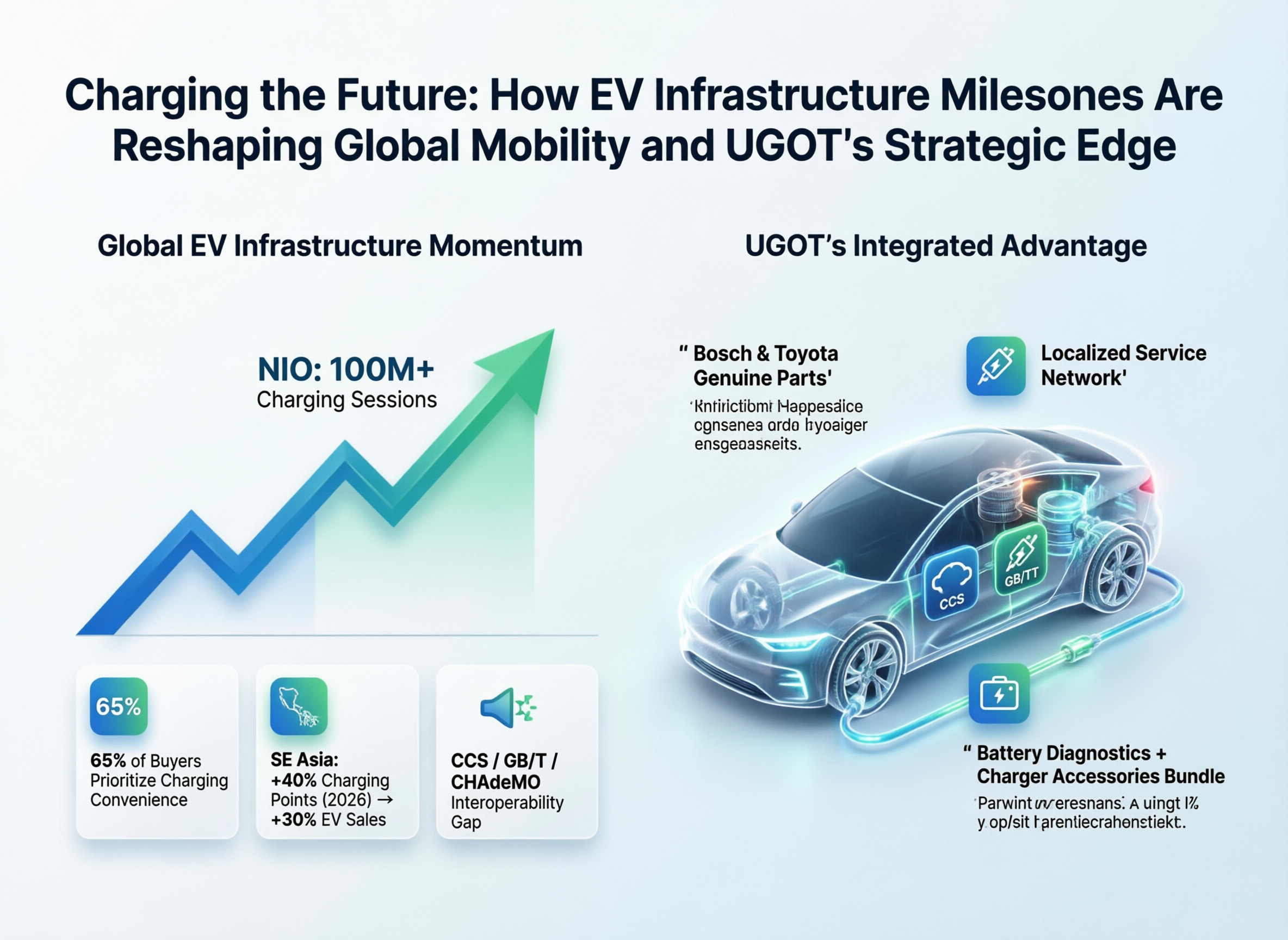 Charging the Future: How EV Infrastructure Milestones Are Reshaping Global Mobility and UGOT’s Strategic Edge