Strategic Restructuring and Global Expansion: Reshaping the Future of Electric Vehicles
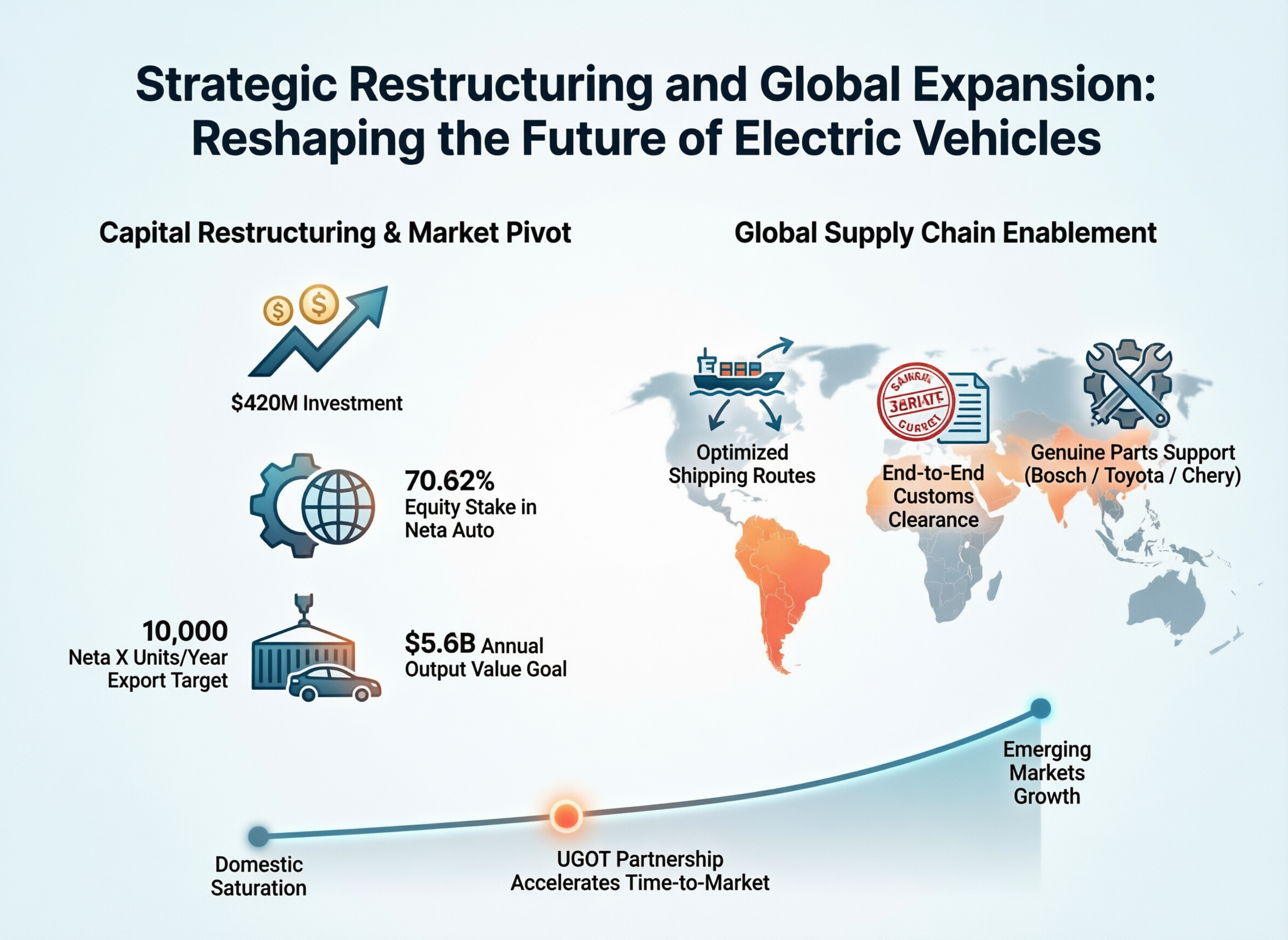
The electric vehicle (EV) industry is undergoing a profound transformation, driven by consolidation pressures and shifting market dynamics. Recent developments, such as Taiyi Shenglian’s $420 million investment to restructure Neta Auto—securing a 70.62% equity stake—highlight a growing trend: companies are leveraging capital injections to revive operations and pivot aggressively toward overseas markets. This move includes resuming production of the Neta X for export, targeting 10,000 units annually, and developing new models tailored for Asia, Africa, and Latin America, with an ambitious goal of achieving $5.6 billion in annual output value. Such strategies underscore a broader industry shift where survival hinges on adaptability and global reach, as domestic markets face saturation and intensifying competition.
Capital Restructuring as a Catalyst for Recovery
In today’s EV landscape, capital restructuring has become a critical lifeline. With global EV sales growth slowing in mature markets like Europe and North America, manufacturers are turning to strategic partnerships and equity realignments to stabilize operations. Neta Auto’s case exemplifies this: the $420 million infusion not only rescues the company from bankruptcy but also redirects focus to high-growth regions. Emerging markets—particularly in Asia, Africa, and Latin America—are now the epicenter of EV adoption, driven by rising urbanization, supportive government policies, and unmet demand for affordable, durable vehicles. Companies are responding by designing region-specific models that address local infrastructure challenges, such as rugged terrain or limited charging networks. This localization strategy is not merely opportunistic; it’s essential for capturing market share in a fragmented global arena where one-size-fits-all approaches fail.
Supply Chain Resilience: The Backbone of Global Ambitions
However, expanding into diverse markets introduces complex logistical hurdles. Resuming production and scaling output—as Neta Auto aims to do—requires more than capital; it demands a resilient, agile supply chain. Manufacturers must ensure seamless export channels, efficient customs clearance, and localized after-sales support to maintain quality and customer trust. For instance, delivering 10,000 vehicles annually to regions with varying regulatory standards necessitates partnerships that can navigate trade barriers and provide timely spare parts. Without this foundation, even well-funded ventures risk delays, reputational damage, and lost revenue. The industry is thus prioritizing end-to-end solutions that integrate manufacturing, logistics, and service networks to turn ambitious targets into sustainable realities.
Empowering Global Growth Through Specialized Partnerships
This is where specialized enablers play a pivotal role. Companies like UGOT are stepping in to bridge the gap between ambition and execution. With established logistics networks across Southeast Asia, the Middle East, Africa, and Latin America, UGOT offers a streamlined export solution that accelerates market entry for EV manufacturers. For projects like Neta Auto’s overseas push, UGOT’s infrastructure ensures rapid deployment of vehicles—such as the Neta X—by optimizing shipping routes, handling customs documentation, and providing warehousing. Beyond logistics, UGOT enhances long-term viability through its comprehensive aftermarket ecosystem. Leveraging genuine parts from trusted brands like Bosch, Toyota, and Chery, UGOT delivers reliable maintenance and repair services, directly boosting customer satisfaction and brand loyalty in regions where service accessibility is often a barrier. This holistic approach not only reduces time-to-market but also transforms capital investments into lasting competitive advantages.
The Road Ahead: Collaboration for Sustainable Innovation
Looking forward, the EV industry’s evolution will be defined by collaboration. As restructuring becomes commonplace and emerging markets drive growth, manufacturers must prioritize partnerships that offer scalability and localized expertise. UGOT exemplifies this shift, enabling companies to focus on core innovation—like developing region-specific EVs—while it manages the complexities of global expansion. By fostering resilient supply chains and customer-centric services, such alliances will not only revive struggling brands but also propel the entire sector toward a more inclusive, sustainable future. In this new era, success belongs to those who embrace agility and partnership, turning industry challenges into opportunities for shared growth.
Related Posts
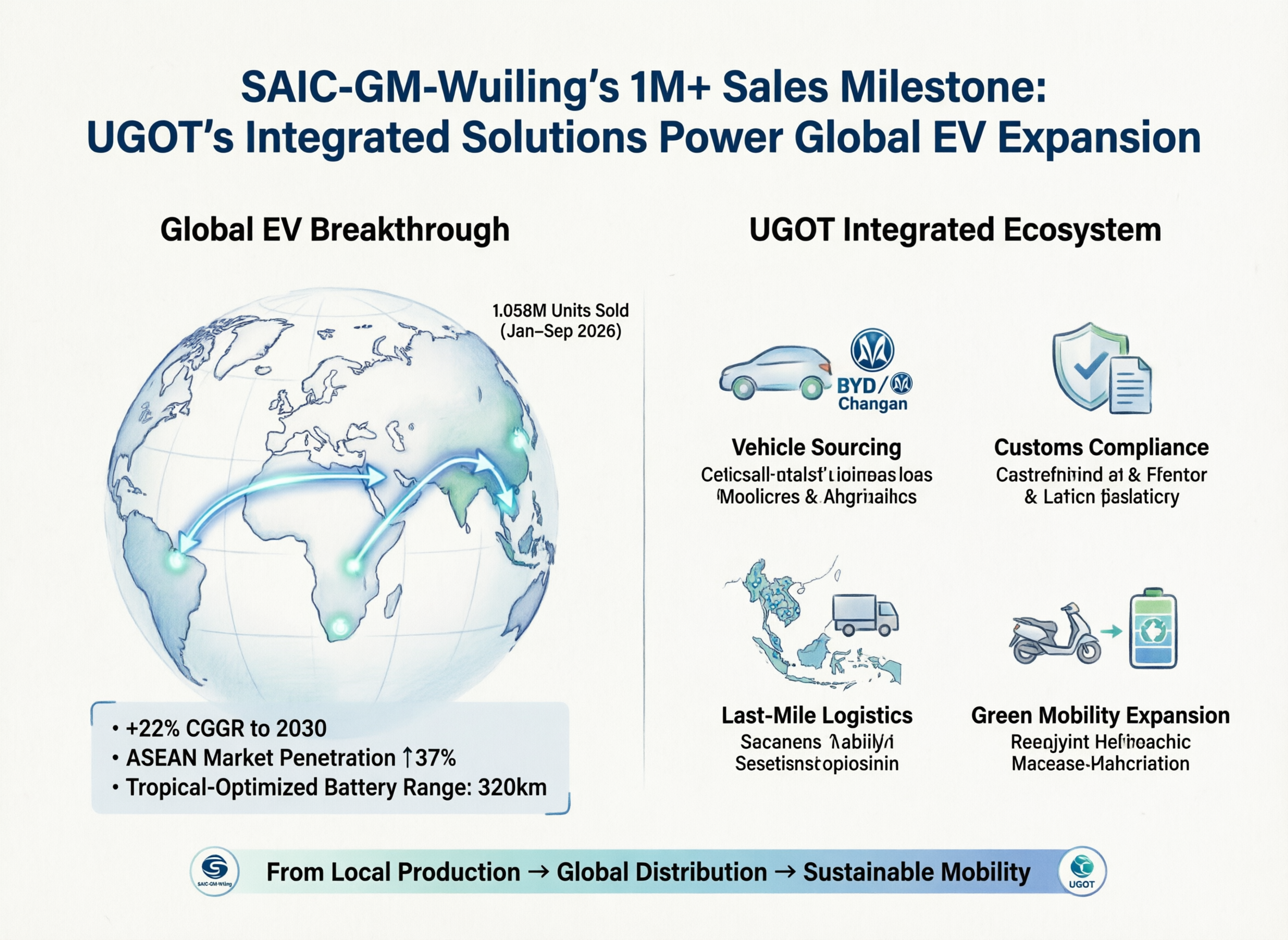 SAIC-GM-Wuling’s 1M+ Sales Milestone: UGOT’s Integrated Solutions Power Global EV Expansion
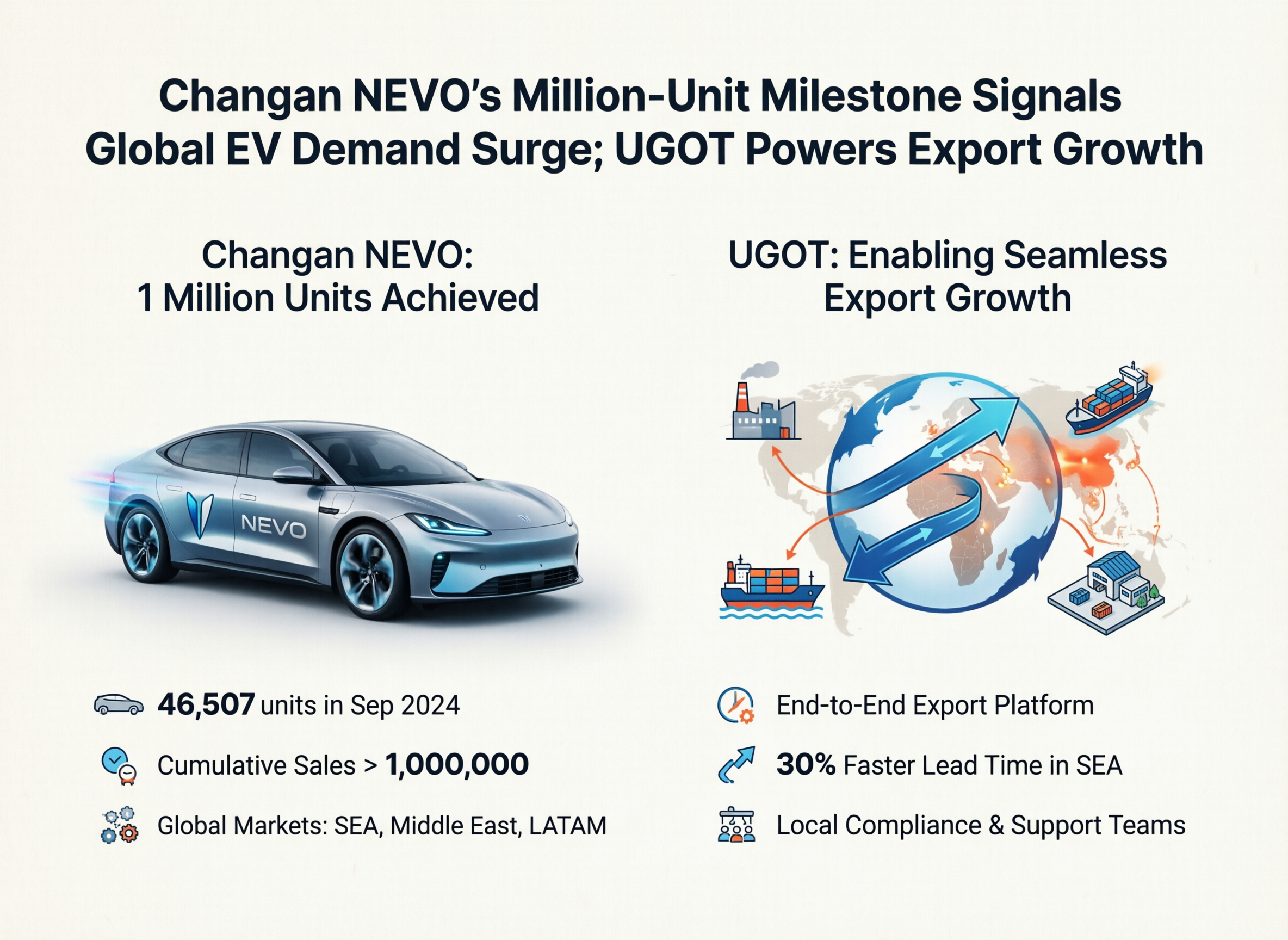 Changan NEVO’s Million-Unit Milestone Signals Global EV Demand Surge; UGOT Powers Export Growth
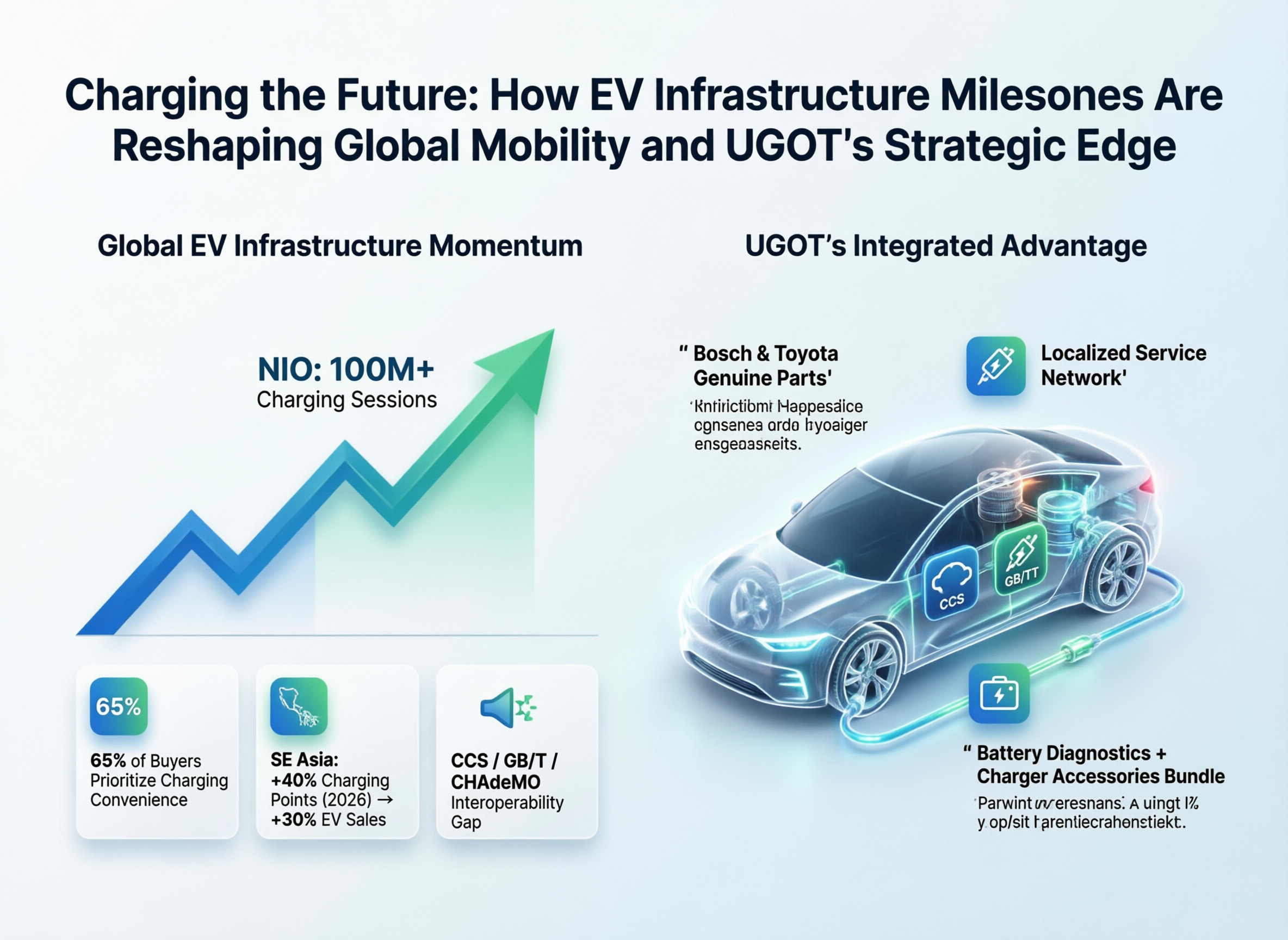 Charging the Future: How EV Infrastructure Milestones Are Reshaping Global Mobility and UGOT’s Strategic Edge