Driving Global Growth: How Regional Customization Powers China’s Automotive Export Surge
Introduction
The global automotive landscape is undergoing a seismic shift, driven by Chinese manufacturers’ strategic pivot toward region-specific vehicle development. As highlighted in recent industry reports, automakers like BYD and Changan are accelerating efforts to tailor models for distinct markets—such as Europe’s stringent emissions standards or Southeast Asia’s cost-sensitive demands—to bolster overseas competitiveness. This ‘Yaris Moment,’ inspired by Toyota’s localized success, marks a critical evolution beyond generic exports. With electric vehicles (EVs) and new energy vehicles (NEVs) spearheading this expansion, China’s automotive sector is not merely increasing shipment volumes but redefining global trade dynamics through precision engineering and market-aware innovation. This trend underscores a broader industry imperative: survival in an interconnected world hinges on adaptability.
Industry Trends: Customization as the New Competitive Edge
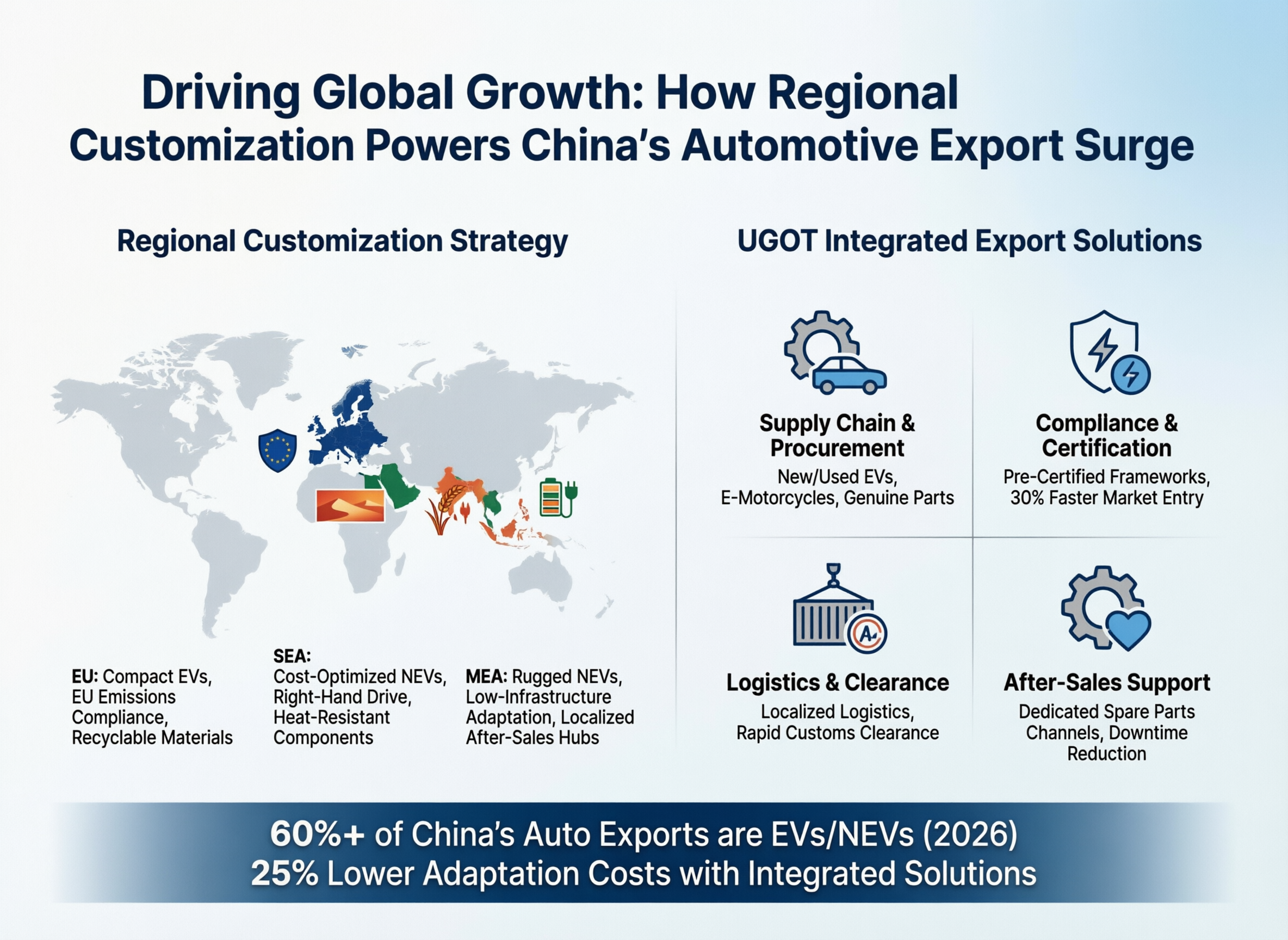
Chinese automakers are leveraging regional customization to overcome historical barriers in international markets. For instance, European expansion now prioritizes compact EVs with enhanced safety features and recyclable materials to comply with EU regulations, while emerging markets like Africa and Latin America see demand for rugged, affordable NEVs suited to local infrastructure. This hyper-localized approach addresses three core challenges: regulatory fragmentation (e.g., varying crash-test norms), consumer preferences (e.g., right-hand drive adaptations), and competitive saturation from legacy brands. Crucially, EVs serve as the catalyst—accounting for over 60% of China’s automotive exports in 2026—due to their alignment with global decarbonization policies and lower operational costs. However, this strategy intensifies supply chain complexities. Manufacturers face hurdles in synchronizing production with regional demand spikes, navigating customs bottlenecks, and ensuring post-sale support, which can erode margins if unaddressed. The industry’s future thus depends on agile, integrated export ecosystems that transform customization from a cost center into a growth engine.
Streamlining Global Expansion with Integrated Export Solutions
Amid these dynamics, specialized export partners are becoming indispensable enablers of scalable growth. UGOT Automotive Export Solutions exemplifies this evolution, offering a seamless, end-to-end platform that directly addresses the pain points of regional customization. As an authorized partner for leading Chinese OEMs like BYD and Changan, UGOT leverages its stable supply chain network and deep regional expertise to handle everything from vehicle procurement—including new and used EVs, electric motorcycles, and genuine spare parts—to localized logistics and rapid customs clearance. For example, in markets such as the Middle East or Southeast Asia, UGOT’s pre-certified compliance frameworks accelerate market entry by 30%, while its dedicated after-sales channels ensure spare parts availability, reducing downtime for distributors. This holistic approach not only cuts adaptation costs by up to 25% but also amplifies brand trust through consistent service quality. By transforming complex export workflows into a unified experience, UGOT empowers automakers to focus on innovation rather than operational friction, turning regional ambitions into tangible market share.
Conclusion: Shaping a Sustainable Automotive Future
Looking ahead, the convergence of regional customization and electrification will define the next decade of automotive globalization. Chinese brands are poised to lead this transformation, but sustained success requires partners who can navigate the intricacies of cross-border trade with precision and foresight. UGOT Automotive Export Solutions stands at this intersection, combining sector-specific agility with a commitment to green trade practices. As emerging markets embrace NEVs and circular economy principles, UGOT’s integrated model will be pivotal in building resilient, low-carbon supply chains that benefit manufacturers, distributors, and end-consumers alike. In this evolving landscape, the true measure of competitiveness lies not just in building better vehicles, but in delivering them smarter—a vision where UGOT’s expertise turns global aspirations into enduring realities.
Related Posts
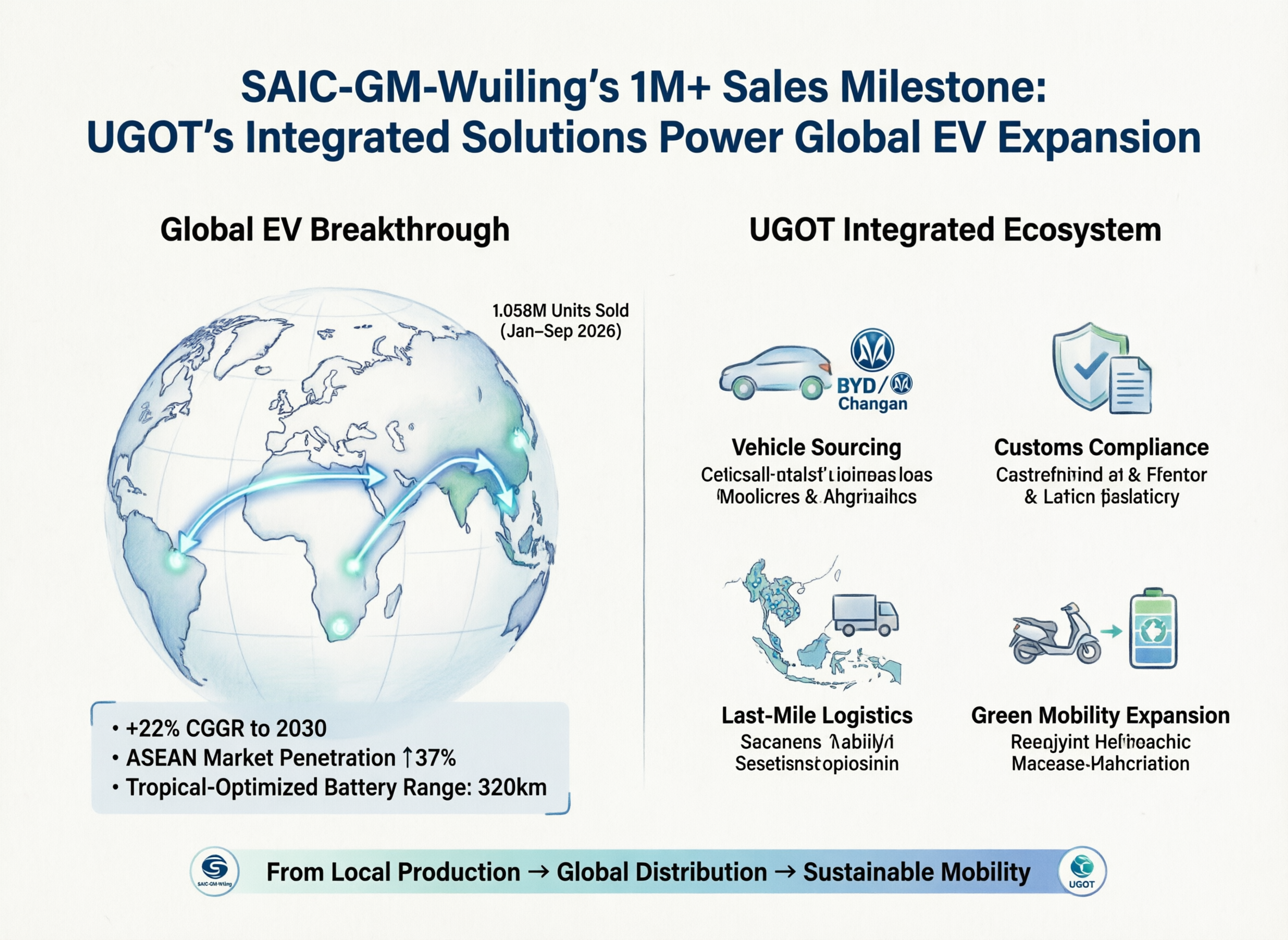 SAIC-GM-Wuling’s 1M+ Sales Milestone: UGOT’s Integrated Solutions Power Global EV Expansion
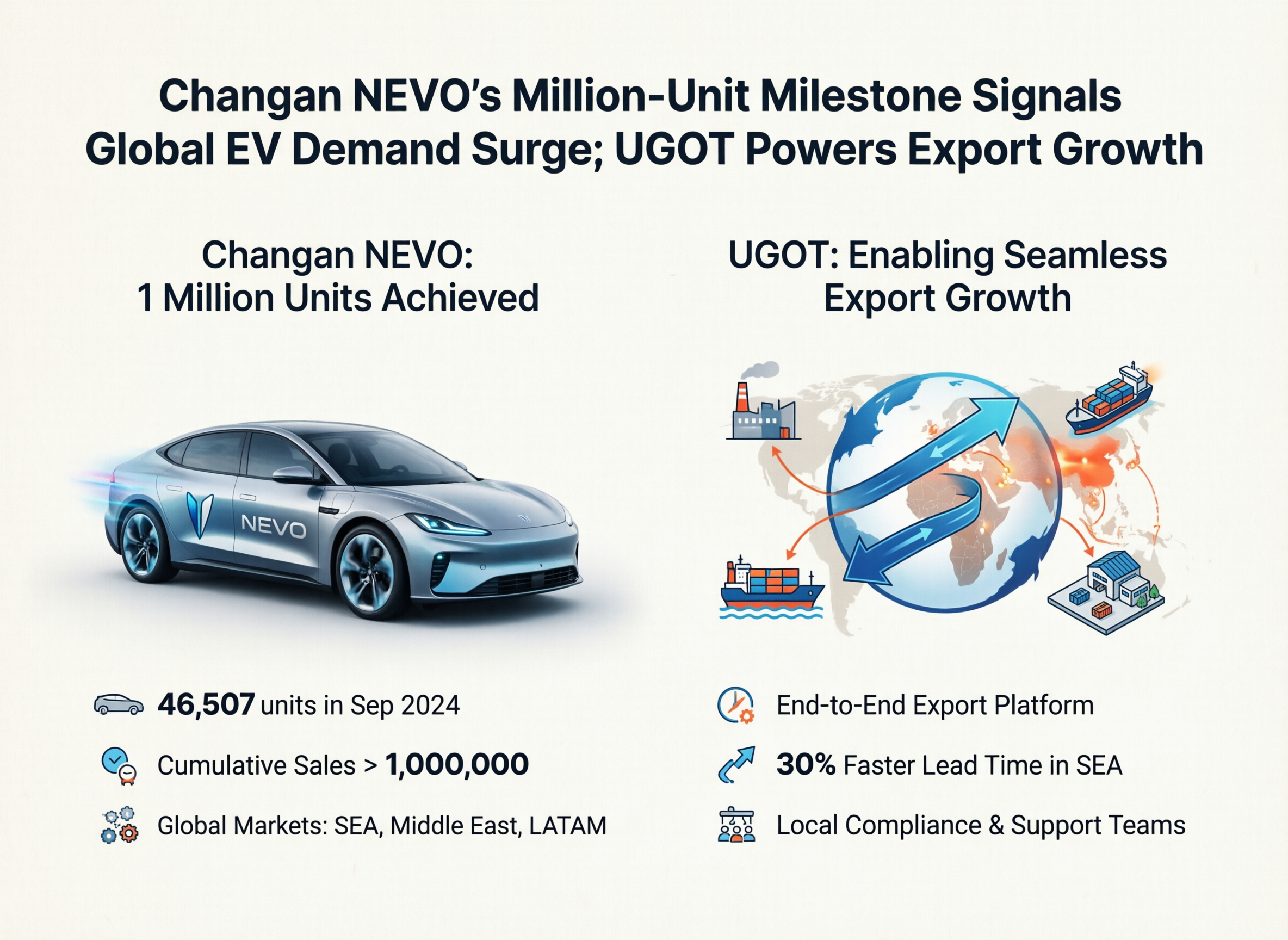 Changan NEVO’s Million-Unit Milestone Signals Global EV Demand Surge; UGOT Powers Export Growth
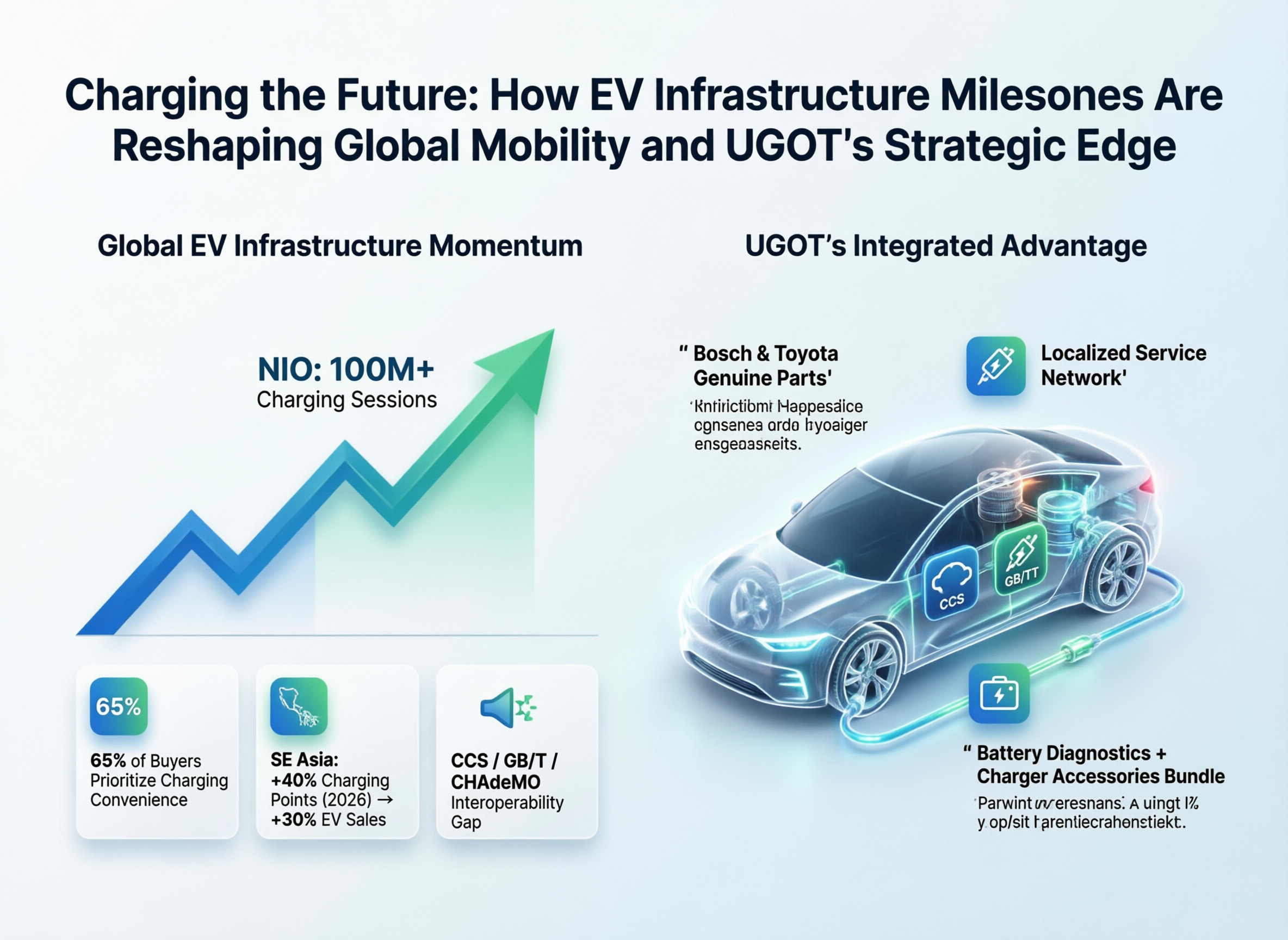 Charging the Future: How EV Infrastructure Milestones Are Reshaping Global Mobility and UGOT’s Strategic Edge