
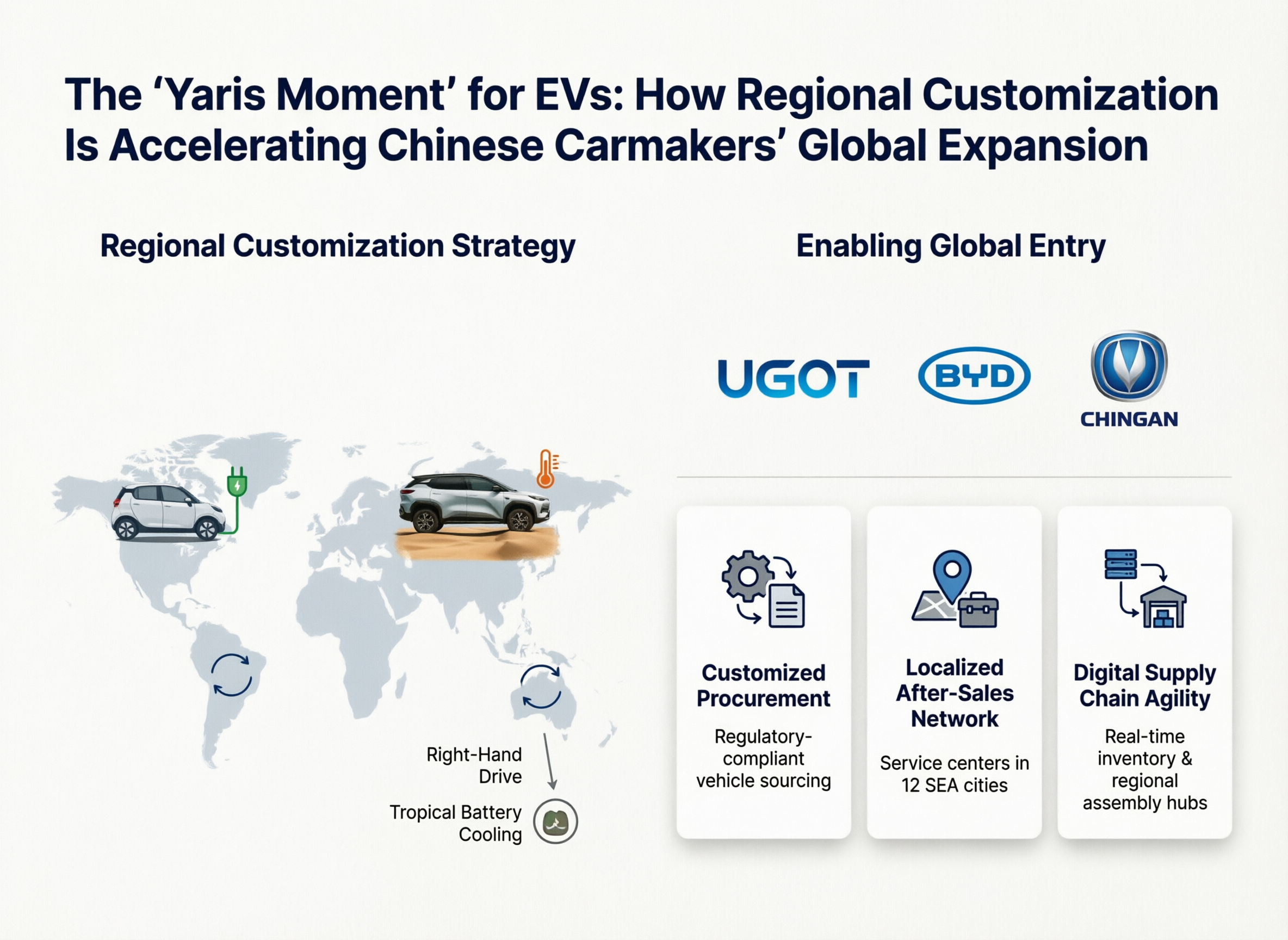
The ‘Yaris Moment’ for EVs: How Regional Customization Is Accelerating Chinese Carmakers’ Global Expansion
Introduction
The global automotive landscape is undergoing a transformative shift as Chinese carmakers embrace region-specific vehicle development to amplify their international competitiveness. By designing models tailored to local preferences—such as compact electric vehicles for Southeast Asia’s dense urban corridors or rugged EVs for the Middle East’s challenging terrains—these manufacturers are significantly boosting market penetration and brand influence. This strategic approach, often likened to Toyota’s iconic ‘Yaris Moment’ of the early 2000s, highlights a pivotal industry evolution where localized innovation becomes the cornerstone of global growth, particularly in the rapidly expanding electric vehicle (EV) sector.
Industry Trends and Strategic Insights
Three interconnected trends are driving this globalization wave. First, hyper-localized product design is emerging as a critical differentiator. Chinese automakers invest heavily in R&D to address regional nuances, such as enhanced battery cooling for tropical climates or modular interiors for family-centric markets. This precision not only meets consumer expectations but also builds trust, accelerating adoption rates in diverse regions like Latin America and Africa. Second, electric vehicles serve as the primary catalyst for overseas expansion. Leveraging advancements in battery technology and cost-efficient manufacturing, Chinese brands offer compelling EV propositions that align with global decarbonization goals. Local adaptations—such as right-hand drive configurations or region-specific charging solutions—further strengthen brand resonance and market share. Third, supply chain agility underpins sustainable growth. Leading companies optimize logistics through digitalized inventory systems and regional assembly hubs, ensuring rapid response to demand fluctuations. This operational resilience allows for timely delivery of customized models, turning strategic vision into tangible market presence while mitigating risks from geopolitical or economic volatility.
Enabling Seamless Global Market Entry
Amidst this dynamic environment, specialized export partners play a crucial role in bridging the gap between innovation and market readiness. UGOT, an authorized exporter for industry pioneers like BYD and Changan, exemplifies this synergy by providing a comprehensive one-stop solution for regional expansion. UGOT’s expertise spans customized vehicle procurement—ensuring models comply with local regulations and consumer needs—coupled with a robust, end-to-end supply chain that guarantees stability and speed. For instance, in Southeast Asia, where short-distance mobility dominates, UGOT curates high-adaptability portfolios featuring electric scooters and compact EVs, supported by localized after-sales networks. This holistic approach minimizes entry barriers, reduces time-to-market, and empowers Chinese brands to focus on core innovation while navigating complex global logistics.
Conclusion
The future of automotive globalization is undeniably electric, regionally nuanced, and partnership-driven. Chinese carmakers, armed with cutting-edge technology and localized strategies, are poised to redefine mobility standards worldwide. Companies like UGOT will remain instrumental in this journey, offering the infrastructure and expertise to transform ambitious expansion plans into sustainable success. By prioritizing adaptability and customer-centric solutions, such collaborations not only accelerate current growth but also lay the foundation for a more connected and innovative EV ecosystem, where regional customization fuels global leadership.
Related Posts
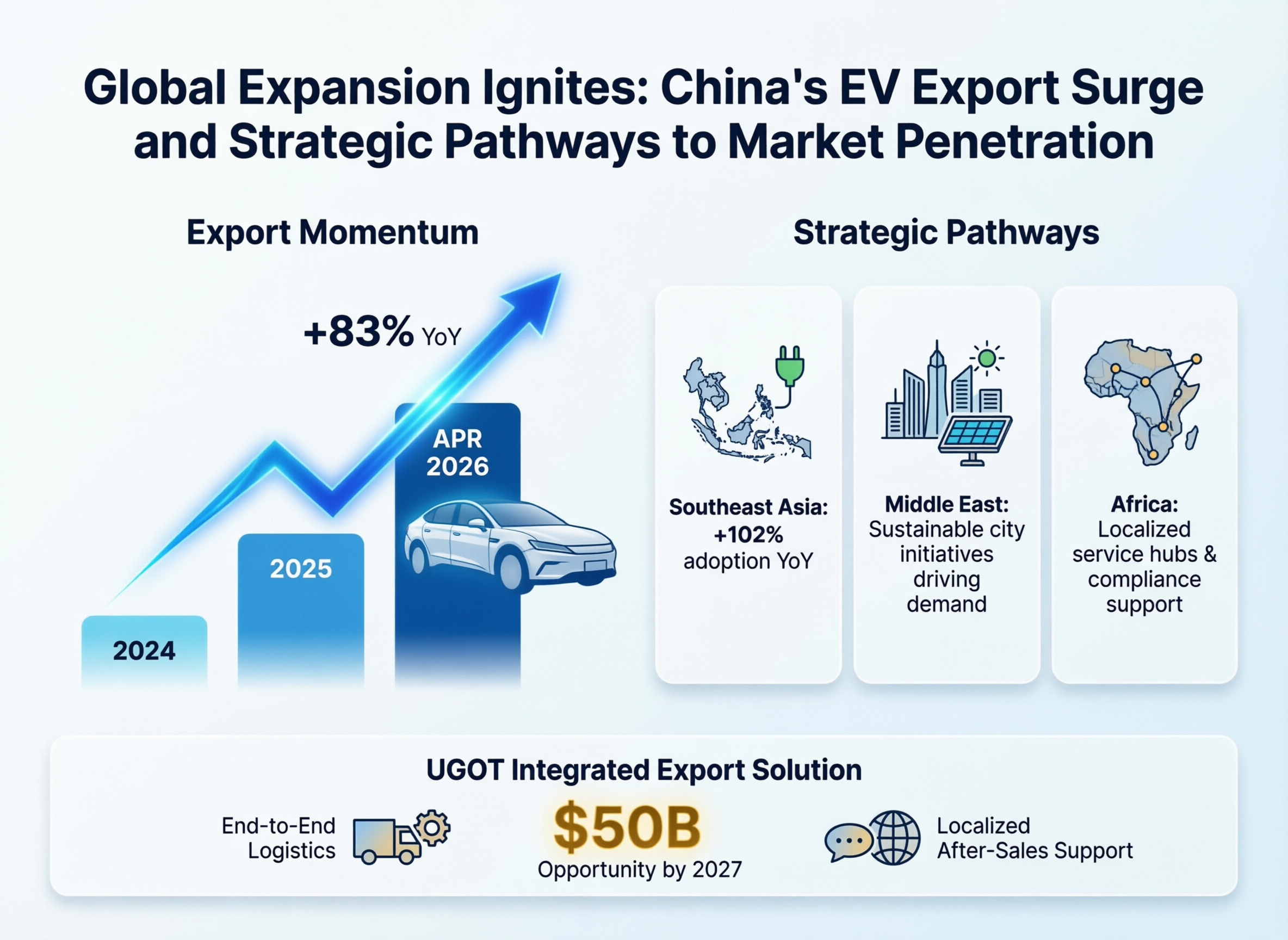 Global Expansion Ignites: China’s EV Export Surge and Strategic Pathways to Market Penetration
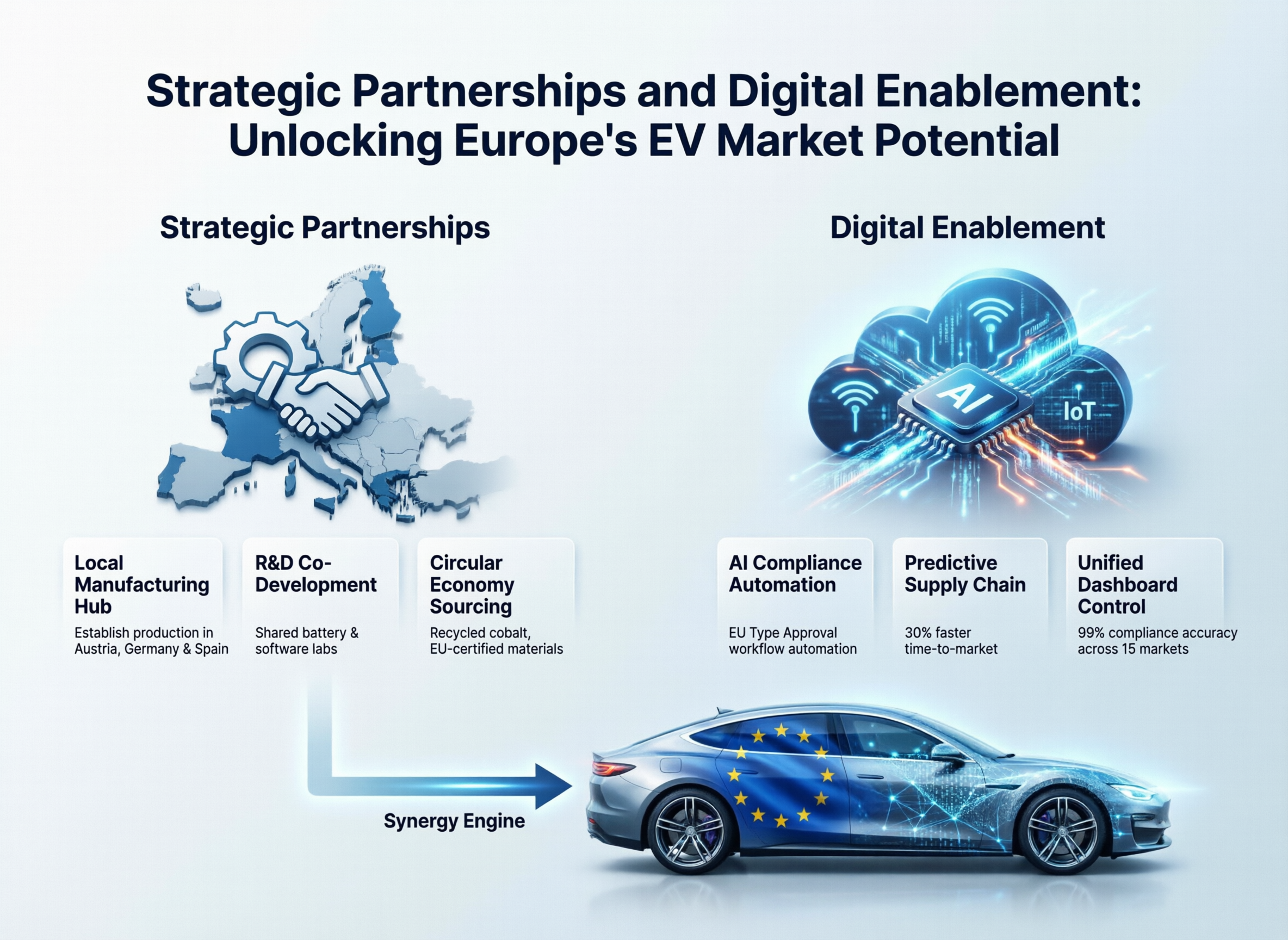 Strategic Partnerships and Digital Enablement: Unlocking Europe’s EV Market Potential